What does Deuteronomy 5:3 mean?
"The LORD made not this covenant with our fathers, but with us, even us, who are all of us here alive this day." - Deuteronomy 5:3
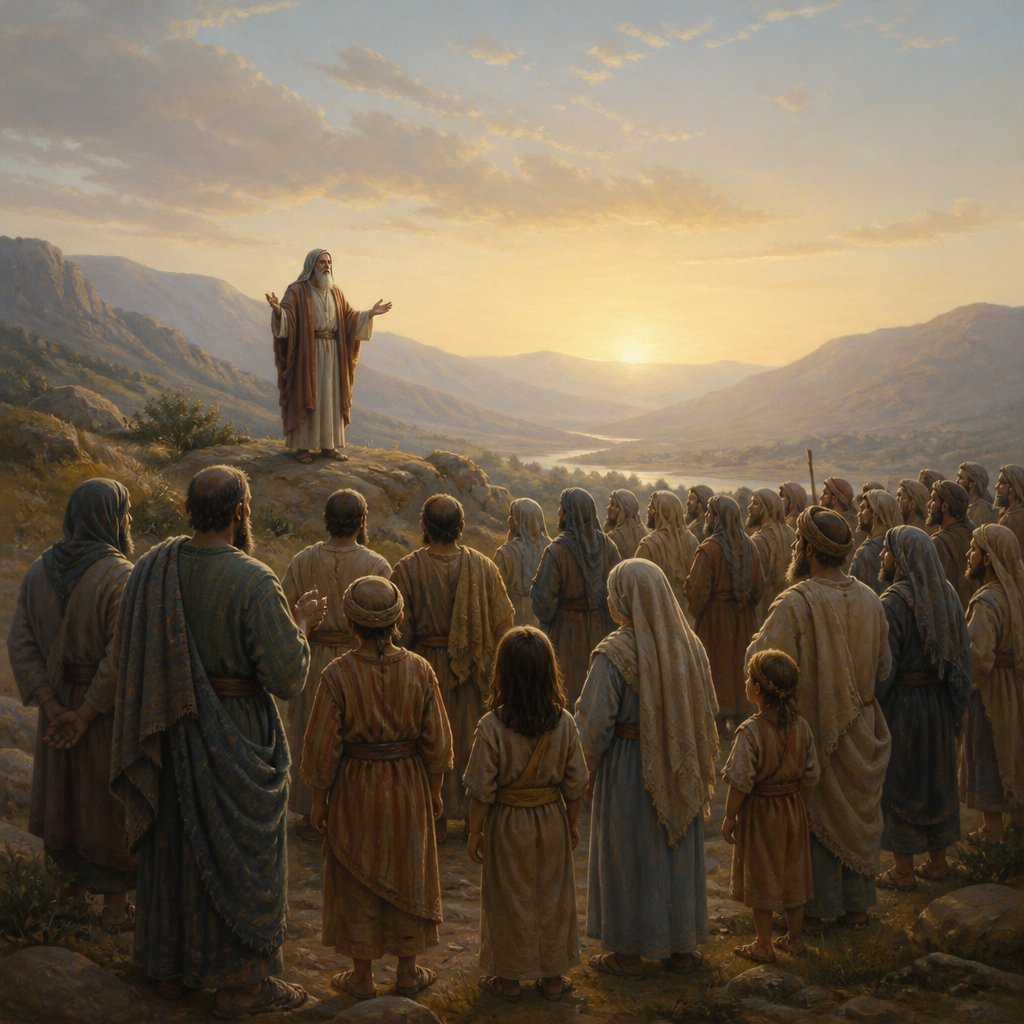
Deuteronomy 5:3 (KJV) states, "The Lord made not this covenant with our fathers, but with us, even us, who are all of us here alive this day."
The book of Deuteronomy, from which this verse is taken, is the fifth book of the Bible and is part of the Pentateuch, the first five books of the Hebrew Bible. It is attributed to Moses and is essentially a series of speeches delivered by him to the Israelites as they prepare to enter the Promised Land. In this particular verse, Moses is reminding the Israelites of the covenant that God made with them at Mount Sinai, reaffirming their relationship with God and their responsibilities as His chosen people.
The covenant that is being referred to here is the Mosaic Covenant, which is a central theme throughout the book of Deuteronomy. This covenant was established when God gave the Ten Commandments to the Israelites, and it outlined the terms of their relationship with God. The covenant was not only a legal agreement but also a relational one, reflecting the loving and faithful nature of God and his commitment to his people.
The verse emphasizes the exclusivity of the covenant, stating that it was not made with their forefathers, but with the generation standing before Moses at that moment. This serves as a reminder to the Israelites that they are the chosen people of God, and that they have a unique and special relationship with Him. It also highlights the continuity of the covenant through the passing of generations, as it was not just an agreement made with their ancestors, but with them as well.
The verse also emphasizes the importance of being present and alive in the moment. The fact that all of them are present and alive at that moment serves as a powerful reminder of God's faithfulness and their responsibility to honor the covenant. It is a call for the Israelites to be mindful of their relationship with God and to actively participate in it, rather than simply relying on the past or future generations to fulfill its obligations.
In a broader context, this verse also serves to remind us of the importance of our own personal relationship with God. It emphasizes the idea that our faith is not simply a product of our ancestors' experiences or beliefs, but something that we must actively participate in and live out in our own lives. It is a reminder that each generation is called to respond to God's covenant in their own way, and that faith is not something that can be inherited or passed down, but must be cultivated and embraced individually.
The symbolism in this verse lies in the covenant itself, which is a powerful symbol of the relationship between God and His people. It represents the promises, obligations, and responsibilities that come with being chosen and set apart by God. The covenant serves as a symbol of God's faithfulness, love, and grace, as well as the commitment and obedience required from His people. It also symbolizes the continuity of God's relationship with His people throughout the generations, demonstrating His unchanging nature and enduring presence.
In conclusion, Deuteronomy 5:3 is a verse that emphasizes the exclusive and ongoing nature of the covenant between God and His people. It reminds us of the importance of actively participating in our relationship with God, and of being mindful of our responsibilities as His chosen people. It serves as a powerful symbol of God's faithfulness and love, as well as the continuity of His relationship with His people throughout the generations. This verse continues to be a source of inspiration and guidance for believers, reminding us of the enduring nature of God's covenant and our role in honoring it.
Have questions about Deuteronomy 5:3?
Dive deeper into this scripture with Bible Chat — an AI-powered tool for exploring God's Word through conversation. Ask questions, get context, and grow in your understanding of the Bible.
Get Our Apps


Deuteronomy 5:3 Artwork

Deuteronomy 5:3 - "The LORD made not this covenant with our fathers, but with us, even us, who are all of us here alive this day."
"The LORD made not this covenant with our fathers, but with us, even us, who are all of us here alive this day." - Deuteronomy 5:3

Deuteronomy 3:5 - "All these cities were fenced with high walls, gates, and bars; beside unwalled towns a great many."

Deuteronomy 5:2-3 - "The Lord our God made a covenant with us in Horeb. The Lord did not make this covenant with our fathers, but with us, those who are here today, all of us who are alive."
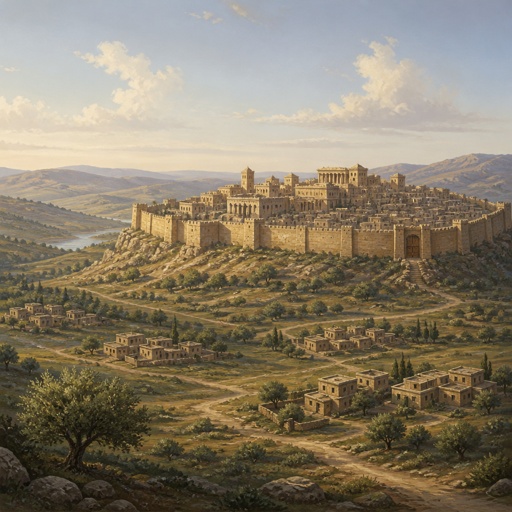
"All these cities were fenced with high walls, gates, and bars; beside unwalled towns a great many." - Deuteronomy 3:5

Deuteronomy 5:17 - "Thou shalt not kill."

Deuteronomy 34:5-6

Deuteronomy 5:19 - "Neither shalt thou steal."

Deuteronomy 5:18 - "Neither shalt thou commit adultery."

Deuteronomy 28:5 - "Blessed shall be thy basket and thy store."

Deuteronomy 5:2 - "The LORD our God made a covenant with us in Horeb."

Deuteronomy 3:15 - "And I gave Gilead unto Machir."

Deuteronomy 3:23 - "And I besought the LORD at that time, saying,"

Deuteronomy 5:30 - "Go say to them, Get you into your tents again."

Deuteronomy 14:3 - "¶ Thou shalt not eat any abominable thing."

"Thou shalt not kill." - Deuteronomy 5:17

Deuteronomy 5:7 - "Thou shalt have none other gods before me."

Deuteronomy 5:13 - "Six days thou shalt labour, and do all thy work:"

Deuteronomy 1:5 - "On this side Jordan, in the land of Moab, began Moses to declare this law, saying,"

Deuteronomy 5:5 - "(I stood between the LORD and you at that time, to shew you the word of the LORD: for ye were afraid by reason of the fire, and went not up into the mount;) saying,"

Deuteronomy 5:20 - "Neither shalt thou bear false witness against thy neighbour."

Deuteronomy 5:4 - "The LORD talked with you face to face in the mount out of the midst of the fire,"

Deuteronomy 32:5 - "They have corrupted themselves, their spot is not the spot of his children: they are a perverse and crooked generation."

Deuteronomy 14:5 - "The hart, and the roebuck, and the fallow deer, and the wild goat, and the pygarg, and the wild ox, and the chamois."

Deuteronomy 5:10 - "And shewing mercy unto thousands of them that love me and keep my commandments."

Deuteronomy 5:12 - "Keep the sabbath day to sanctify it, as the LORD thy God hath commanded thee."

Deuteronomy 3:29 - "So we abode in the valley over against Beth-peor."

Deuteronomy 3:7 - "But all the cattle, and the spoil of the cities, we took for a prey to ourselves."

Deuteronomy 28:3 - "Blessed shalt thou be in the city, and blessed shalt thou be in the field."

Deuteronomy 3:9 - "(Which Hermon the Sidonians call Sirion; and the Amorites call it Shenir;)"