What does Deuteronomy 5:25 mean?
"Now therefore why should we die? for this great fire will consume us: if we hear the voice of the LORD our God any more, then we shall die." - Deuteronomy 5:25
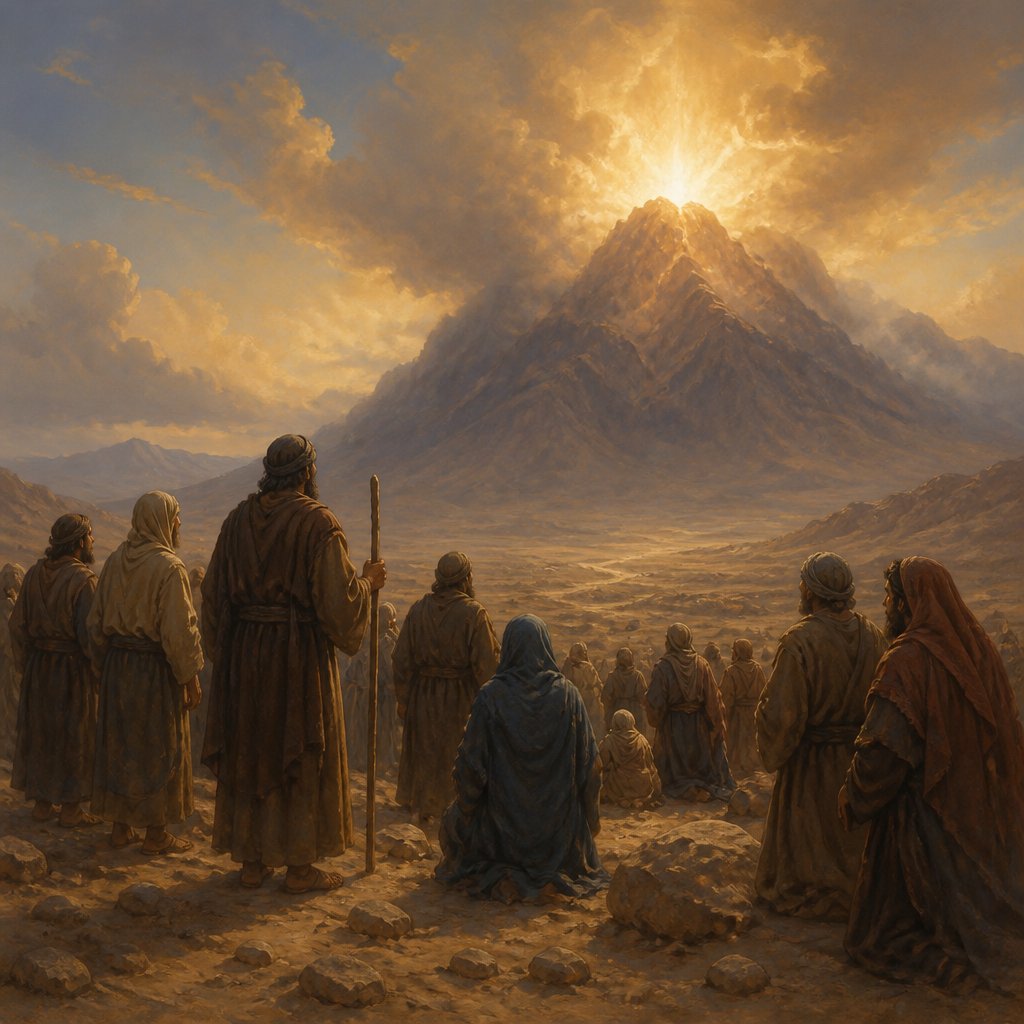
Deuteronomy 5:25 (KJV) states, "Now therefore why should we die? for this great fire will consume us: if we hear the voice of the Lord our God any more, then we shall die."
This verse comes from the fifth chapter of the Book of Deuteronomy, which is the fifth book of the Hebrew Bible and the Old Testament. It is a part of Moses' retelling of the events that took place during the Israelites' time in the wilderness before entering the Promised Land. In this particular verse, the Israelites are expressing fear and awe at the power of God, as they were overwhelmed by the manifestation of His presence in the form of a great fire.
In order to fully understand the meaning and significance of this verse, it is crucial to explore the context in which it is situated. The Book of Deuteronomy is essentially a collection of speeches given by Moses to the Israelites before they enter the Promised Land. These speeches serve as a reminder of God's laws and instructions, as well as a call to faithfulness and obedience. In this specific chapter, Moses reiterates the Ten Commandments and recounts the events that took place at Mount Sinai, where the Israelites experienced the awe-inspiring presence of God and received the commandments.
The verse reflects the deep reverence and fear that the Israelites had for the Lord. They were in awe of God's power and recognized their own unworthiness in His presence. The great fire mentioned in the verse serves as a tangible manifestation of God's power and holiness, and the Israelites are overwhelmed by it.
The phrase "if we hear the voice of the Lord our God any more, then we shall die" further emphasizes their fear of the consequences of being in the presence of God. The Israelites understood the holiness of God and believed that they were unworthy to hear His voice directly, for they feared that it would result in their death.
In terms of symbolism, the fire mentioned in the verse represents the divine presence of God. Throughout the Bible, fire is often used as a symbol of God's holiness, purification, and judgment. In this context, the great fire serves as a physical representation of the transcendence and awe-inspiring nature of God's presence.
The themes present in this verse include the holiness and power of God, the fear and reverence of the Israelites, and the need for obedience and faithfulness. The Israelites' response to the manifestation of God's presence highlights the importance of recognizing and honoring the holiness of God. It also underscores the human inclination to fear and revere the divine, acknowledging their own limitations in the presence of God's glory.
In conclusion, Deuteronomy 5:25 (KJV) offers a profound insight into the nature of God's holiness and the Israelites' response to it. It serves as a reminder of the reverence and fear that should accompany the recognition of God's transcendent nature. The verse also emphasizes the need for obedience and faithfulness in the face of God's power and holiness. Overall, this passage serves as a testament to the awe-inspiring presence of God and the proper response of humility and obedience before Him.
Have questions about Deuteronomy 5:25?
Dive deeper into this scripture with Bible Chat — an AI-powered tool for exploring God's Word through conversation. Ask questions, get context, and grow in your understanding of the Bible.
Get Our Apps


Deuteronomy 5:25 Artwork

Deuteronomy 5:25 - "Now therefore why should we die? for this great fire will consume us: if we hear the voice of the LORD our God any more, then we shall die."
"Now therefore why should we die? for this great fire will consume us: if we hear the voice of the LORD our God any more, then we shall die." - Deuteronomy 5:25

Deuteronomy 25:5 - "¶ If brethren dwell together, and one of them die, and have no child, the wife of the dead shall not marry without unto a stranger: her husband's brother shall go in unto her, and take her to him to wife, and perform the duty of an husband's brother unto her."

Deuteronomy 25:13 - "¶ Thou shalt not have in thy bag divers weights, a great and a small."

Deuteronomy 25:4 - "¶ Thou shalt not muzzle the ox when he treadeth out the corn."

Deuteronomy 31:25 - "That Moses commanded the Levites, which bare the ark of the covenant of the LORD, saying,"

Deuteronomy 25:14 - "Thou shalt not have in thine house divers measures, a great and a small."

Deuteronomy 33:25 - "Thy shoes shall be iron and brass; and as thy days, so shall thy strength be."

Deuteronomy 25:10 - "And his name shall be called in Israel, The house of him that hath his shoe loosed."

Deuteronomy 25:16 - "For all that do such things, and all that do unrighteously, are an abomination unto the LORD thy God."

Deuteronomy 5:17 - "Thou shalt not kill."

Deuteronomy 27:25 - "Cursed be he that taketh reward to slay an innocent person. And all the people shall say, Amen."

Genesis 25:5

Deuteronomy 34:5-6

Deuteronomy 5:19 - "Neither shalt thou steal."

Deuteronomy 5:18 - "Neither shalt thou commit adultery."

Deuteronomy 25:17 - "¶ Remember what Amalek did unto thee by the way, when ye were come forth out of Egypt;"

Deuteronomy 28:5 - "Blessed shall be thy basket and thy store."

Deuteronomy 3:25 - "I pray thee, let me go over, and see the good land that is beyond Jordan, that goodly mountain, and Lebanon."

Deuteronomy 25:1 - "If there be a controversy between men, and they come unto judgment, that the judges may judge them; then they shall justify the righteous, and condemn the wicked."

Deuteronomy 32:25 - "The sword without, and terror within, shall destroy both the young man and the virgin, the suckling also with the man of gray hairs."

Deuteronomy 5:2 - "The LORD our God made a covenant with us in Horeb."

1 Thessalonians 5:25 - "Brethren, pray for us."

Deuteronomy 25:8 - "Then the elders of his city shall call him, and speak unto him: and if he stand to it, and say, I like not to take her;"

Deuteronomy 22:25 - "¶ But if a man find a betrothed damsel in the field, and the man force her, and lie with her: then the man only that lay with her shall die:"

Deuteronomy 6:25 - "And it shall be our righteousness, if we observe to do all these commandments before the LORD our God, as he hath commanded us."

Deuteronomy 5:30 - "Go say to them, Get you into your tents again."

Deuteronomy 25:6 - "And it shall be, that the firstborn which she beareth shall succeed in the name of his brother which is dead, that his name be not put out of Israel."

"Thou shalt not kill." - Deuteronomy 5:17

Deuteronomy 5:7 - "Thou shalt have none other gods before me."