What does Deuteronomy 4:48 mean?
"From Aroer, which is by the bank of the river Arnon, even unto mount Sion, which is Hermon," - Deuteronomy 4:48
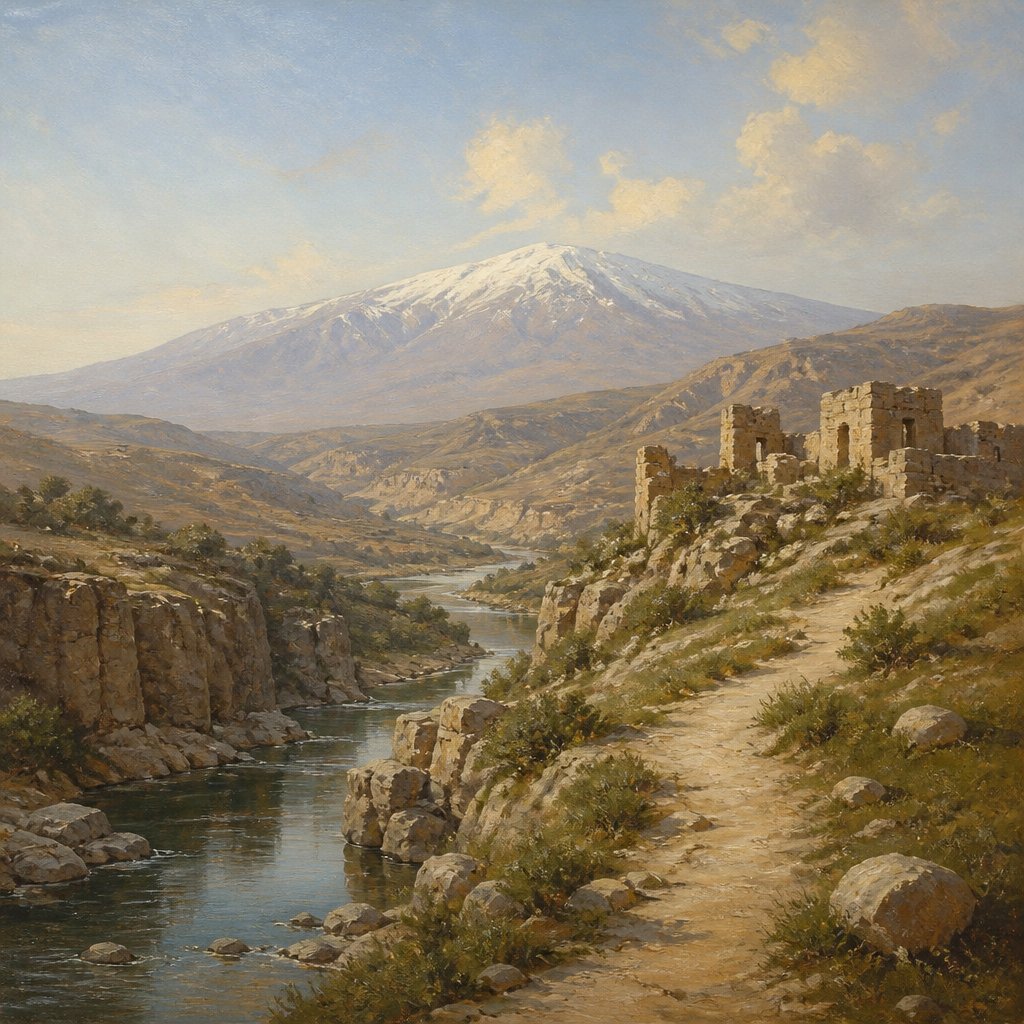
Deuteronomy 4:48 states: "From Aroer, which is by the bank of the river Arnon, even unto mount Sion, which is Hermon."
This verse is a part of the Old Testament, specifically the Book of Deuteronomy, which is attributed to Moses. The book is structured as a series of speeches given by Moses to the Israelites before they enter the Promised Land. In these speeches, Moses reminds the Israelites of God's faithfulness and reiterates the laws and commandments that they are to follow.
The verse itself describes the boundaries of the land that was conquered by the Israelites. Aroer is a city situated near the river Arnon, and Mount Sion is also known as Mount Hermon. These geographical references establish the extent of the territory that the Israelites were given by God.
One of the key themes in this verse is the faithfulness of God in fulfilling his promises. Throughout the Old Testament, we see God's covenant with the Israelites and his commitment to providing them with a land of their own. This verse serves as a reminder of God's faithfulness in bringing the Israelites into the land that he had promised to them. It reinforces the idea that God is a faithful and trustworthy deity who keeps his word.
Another important theme in this verse is the concept of inheritance. The land that the Israelites were given was not simply a piece of property; it was a divine inheritance. The Israelites were the chosen people of God, and he had promised them a land flowing with milk and honey. This verse establishes the boundaries of that inheritance and solidifies the Israelites' claim to the land.
In a broader sense, this verse also symbolizes the fulfillment of God's promises. The conquest of the land of Canaan was a pivotal moment in the history of the Israelite people. It marked the culmination of years of wandering in the wilderness and the beginning of a new era in their history. The boundaries described in this verse represent the tangible manifestation of God's promises and the fulfillment of his plan for the Israelites.
The context of this verse is also important for understanding its significance. In the preceding chapters of Deuteronomy, Moses has been recounting the story of the Israelites' exodus from Egypt and their journey through the wilderness. He reminds the people of the miracles that God performed on their behalf and the ways in which he provided for them during their time in the wilderness. The establishment of the boundaries of the Promised Land serves as a culmination of this history, as it represents the final stage of God's plan for his people.
In conclusion, Deuteronomy 4:48 is a verse that speaks to the faithfulness of God, the concept of inheritance, and the fulfillment of promises. It serves as a reminder of God's commitment to his people and his ability to bring about the fulfillment of his plans. In the broader context of the Old Testament, this verse symbolizes the culmination of the Israelites' journey and the beginning of a new chapter in their history. It reinforces the idea that God is faithful and trustworthy, and that he will always fulfill his promises to his people.
Have questions about Deuteronomy 4:48?
Dive deeper into this scripture with Bible Chat — an AI-powered tool for exploring God's Word through conversation. Ask questions, get context, and grow in your understanding of the Bible.
Get Our Apps


Deuteronomy 4:48 Artwork

Deuteronomy 4:48 - "From Aroer, which is by the bank of the river Arnon, even unto mount Sion, which is Hermon,"
"From Aroer, which is by the bank of the river Arnon, even unto mount Sion, which is Hermon," - Deuteronomy 4:48

Deuteronomy 32:48 - "And the LORD spake unto Moses that selfsame day, saying,"

Deuteronomy 4:8 - "And what nation is there so great, that hath statutes and judgments so righteous as all this law, which I set before you this day?"
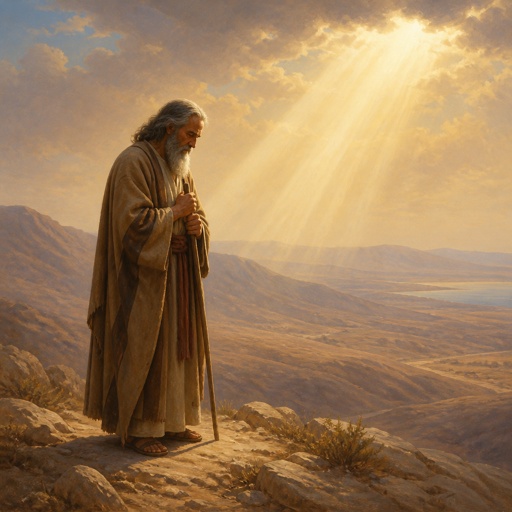
"And the LORD spake unto Moses that selfsame day, saying," - Deuteronomy 32:48

Psalms 48:4 - "For, lo, the kings were assembled, they passed by together."

Jeremiah 48:4 - "Moab is destroyed; her little ones have caused a cry to be heard."

Ezekiel 48:4 - "And by the border of Naphtali, from the east side unto the west side, a portion for Manasseh."

John 4:48 - "Then said Jesus unto him, Except ye see signs and wonders, ye will not believe."

Numbers 4:48 - "Even those that were numbered of them, were eight thousand and five hundred and fourscore."

Isaiah 48:4 - "Because I knew that thou art obstinate, and thy neck is an iron sinew, and thy brow brass;"

"For, lo, the kings were assembled, they passed by together." - Psalms 48:4
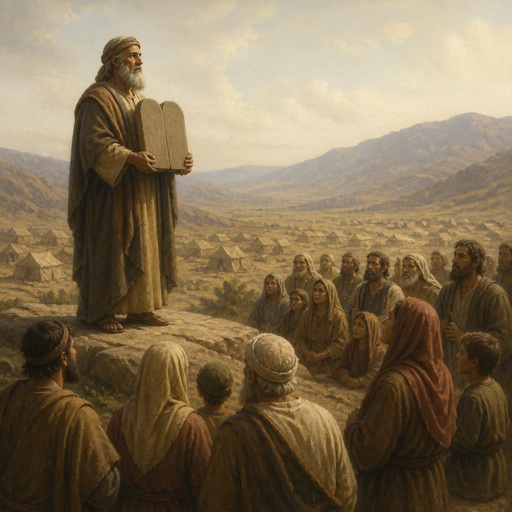
"And what nation is there so great, that hath statutes and judgments so righteous as all this law, which I set before you this day?" - Deuteronomy 4:8
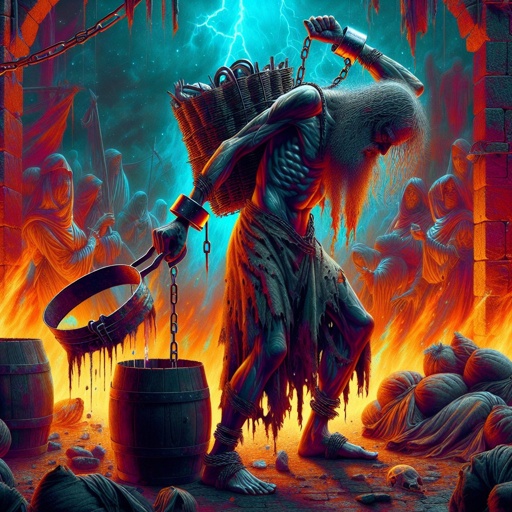
Deuteronomy 28:48 - "Therefore shalt thou serve thine enemies which the LORD shall send against thee, in hunger, and in thirst, and in nakedness, and in want of all things: and he shall put a yoke of iron upon thy neck, until he have destroyed thee."

Deuteronomy 26:4-10

Deuteronomy 26:4-10

Deuteronomy 4:4 - "But ye that did cleave unto the LORD your God are alive every one of you this day."

"Moab is destroyed; her little ones have caused a cry to be heard." - Jeremiah 48:4

"And by the border of Naphtali, from the east side unto the west side, a portion for Manasseh." - Ezekiel 48:4

Deuteronomy 34:1-4 – Moses views the Promised Land from Mount Nebo.

Deuteronomy 34:1-4 – Moses views the Promised Land from Mount Nebo.

Deuteronomy 34:1-4 – Moses views the Promised Land from Mount Nebo.

Genesis 48:4 - "And said unto me, Behold, I will make thee fruitful, and multiply thee, and I will make of thee a multitude of people; and will give this land to thy seed after thee for an everlasting possession."

Deuteronomy 4:44 - "¶ And this is the law which Moses set before the children of Israel:"

Deuteronomy 12:4 - "Ye shall not do so unto the LORD your God."

Deuteronomy 33:4 - "Moses commanded us a law, even the inheritance of the congregation of Jacob."

Deuteronomy 34:1-4 – Moses views the Promised Land from Mount Nebo.

Deuteronomy 34:1-4 – Moses views the Promised Land from Mount Nebo.

Deuteronomy 6:4 - "Hear, O Israel: The LORD our God is one LORD:"

Deuteronomy 4:24 - "For the LORD thy God is a consuming fire, even a jealous God."