What does Deuteronomy 4:42 mean?
"That the slayer might flee thither, which should kill his neighbour unawares, and hated him not in times past; and that fleeing unto one of these cities he might live:" - Deuteronomy 4:42
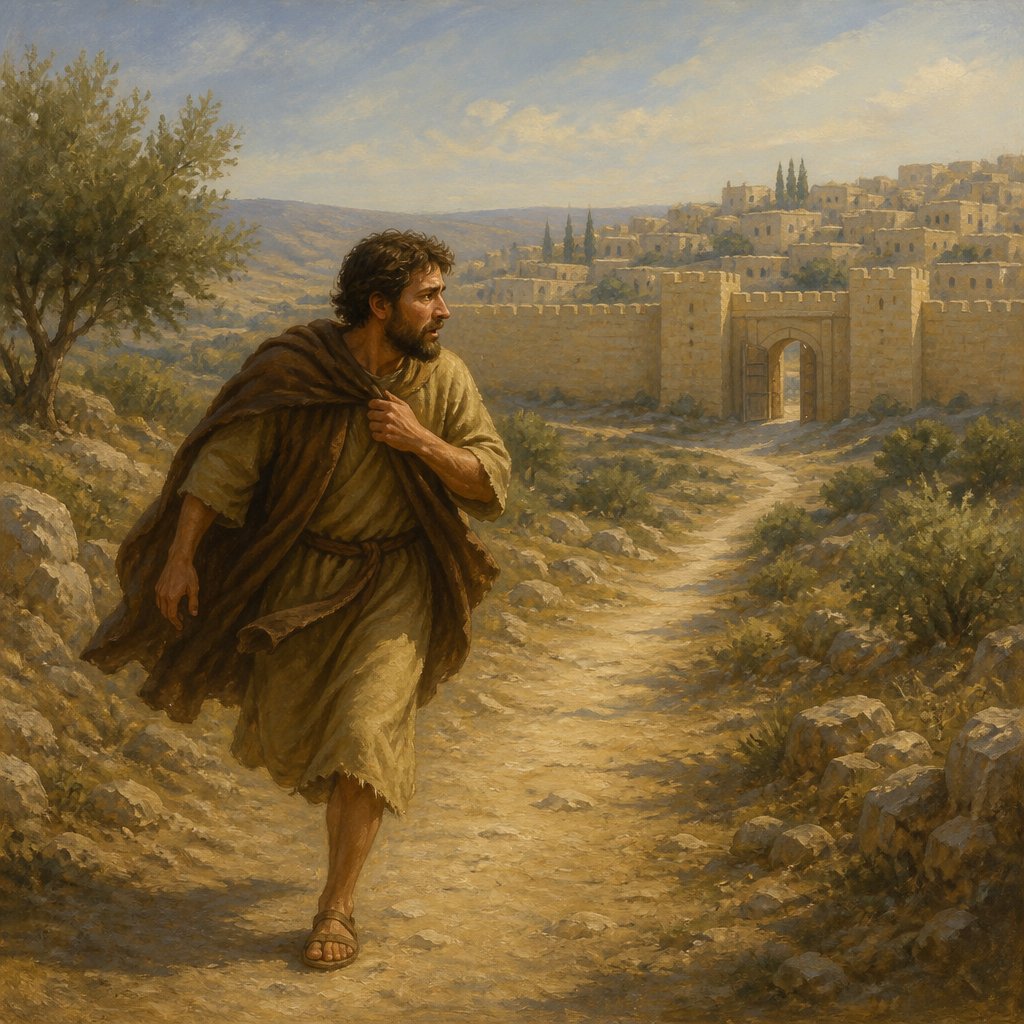
Deuteronomy 4:42 reads in the King James Version: "That the slayer might flee thither, which should kill his neighbor unawares, and hated him not in times past; and that fleeing unto one of these cities he might live." This verse is a part of a larger passage in the Book of Deuteronomy, which is a book in the Old Testament of the Bible. In this passage, Moses is recounting the laws and instructions given to the Israelites by God during their time in the wilderness. The verse specifically addresses the establishment of cities of refuge for individuals who unintentionally killed someone.
The establishment of cities of refuge reflects the mercy and justice of God. It is rooted in the recognition that not all killings are premeditated or intentional. In a society where avenging the blood of a loved one was common, the cities of refuge provided a safe haven for those who unintentionally caused the death of another person. This reflects the importance of fairness and justice in the Old Testament law. It demonstrates that God is not only concerned with punishment but also with mercy and the preservation of life.
The theme of justice and mercy is central to this verse. It underscores the importance of differentiating between premeditated murder and accidental killing. By providing a place of safety for those who had unintentionally caused harm, God's justice is tempered with mercy. This is consistent with the biblical principle of justice being tempered with mercy, as seen throughout the Old Testament.
The context of this verse is important in understanding its significance. The establishment of cities of refuge was a practical measure to prevent the cycle of revenge killings. In ancient Israelite society, avenging the blood of a loved one was a common practice. This often led to a cycle of violence that perpetuated the cycle of death and revenge. By providing cities of refuge, God was seeking to break this cycle and establish a means for reconciliation and justice.
The symbolism of the cities of refuge extends beyond the practical purpose of providing a safe haven. It also points to the spiritual significance of finding refuge in God. The cities of refuge serve as a metaphor for finding safety and protection in God. They represent the idea that God is a place of safety and refuge for those in need. This echoes the broader biblical theme of God as a protector and refuge for his people.
Additionally, the establishment of cities of refuge also reflects the concept of atonement. In the Old Testament law, atonement was a central theme, and the provision of these cities symbolizes the need for reconciliation and restoration in the face of unintentional harm. It emphasizes the need for individuals to seek forgiveness and make amends for their actions.
In conclusion, Deuteronomy 4:42 and the establishment of cities of refuge convey important themes of justice, mercy, and atonement. They provide a practical solution for preventing revenge killings and also serve as a metaphor for finding refuge in God. The verse highlights the complexity of justice and the importance of mercy in the Old Testament law. It also underscores the need for reconciliation and atonement in the face of unintentional harm. As such, it remains a powerful and relevant passage with timeless lessons for believers today.
Have questions about Deuteronomy 4:42?
Dive deeper into this scripture with Bible Chat — an AI-powered tool for exploring God's Word through conversation. Ask questions, get context, and grow in your understanding of the Bible.
Get Our Apps


Deuteronomy 4:42 Artwork

Deuteronomy 4:42 - "That the slayer might flee thither, which should kill his neighbour unawares, and hated him not in times past; and that fleeing unto one of these cities he might live:"
"That the slayer might flee thither, which should kill his neighbour unawares, and hated him not in times past; and that fleeing unto one of these cities he might live:" - Deuteronomy 4:42

Deuteronomy 32:42

Deuteronomy 28:42 - "All thy trees and fruit of thy land shall the locust consume."

Deuteronomy 4:2 - "Ye shall not add unto the word which I command you, neither shall ye diminish ought from it, that ye may keep the commandments of the LORD your God which I command you."

"All thy trees and fruit of thy land shall the locust consume." - Deuteronomy 28:42

Deuteronomy 1:42 - "And the LORD said unto me, Say unto them, Go not up, neither fight; for I am not among you; lest ye be smitten before your enemies."

Numbers 4:42 - "¶ And those that were numbered of the families of the sons of Merari, throughout their families, by the house of their fathers,"

Job 42:4 - "Hear, I beseech thee, and I will speak: I will demand of thee, and declare thou unto me."

Ezekiel 42:4 - "And before the chambers was a walk of ten cubits breadth inward, a way of one cubit; and their doors toward the north."

Genesis 42:4 - "But Benjamin, Joseph's brother, Jacob sent not with his brethren; for he said, Lest peradventure mischief befall him."

Deuteronomy 26:4-10

Deuteronomy 26:4-10

Isaiah 42:4 - "He shall not fail nor be discouraged, till he have set judgment in the earth: and the isles shall wait for his law."

Deuteronomy 4:4 - "But ye that did cleave unto the LORD your God are alive every one of you this day."

John 4:42 - "And said unto the woman, Now we believe, not because of thy saying: for we have heard him ourselves, and know that this is indeed the Christ, the Saviour of the world."

Deuteronomy 34:1-4 – Moses views the Promised Land from Mount Nebo.

Deuteronomy 34:1-4 – Moses views the Promised Land from Mount Nebo.

Deuteronomy 34:1-4 – Moses views the Promised Land from Mount Nebo.

1 Chronicles 4:42 - "And some of them, even of the sons of Simeon, five hundred men, went to mount Seir, having for their captains Pelatiah, and Neariah, and Rephaiah, and Uzziel, the sons of Ishi."
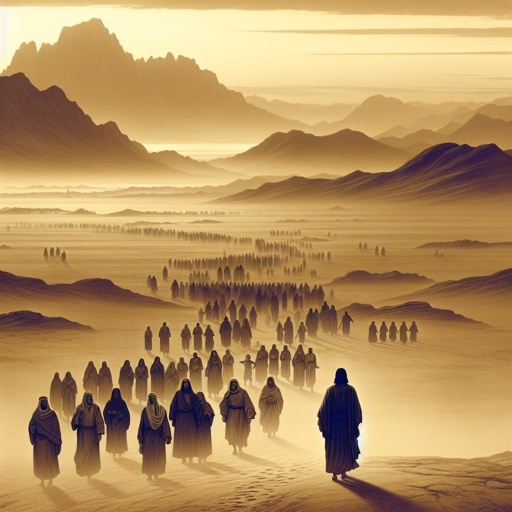
Luke 4:42 - "And when it was day, he departed and went into a desert place: and the people sought him, and came unto him, and stayed him, that he should not depart from them."

Deuteronomy 4:44 - "¶ And this is the law which Moses set before the children of Israel:"

Deuteronomy 12:4 - "Ye shall not do so unto the LORD your God."

Deuteronomy 33:4 - "Moses commanded us a law, even the inheritance of the congregation of Jacob."

Deuteronomy 34:1-4 – Moses views the Promised Land from Mount Nebo.

Deuteronomy 34:1-4 – Moses views the Promised Land from Mount Nebo.

Deuteronomy 6:4 - "Hear, O Israel: The LORD our God is one LORD:"

Deuteronomy 4:24 - "For the LORD thy God is a consuming fire, even a jealous God."

Deuteronomy 34:1-4 – Moses views the Promised Land from Mount Nebo.

Deuteronomy 34:1-4 – Moses views the Promised Land from Mount Nebo.