What does Deuteronomy 4:39 mean?
"Know therefore this day, and consider it in thine heart, that the LORD he is God in heaven above, and upon the earth beneath: there is none else." - Deuteronomy 4:39
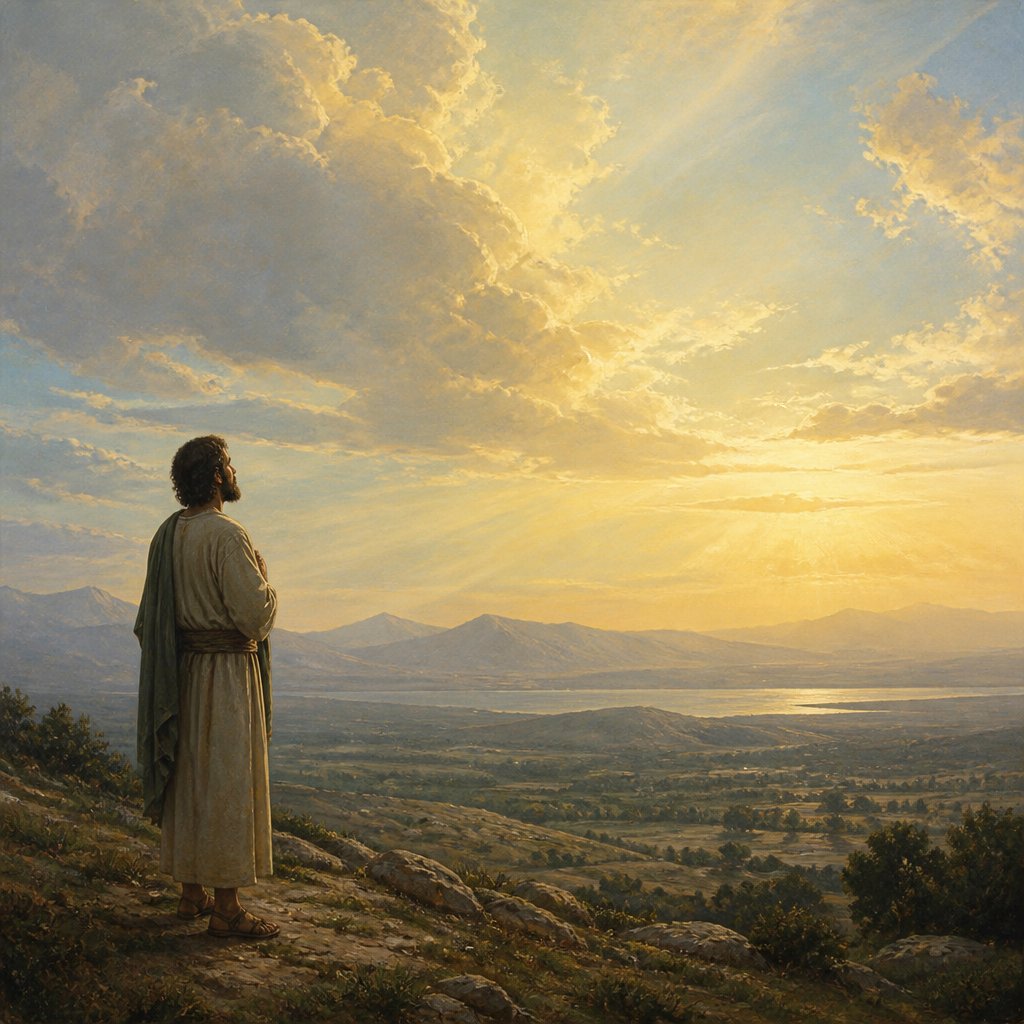
Deuteronomy 4:39 (KJV) states, "Know therefore this day, and consider it in thine heart, that the LORD he is God in heaven above, and upon the earth beneath: there is none else."
This verse from the book of Deuteronomy serves as a powerful declaration of the sovereignty and exclusivity of God. It is a call for the Israelites to recognize and internalize the truth that there is only one true God, and He reigns supreme over the heavens and the earth.
Contextually, this verse comes from a passage where Moses is addressing the Israelites before they enter the Promised Land. He is reiterating the commandments and laws that God had given them, and reminding them of the importance of obeying these commandments. In Deuteronomy 4:35-40, Moses emphasizes the uniqueness and greatness of God, and how He had chosen the Israelites as His own people.
The theme of monotheism is central to this verse. In a polytheistic culture where the worship of multiple gods was common, the Israelites were being reminded that their God, Yahweh, was the one true God. This exclusivity of God is a recurring theme throughout the Bible, emphasizing the importance of worshiping and serving Him alone.
The verse also emphasizes the omnipresence of God, declaring that He is the God in heaven above, and upon the earth beneath. This underscores the all-encompassing nature of God's sovereignty and authority. It serves as a reminder that there is no aspect of creation that is outside of God's dominion.
The symbolism in this verse lies in the contrast between the one true God and the false gods that were worshiped by other nations. In the cultural and historical context of the Israelites, neighboring nations often worshiped a pantheon of gods and goddesses, each with their own domains and spheres of influence. By declaring that there is none else but the LORD, the verse challenges the beliefs of these surrounding cultures, and asserts the superiority of Yahweh.
Furthermore, the verse also holds a personal relevance for individuals. The command to "know... this day, and consider it in thine heart" speaks to the importance of a personal, internal acknowledgement of God's sovereignty. It is a call for a deep, heartfelt recognition of God's lordship over one's life.
In a broader theological context, Deuteronomy 4:39 stands as a foundational affirmation of the central beliefs of the Christian faith. It echoes the declaration of faith in the Shema, the Jewish confession of faith found in Deuteronomy 6:4, "Hear, O Israel: The LORD our God, the LORD is one." This verse is echoed in the New Testament, where Jesus reaffirms the exclusivity of God in Mark 12:29, "The most important one," answered Jesus, "is this: 'Hear, O Israel: The Lord our God, the Lord is one."
In conclusion, Deuteronomy 4:39 serves as a pivotal statement of faith in the supremacy of God. It encapsulates the themes of monotheism, omnipresence, and personal acknowledgment of God's lordship. It challenges cultural norms and false beliefs, and calls for a wholehearted devotion to the one true God. As believers today, we are likewise called to internalize and live out this truth, acknowledging and professing the exclusive sovereignty of God in our lives.
Have questions about Deuteronomy 4:39?
Dive deeper into this scripture with Bible Chat — an AI-powered tool for exploring God's Word through conversation. Ask questions, get context, and grow in your understanding of the Bible.
Get Our Apps


Deuteronomy 4:39 Artwork

Deuteronomy 4:39 - "Know therefore this day, and consider it in thine heart, that the LORD he is God in heaven above, and upon the earth beneath: there is none else."
"Know therefore this day, and consider it in thine heart, that the LORD he is God in heaven above, and upon the earth beneath: there is none else." - Deuteronomy 4:39

Deuteronomy 28:39 - "Thou shalt plant vineyards, and dress them, but shalt neither drink of the wine, nor gather the grapes; for the worms shall eat them."

Exodus 39:4 - "They made shoulderpieces for it, to couple it together: by the two edges was it coupled together."

Job 39:4 - "Their young ones are in good liking, they grow up with corn; they go forth, and return not unto them."

1 Chronicles 4:39 - "¶ And they went to the entrance of Gedor, even unto the east side of the valley, to seek pasture for their flocks."
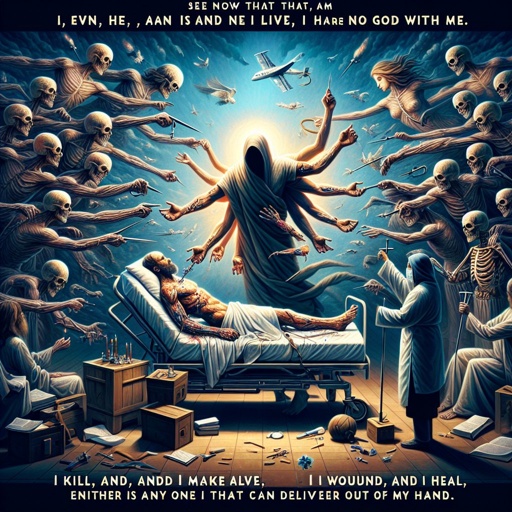
Deuteronomy 32:39 - "See now that I, even I, am he, and there is no god with me: I kill, and I make alive; I wound, and I heal: neither is there any that can deliver out of my hand."

Mark 4:39 - "And he arose, and rebuked the wind, and said unto the sea, Peace, be still. And the wind ceased, and there was a great calm."

Deuteronomy 26:4-10

Luke 4:39 - "And he stood over her, and rebuked the fever; and it left her: and immediately she arose and ministered unto them."
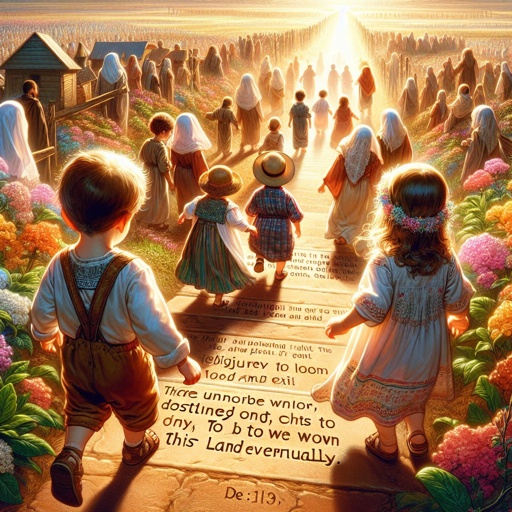
Deuteronomy 1:39 - "Moreover your little ones, which ye said should be a prey, and your children, which in that day had no knowledge between good and evil, they shall go in thither, and unto them will I give it, and they shall possess it."

Deuteronomy 26:4-10

Deuteronomy 4:4 - "But ye that did cleave unto the LORD your God are alive every one of you this day."

John 4:39 - "¶ And many of the Samaritans of that city believed on him for the saying of the woman, which testified, He told me all that ever I did."

Numbers 4:39 - "From thirty years old and upward even unto fifty years old, every one that entereth into the service, for the work in the tabernacle of the congregation,"

Psalms 39:4 - "LORD, make me to know mine end, and the measure of my days, what it is; that I may know how frail I am."

Deuteronomy 34:1-4 – Moses views the Promised Land from Mount Nebo.

Deuteronomy 34:1-4 – Moses views the Promised Land from Mount Nebo.

Deuteronomy 34:1-4 – Moses views the Promised Land from Mount Nebo.
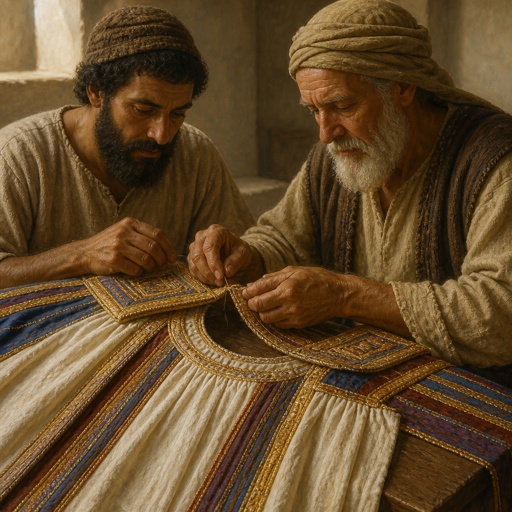
"They made shoulderpieces for it, to couple it together: by the two edges was it coupled together." - Exodus 39:4

Deuteronomy 4:44 - "¶ And this is the law which Moses set before the children of Israel:"

Deuteronomy 12:4 - "Ye shall not do so unto the LORD your God."

Deuteronomy 33:4 - "Moses commanded us a law, even the inheritance of the congregation of Jacob."

Deuteronomy 34:1-4 – Moses views the Promised Land from Mount Nebo.

Deuteronomy 34:1-4 – Moses views the Promised Land from Mount Nebo.

Deuteronomy 6:4 - "Hear, O Israel: The LORD our God is one LORD:"

Deuteronomy 4:24 - "For the LORD thy God is a consuming fire, even a jealous God."

Deuteronomy 34:1-4 – Moses views the Promised Land from Mount Nebo.

Deuteronomy 34:1-4 – Moses views the Promised Land from Mount Nebo.

Deuteronomy 4:41 - "¶ Then Moses severed three cities on this side Jordan toward the sunrising;"