What does Deuteronomy 4:2 mean?
"Ye shall not add unto the word which I command you, neither shall ye diminish ought from it, that ye may keep the commandments of the LORD your God which I command you." - Deuteronomy 4:2
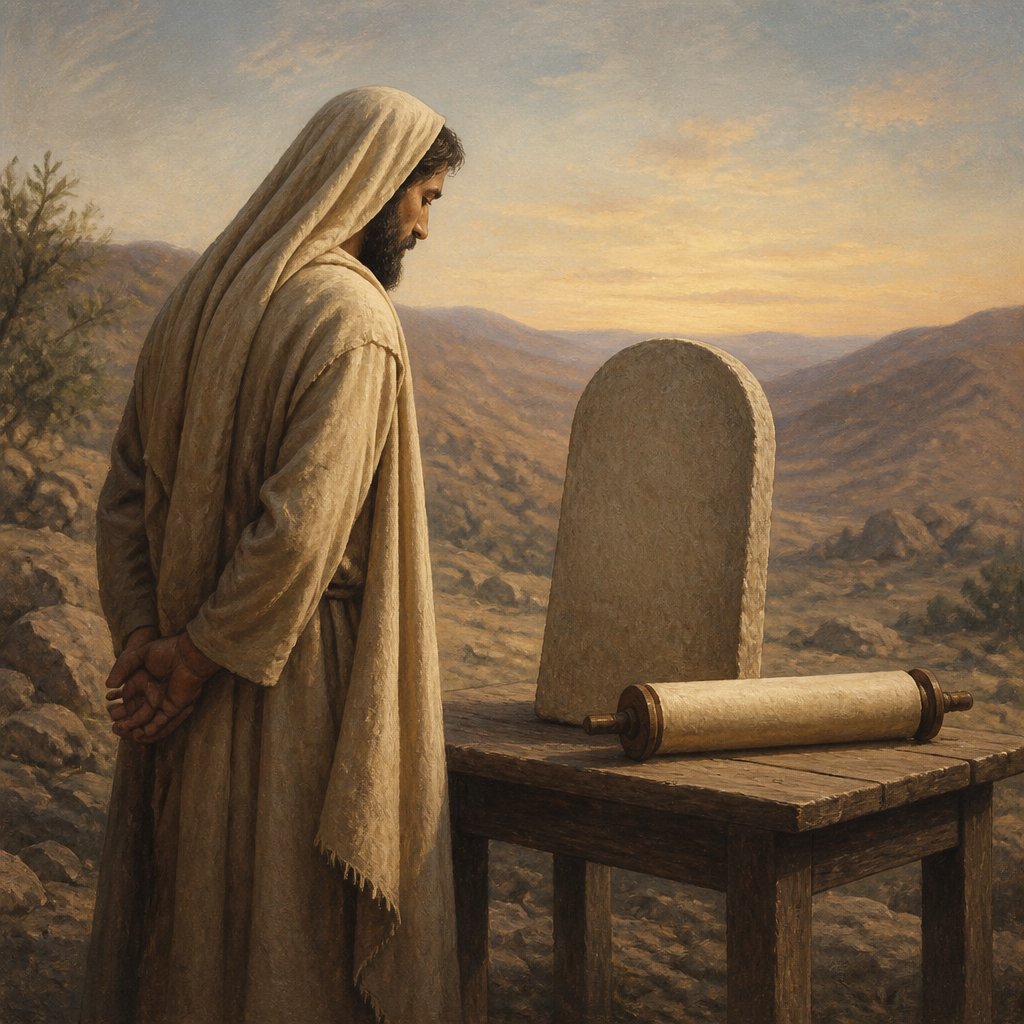
Deuteronomy 4:2 from the King James Version of the Bible states, "Ye shall not add unto the word which I command you, neither shall ye diminish ought from it, that ye may keep the commandments of the Lord your God which I command you." This verse is a crucial reminder of the importance of adhering to the word of God and not altering it in any way. It serves as a call for strict adherence to God's commandments and laws, emphasizing the significance of maintaining the purity and integrity of His word.
The book of Deuteronomy is a significant part of the Torah, the first five books of the Bible, and it is traditionally attributed to Moses. It consists of Moses' farewell address to the Israelites, recounting their journey, emphasizing the principles and laws given to them by God, and preparing them for entering the promised land. Deuteronomy 4:2 reflects this context by stressing the importance of upholding God's commandments and teachings as the Israelites prepare to enter the land of Canaan.
The verse focuses on the prohibition against adding or subtracting from God's word. This emphasizes the sanctity and completeness of the scriptures, highlighting the belief that the divine message is perfect and should not be altered in any way. This directive is further emphasized in the concluding book of the New Testament, Revelation 22:18-19, which warns against adding or subtracting from the book of Revelation.
The underlying themes of Deuteronomy 4:2 include obedience, reverence, and respect for God's word. It serves as a reminder to the Israelites, and all believers, that they are called to obey and keep the commandments of the Lord without deviation. By adhering to God's word, they show reverence and respect for His authority and demonstrate their commitment to living according to His will.
The verse also conveys the idea of the completeness and sufficiency of God's word. By prohibiting additions and subtractions, it emphasizes the belief that the scriptures are whole and do not require any human intervention or modification. This upholds the belief in the infallibility of the Bible and emphasizes the importance of preserving its integrity.
The symbolism of Deuteronomy 4:2 lies in the idea of the word of God as a guide and a source of wisdom. It represents the divine authority and the moral and spiritual guidance found in the scriptures. The verse serves as a reminder to all believers that the word of God is unchanging and is the ultimate source of truth and guidance for their lives.
Furthermore, the verse also emphasizes the idea of trust and reliance on God's word. By adhering to His commandments without alteration, believers demonstrate their trust in God's wisdom and guidance. It encourages them to rely on the scriptures as the ultimate standard for their thoughts, beliefs, and actions.
In conclusion, Deuteronomy 4:2 is a powerful and significant verse that conveys essential themes of obedience, reverence, and respect for the word of God. It emphasizes the completeness and sufficiency of the scriptures and serves as a reminder of the importance of upholding God's commandments without deviation. The verse carries significant symbolism, representing the divine authority and guidance found in the scriptures and encouraging believers to trust in and rely on God's word. This verse continues to hold relevance for believers today, serving as a reminder of the importance of preserving the integrity and sanctity of the scriptures.
Have questions about Deuteronomy 4:2?
Dive deeper into this scripture with Bible Chat — an AI-powered tool for exploring God's Word through conversation. Ask questions, get context, and grow in your understanding of the Bible.
Get Our Apps


Deuteronomy 4:2 Artwork

Deuteronomy 4:2 - "Ye shall not add unto the word which I command you, neither shall ye diminish ought from it, that ye may keep the commandments of the LORD your God which I command you."
"Ye shall not add unto the word which I command you, neither shall ye diminish ought from it, that ye may keep the commandments of the LORD your God which I command you." - Deuteronomy 4:2

Deuteronomy 26:4-10

Deuteronomy 2:4 - "And command thou the people, saying, Ye are to pass through the coast of your brethren the children of Esau, which dwell in Seir; and they shall be afraid of you: take ye good heed unto yourselves therefore:"

Deuteronomy 26:4-10

Deuteronomy 4:4 - "But ye that did cleave unto the LORD your God are alive every one of you this day."

Deuteronomy 34:1-4 – Moses views the Promised Land from Mount Nebo.

Deuteronomy 34:1-4 – Moses views the Promised Land from Mount Nebo.

Deuteronomy 34:1-4 – Moses views the Promised Land from Mount Nebo.

Deuteronomy 2:2 - "And the LORD spake unto me, saying,"

Deuteronomy 4:44 - "¶ And this is the law which Moses set before the children of Israel:"

Deuteronomy 33:4 - "Moses commanded us a law, even the inheritance of the congregation of Jacob."

Deuteronomy 12:4 - "Ye shall not do so unto the LORD your God."

Deuteronomy 34:1-4 – Moses views the Promised Land from Mount Nebo.

Deuteronomy 6:4 - "Hear, O Israel: The LORD our God is one LORD:"

Deuteronomy 34:1-4 – Moses views the Promised Land from Mount Nebo.

Deuteronomy 4:24 - "For the LORD thy God is a consuming fire, even a jealous God."

Deuteronomy 34:1-4 – Moses views the Promised Land from Mount Nebo.

Deuteronomy 34:1-4 – Moses views the Promised Land from Mount Nebo.

Deuteronomy 4:41 - "¶ Then Moses severed three cities on this side Jordan toward the sunrising;"

Deuteronomy 14:4 - "These are the beasts which ye shall eat: the ox, the sheep, and the goat,"

Deuteronomy 25:4 - "¶ Thou shalt not muzzle the ox when he treadeth out the corn."

Deuteronomy 5:4 - "The LORD talked with you face to face in the mount out of the midst of the fire,"

Deuteronomy 4:17 - "The likeness of any beast that is on the earth, the likeness of any winged fowl that flieth in the air,"

Deuteronomy 4:18 - "The likeness of any thing that creepeth on the ground, the likeness of any fish that is in the waters beneath the earth:"

Deuteronomy 4:48 - "From Aroer, which is by the bank of the river Arnon, even unto mount Sion, which is Hermon,"

Deuteronomy 2:17 - "That the LORD spake unto me, saying,"

Deuteronomy 4:49 - "And all the plain on this side Jordan eastward, even unto the sea of the plain, under the springs of Pisgah."

Deuteronomy 4:43 - "Namely, Bezer in the wilderness, in the plain country, of the Reubenites; and Ramoth in Gilead, of the Gadites; and Golan in Bashan, of the Manassites."

Deuteronomy 20:4 - "For the LORD your God is he that goeth with you, to fight for you against your enemies, to save you."