What does Deuteronomy 3:14 mean?
"Jair the son of Manasseh took all the country of Argob unto the coasts of Geshuri and Maachathi; and called them after his own name, Bashan-havoth-jair, unto this day." - Deuteronomy 3:14
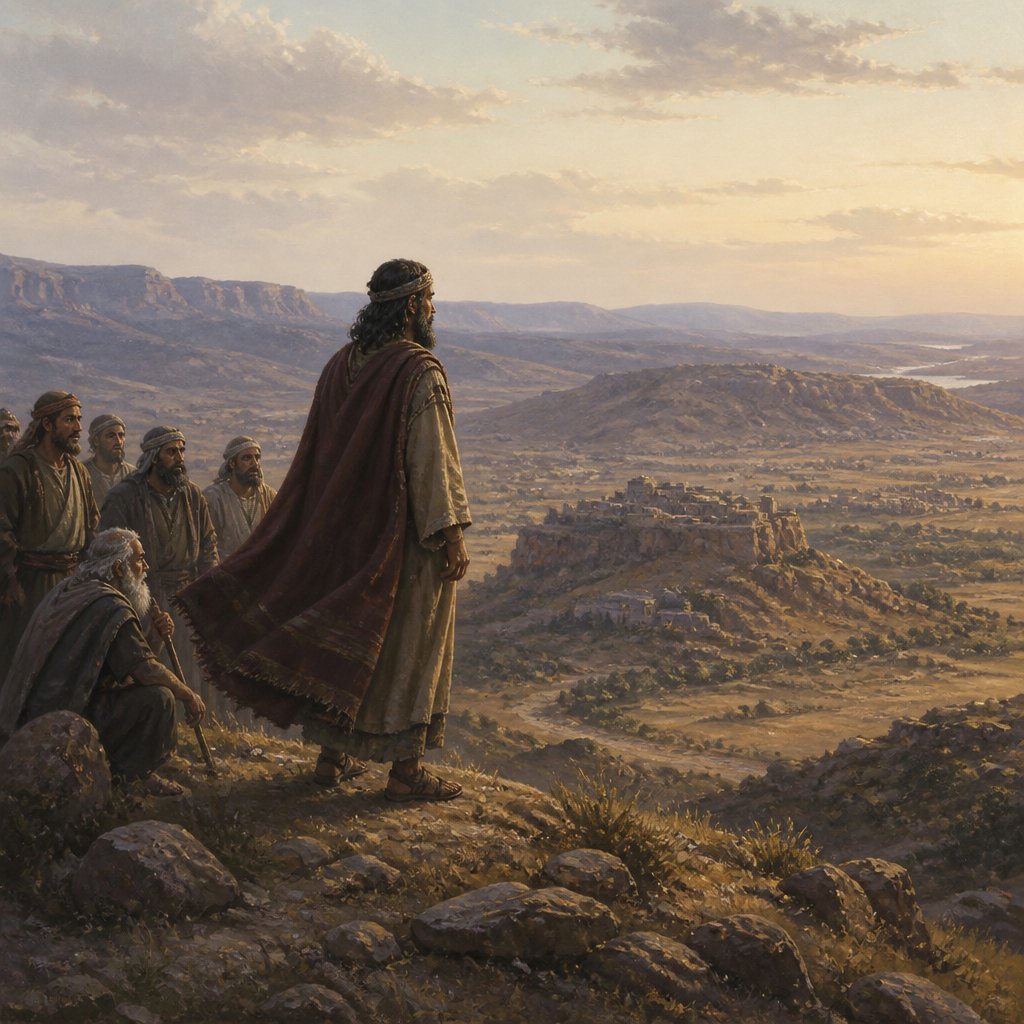
Deuteronomy 3:14 King James Version (KJV): "Jair the son of Manasseh took all the country of Argob unto the coasts of Geshuri and Maachathi; and called them after his own name, Bashanhavothjair, unto this day."
This verse from the book of Deuteronomy is a relatively obscure passage in the Bible, and yet it holds within it rich insights into the ancient world and echoes of the themes present throughout the Old Testament.
The verse begins by mentioning Jair, the son of Manasseh. Manasseh was one of the twelve tribes of Israel, descended from Manasseh, a son of Joseph. Jair was a member of this prominent tribe, and he is remembered for his conquest of the land of Argob. In the ancient Near East, the act of conquering and renaming a territory was a common way for a ruler to assert their dominance and assert their identity, as seen by Jair renaming the land Bashanhavothjair after himself.
The context of this verse is also important to understanding its significance. The book of Deuteronomy is essentially a series of speeches given by Moses to the Israelites as they prepare to enter the Promised Land. In these speeches, Moses reiterates the laws and commandments given to the Israelites by God, and he also recounts the history of the Israelites’ journey from Egypt to the land of Canaan. This verse comes in the midst of Moses’ recounting of the Israelites’ conquest of the Transjordan region, and it serves as a reminder of the Israelites’ divine mandate to possess the land promised to them by God.
In terms of themes, this verse touches on the concepts of conquest and possession. Throughout the Bible, the Israelites are depicted as a people chosen by God to possess the land of Canaan. This belief in their divine right to the land is a constant theme throughout the Old Testament, and it is exemplified here in Jair’s conquest of Argob. The act of renaming the conquered land after himself also speaks to the theme of identity and ownership. By naming the land after himself, Jair is asserting his authority and ownership over it, much like the Israelites seek to assert their identity and ownership over the land of Canaan.
Symbolism also plays a significant role in this verse. The act of renaming the land after himself represents a form of memorialization and commemoration. In the ancient world, renaming a territory after a conqueror was a way of immortalizing their legacy and accomplishments. By naming the land Bashanhavothjair, Jair is ensuring that his name and his conquest will be remembered for generations to come. This act is a symbolic assertion of power and authority, not just for Jair as an individual, but for the entire tribe of Manasseh and the Israelites as a whole.
In conclusion, Deuteronomy 3:14 may seem like a simple recounting of a historical event, but it holds within it deep insights into the themes of conquest, possession, and identity that are present throughout the Old Testament. It serves as a reminder of the Israelites’ divine mandate to possess the land of Canaan and the ways in which ancient societies sought to assert their authority and preserve their legacies. This verse is a testament to the timeless relevance and complexity of the biblical text.
Have questions about Deuteronomy 3:14?
Dive deeper into this scripture with Bible Chat — an AI-powered tool for exploring God's Word through conversation. Ask questions, get context, and grow in your understanding of the Bible.
Get Our Apps


Deuteronomy 3:14 Artwork

Deuteronomy 3:14 - "Jair the son of Manasseh took all the country of Argob unto the coasts of Geshuri and Maachathi; and called them after his own name, Bashan-havoth-jair, unto this day."
"Jair the son of Manasseh took all the country of Argob unto the coasts of Geshuri and Maachathi; and called them after his own name, Bashan-havoth-jair, unto this day." - Deuteronomy 3:14

Deuteronomy 14:3 - "¶ Thou shalt not eat any abominable thing."
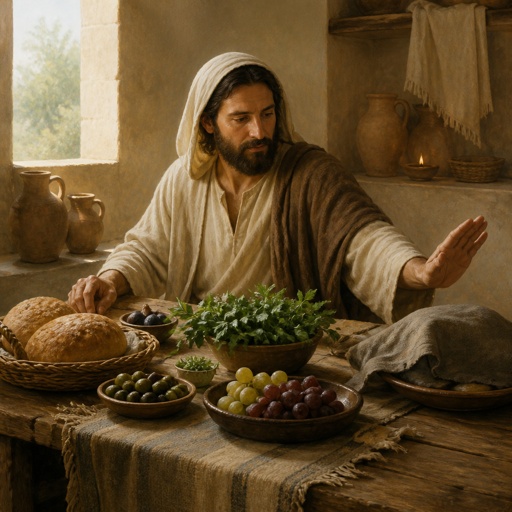
"¶ Thou shalt not eat any abominable thing." - Deuteronomy 14:3

Deuteronomy 14:14 - "And every raven after his kind,"

Deuteronomy 14:17 - "And the pelican, and the gier eagle, and the cormorant,"

"And every raven after his kind," - Deuteronomy 14:14

Deuteronomy 14:16 - "The little owl, and the great owl, and the swan,"

Deuteronomy 14:11 - "¶ Of all clean birds ye shall eat."

Deuteronomy 14:20 - "But of all clean fowls ye may eat."

Deuteronomy 14:13 - "And the glede, and the kite, and the vulture after his kind,"

Deuteronomy 14:18 - "And the stork, and the heron after her kind, and the lapwing, and the bat."

Deuteronomy 14:12 - "But these are they of which ye shall not eat: the eagle, and the ossifrage, and the ospray,"

Deuteronomy 14:15 - "And the owl, and the night hawk, and the cuckow, and the hawk after his kind,"

Deuteronomy 29:14 - "Neither with you only do I make this covenant and this oath;"

Deuteronomy 14:4 - "These are the beasts which ye shall eat: the ox, the sheep, and the goat,"

Deuteronomy 3:15 - "And I gave Gilead unto Machir."

Deuteronomy 14:19 - "And every creeping thing that flieth is unclean unto you: they shall not be eaten."

Deuteronomy 25:14 - "Thou shalt not have in thine house divers measures, a great and a small."

Deuteronomy 3:23 - "And I besought the LORD at that time, saying,"

"And the pelican, and the gier eagle, and the cormorant," - Deuteronomy 14:17

Deuteronomy 27:14 - "¶ And the Levites shall speak, and say unto all the men of Israel with a loud voice,"

Deuteronomy 14:10 - "And whatsoever hath not fins and scales ye may not eat; it is unclean unto you."

Deuteronomy 14:5 - "The hart, and the roebuck, and the fallow deer, and the wild goat, and the pygarg, and the wild ox, and the chamois."

Deuteronomy 33:14 - "And for the precious fruits brought forth by the sun, and for the precious things put forth by the moon,"

Deuteronomy 10:14 - "Behold, the heaven and the heaven of heavens is the LORD'S thy God, the earth also, with all that therein is."

Deuteronomy 1:14 - "And ye answered me, and said, The thing which thou hast spoken is good for us to do."

Deuteronomy 14:9 - "¶ These ye shall eat of all that are in the waters: all that have fins and scales shall ye eat:"

Deuteronomy 6:14 - "Ye shall not go after other gods, of the gods of the people which are round about you;"

Deuteronomy 30:14 - "But the word is very nigh unto thee, in thy mouth, and in thy heart, that thou mayest do it."