What does Deuteronomy 32:7 mean?
"¶ Remember the days of old, consider the years of many generations: ask thy father, and he will shew thee; thy elders, and they will tell thee." - Deuteronomy 32:7
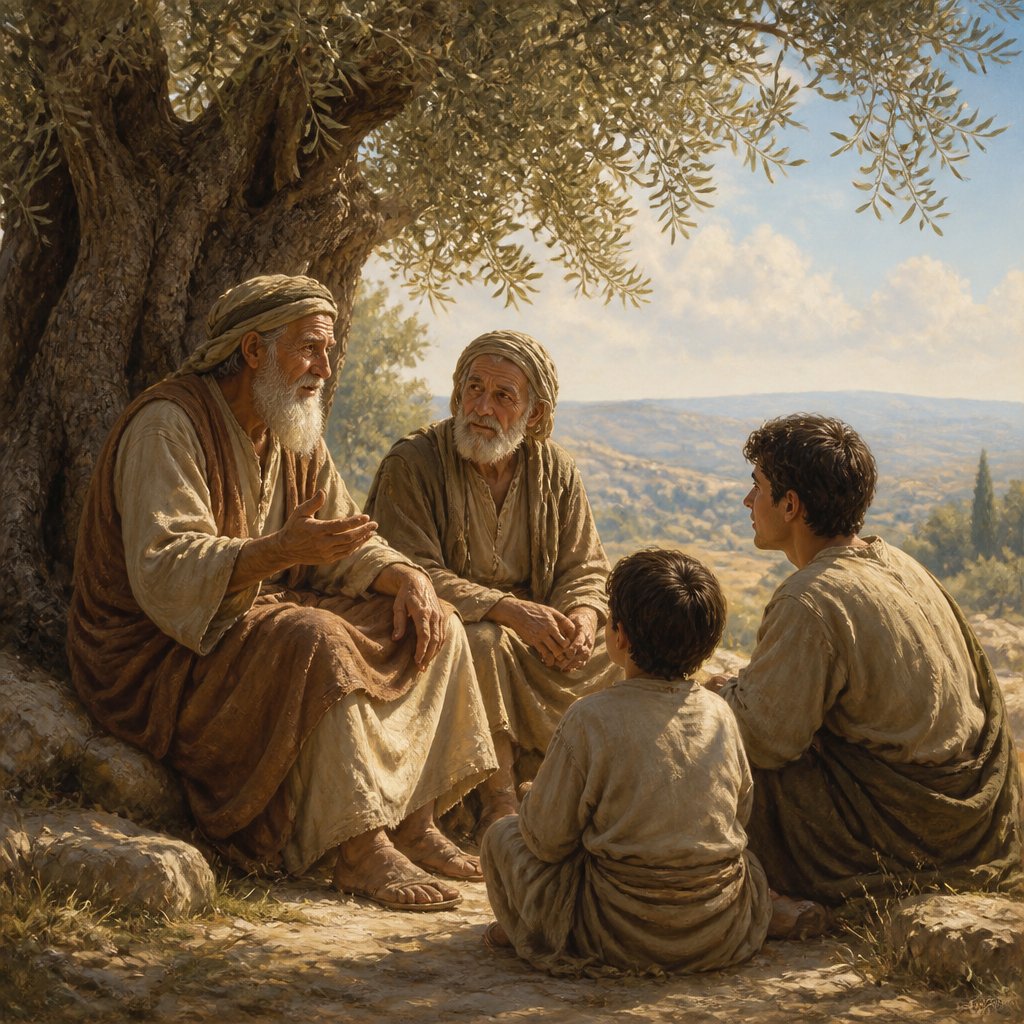
Deuteronomy 32:7 in the King James Version of the Bible is a verse that carries a profound message about the importance of learning from past generations and acknowledging the wisdom of our elders. Let us explore the deeper meaning and commentary of this verse, delving into its themes, context, and symbolism.
The verse reads: "Remember the days of old, consider the years of many generations: ask thy father, and he will shew thee; thy elders, and they will tell thee." This passage serves as a call to remember and honor the wisdom and experiences of previous generations. It encourages the reader to seek guidance and insight from those who have lived before them, recognizing the value of the knowledge passed down through the ages.
One of the central themes of this verse is the importance of respecting and learning from the wisdom of our elders. In many cultures and societies, the older generation is revered for their knowledge and life experiences. This verse emphasizes the idea that we can gain valuable insights and understanding by listening to the stories and lessons of our ancestors. It underscores the notion that wisdom is acquired through the passage of time and should be cherished and passed on to future generations.
The context of this verse is rooted in the Book of Deuteronomy, which is a crucial part of the Torah and the Old Testament. Deuteronomy is predominantly a book of laws and instructions given by Moses to the Israelites before they entered the Promised Land. In this particular verse, Moses is addressing the Israelites, urging them to remember the history and heritage of their people. He is reminding them to pay attention to the lessons learned by their forefathers and to seek the counsel of their elders as they navigate their own journey.
The verse also holds symbolic significance, representing the idea of preserving cultural and spiritual heritage. The "days of old" and "years of many generations" stand for the collective memory and experiences of a community. By remembering and honoring the past, individuals and societies can maintain a sense of identity and continuity. The reference to asking "thy father" and "thy elders" symbolizes the passing down of wisdom and traditions from one generation to the next, creating a vital link between the past, present, and future.
In a broader context, this verse encourages all individuals to recognize the value of intergenerational knowledge and to appreciate the contributions of those who came before them. It speaks to the universal human experience of seeking guidance and learning from the experiences of those who have lived before us. In a rapidly changing world, the verse serves as a reminder of the timeless relevance of wisdom passed down through the ages.
In conclusion, Deuteronomy 32:7 is a verse with a timeless and universal message. It reminds us to consider the knowledge and experiences of past generations, to honor the wisdom of our elders, and to seek guidance from those who have gone before us. This verse encourages us to cherish our cultural and spiritual heritage, emphasizing the importance of learning from history and preserving the wisdom of our ancestors. It is a powerful reminder of the value of intergenerational knowledge and the timeless relevance of the lessons learned by previous generations.
Have questions about Deuteronomy 32:7?
Dive deeper into this scripture with Bible Chat — an AI-powered tool for exploring God's Word through conversation. Ask questions, get context, and grow in your understanding of the Bible.
Get Our Apps


Deuteronomy 32:7 Artwork

Deuteronomy 32:7 - "¶ Remember the days of old, consider the years of many generations: ask thy father, and he will shew thee; thy elders, and they will tell thee."
"¶ Remember the days of old, consider the years of many generations: ask thy father, and he will shew thee; thy elders, and they will tell thee." - Deuteronomy 32:7

Deuteronomy 32:42

Deuteronomy 32:41

Deuteronomy 32:43

Deuteronomy 32:43

Deuteronomy 32:32 - "For their vine is of the vine of Sodom, and of the fields of Gomorrah: their grapes are grapes of gall, their clusters are bitter:"

Deuteronomy 32:33 - "Their wine is the poison of dragons, and the cruel venom of asps."

Deuteronomy 32:48 - "And the LORD spake unto Moses that selfsame day, saying,"

Deuteronomy 32:28 - "For they are a nation void of counsel, neither is there any understanding in them."

Deuteronomy 32:9 - "For the LORD'S portion is his people; Jacob is the lot of his inheritance."

Deuteronomy 32:45 - "And Moses made an end of speaking all these words to all Israel:"

Deuteronomy 1:32 - "Yet in this thing ye did not believe the LORD your God,"

Deuteronomy 32:37 - "And he shall say, Where are their gods, their rock in whom they trusted,"

Deuteronomy 32:29 - "O that they were wise, that they understood this, that they would consider their latter end!"

Deuteronomy 32:31 - "For their rock is not as our Rock, even our enemies themselves being judges."

Deuteronomy 32:12 - "So the LORD alone did lead him, and there was no strange god with him."

Deuteronomy 32:34 - "Is not this laid up in store with me, and sealed up among my treasures?"

Deuteronomy 32:16 - "They provoked him to jealousy with strange gods, with abominations provoked they him to anger."

Deuteronomy 32:5 - "They have corrupted themselves, their spot is not the spot of his children: they are a perverse and crooked generation."

Deuteronomy 32:40 - "For I lift up my hand to heaven, and say, I live for ever."

"For their vine is of the vine of Sodom, and of the fields of Gomorrah: their grapes are grapes of gall, their clusters are bitter:" - Deuteronomy 32:32

Deuteronomy 32:18 - "Of the Rock that begat thee thou art unmindful, and hast forgotten God that formed thee."

Deuteronomy 32:23 - "I will heap mischiefs upon them; I will spend mine arrows upon them."

Deuteronomy 32:3 - "Because I will publish the name of the LORD: ascribe ye greatness unto our God."

Deuteronomy 2:32 - "Then Sihon came out against us, he and all his people, to fight at Jahaz."

Deuteronomy 32:44 - "¶ And Moses came and spake all the words of this song in the ears of the people, he, and Hoshea the son of Nun."

psalm 32:7

Deuteronomy 32:19 - "And when the LORD saw it, he abhorred them, because of the provoking of his sons, and of his daughters."

Deuteronomy 32:1 - "Give ear, O ye heavens, and I will speak; and hear, O earth, the words of my mouth."