What does Deuteronomy 32:16 mean?
"They provoked him to jealousy with strange gods, with abominations provoked they him to anger." - Deuteronomy 32:16
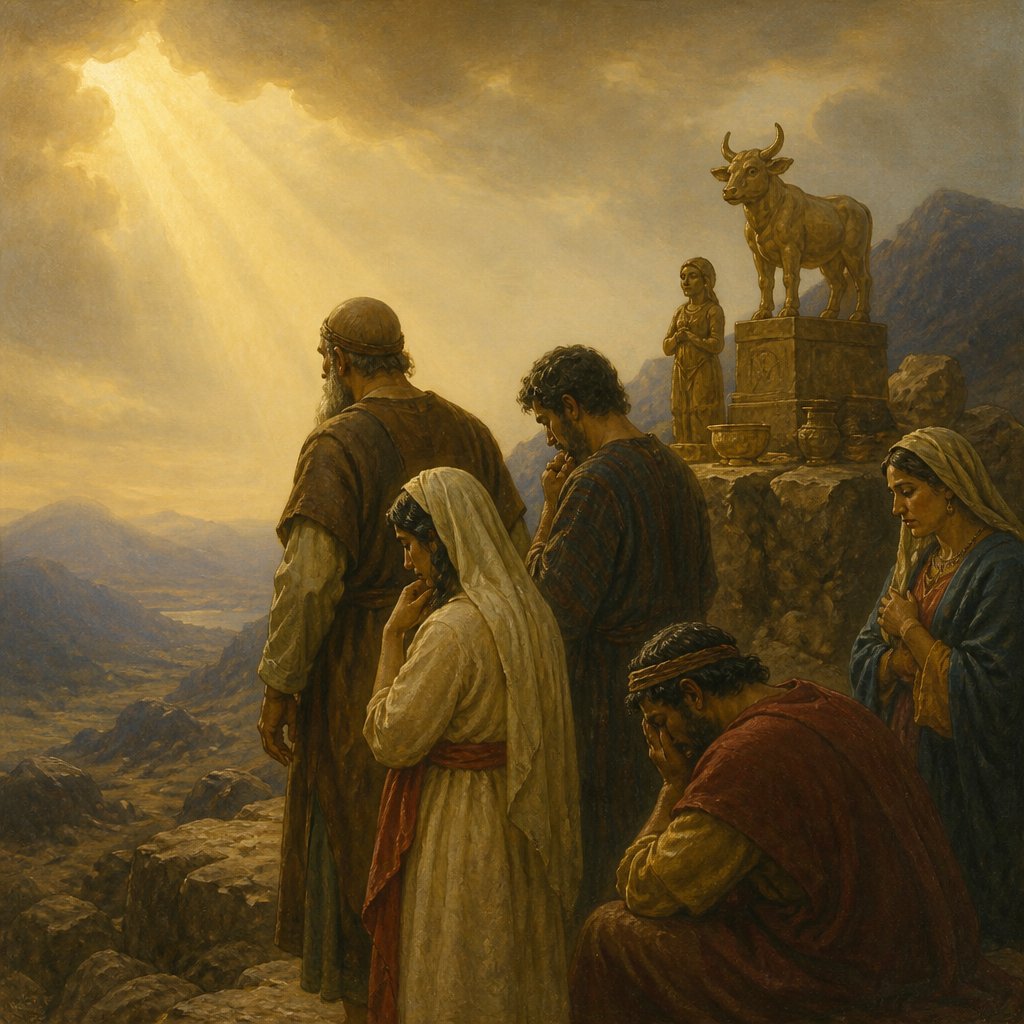
Deuteronomy 32:16 (KJV) states, "They provoked him to jealousy with strange gods, with abominations provoked they him to anger."
This verse is found in the song of Moses, which is a prophetic song that Moses delivered to the Israelites just before his death. In this song, Moses admonishes the Israelites for their unfaithfulness and rebellion against God. The verse in question specifically addresses the Israelites' idolatry and their worship of foreign gods, which provoked the Lord to jealousy and anger.
One of the key themes in this verse is the concept of idolatry and its consequences. The Israelites' worship of strange gods and their engagement in abominable practices was a direct violation of the first commandment, which states, "Thou shalt have no other gods before me" (Exodus 20:3). Throughout the Old Testament, idolatry is depicted as the ultimate betrayal of God and a direct challenge to His sovereignty. The Israelites' penchant for turning to foreign gods and forsaking the one true God is a recurring theme in their history and is often cited as the reason for their downfall and exile.
The verse also highlights the emotions of jealousy and anger that God experiences in response to the Israelites' idolatry. This is a concept that is difficult to reconcile with our understanding of a loving and merciful God. However, the jealousy and anger expressed here are not petty human emotions, but rather a reflection of God's righteous indignation in the face of the Israelites' unfaithfulness. The Lord's jealousy is a reflection of His exclusive claim on His people and His righteous anger is a response to their betrayal and disobedience.
The context of this verse is crucial to its interpretation. It is part of a larger song in which Moses recounts the history of the Israelites, their relationship with God, and the consequences of their disobedience. The song serves as a warning to the Israelites of the dire consequences of forsaking God and turning to idols. The verse also serves as a reminder of the covenant relationship between God and His people, and the responsibilities that come with being chosen by Him.
Symbolism plays a significant role in this verse as well. The "strange gods" and "abominations" represent not just physical idols, but also the spiritual adultery and moral corruption that result from turning away from God. The use of the term "strange gods" emphasizes the foreign and unfamiliar nature of these deities, highlighting the Israelites' betrayal of their own heritage and the uniqueness of the one true God. The reference to "abominations" underscores the gravity of the Israelites' sin and the moral degradation that accompanies idolatry.
In conclusion, Deuteronomy 32:16 (KJV) is a powerful and evocative verse that addresses the profound implications of idolatry and its impact on the relationship between God and His people. It serves as a warning to the Israelites, and by extension to all believers, about the dangers of forsaking the one true God and turning to idols. The themes of idolatry, God's emotions, covenant relationship, and symbolism all contribute to a deeper understanding of the verse and its broader implications for the Christian faith.
Have questions about Deuteronomy 32:16?
Dive deeper into this scripture with Bible Chat — an AI-powered tool for exploring God's Word through conversation. Ask questions, get context, and grow in your understanding of the Bible.
Get Our Apps


Deuteronomy 32:16 Artwork

Deuteronomy 32:16 - "They provoked him to jealousy with strange gods, with abominations provoked they him to anger."
"They provoked him to jealousy with strange gods, with abominations provoked they him to anger." - Deuteronomy 32:16

Deuteronomy 32:42

Deuteronomy 32:41

Deuteronomy 32:43

Deuteronomy 32:43

Deuteronomy 32:32 - "For their vine is of the vine of Sodom, and of the fields of Gomorrah: their grapes are grapes of gall, their clusters are bitter:"

Deuteronomy 32:33 - "Their wine is the poison of dragons, and the cruel venom of asps."

Deuteronomy 32:48 - "And the LORD spake unto Moses that selfsame day, saying,"

Deuteronomy 32:28 - "For they are a nation void of counsel, neither is there any understanding in them."

Deuteronomy 32:9 - "For the LORD'S portion is his people; Jacob is the lot of his inheritance."

Deuteronomy 32:45 - "And Moses made an end of speaking all these words to all Israel:"

Deuteronomy 1:32 - "Yet in this thing ye did not believe the LORD your God,"

Deuteronomy 32:37 - "And he shall say, Where are their gods, their rock in whom they trusted,"

Deuteronomy 32:29 - "O that they were wise, that they understood this, that they would consider their latter end!"

Deuteronomy 32:31 - "For their rock is not as our Rock, even our enemies themselves being judges."

Deuteronomy 32:12 - "So the LORD alone did lead him, and there was no strange god with him."

Deuteronomy 32:34 - "Is not this laid up in store with me, and sealed up among my treasures?"

Deuteronomy 32:5 - "They have corrupted themselves, their spot is not the spot of his children: they are a perverse and crooked generation."

Deuteronomy 32:40 - "For I lift up my hand to heaven, and say, I live for ever."

"For their vine is of the vine of Sodom, and of the fields of Gomorrah: their grapes are grapes of gall, their clusters are bitter:" - Deuteronomy 32:32
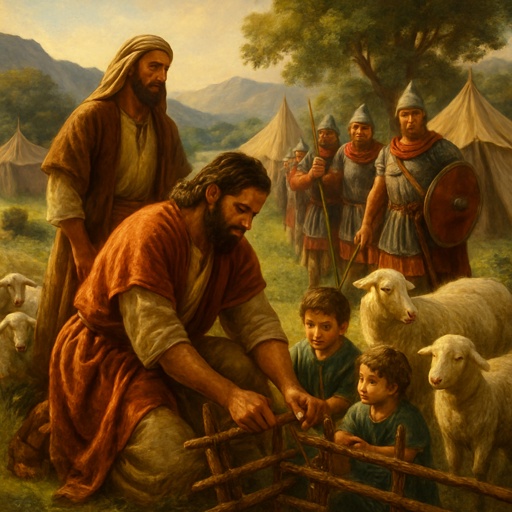
Numbers 32:16-18
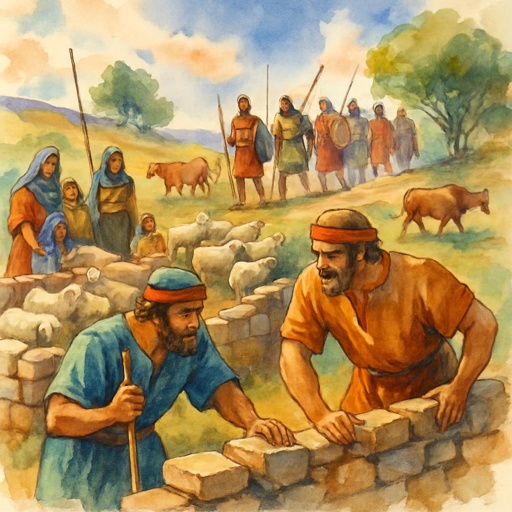
Numbers 32:16-18

Deuteronomy 32:18 - "Of the Rock that begat thee thou art unmindful, and hast forgotten God that formed thee."

Deuteronomy 32:23 - "I will heap mischiefs upon them; I will spend mine arrows upon them."

Deuteronomy 32:3 - "Because I will publish the name of the LORD: ascribe ye greatness unto our God."

Deuteronomy 2:32 - "Then Sihon came out against us, he and all his people, to fight at Jahaz."

Deuteronomy 20:16

Deuteronomy 32:44 - "¶ And Moses came and spake all the words of this song in the ears of the people, he, and Hoshea the son of Nun."

Deuteronomy 32:19 - "And when the LORD saw it, he abhorred them, because of the provoking of his sons, and of his daughters."