What does Deuteronomy 2:24 mean?
"¶ Rise ye up, take your journey, and pass over the river Arnon: behold, I have given into thine hand Sihon the Amorite, king of Heshbon, and his land: begin to possess it, and contend with him in battle." - Deuteronomy 2:24
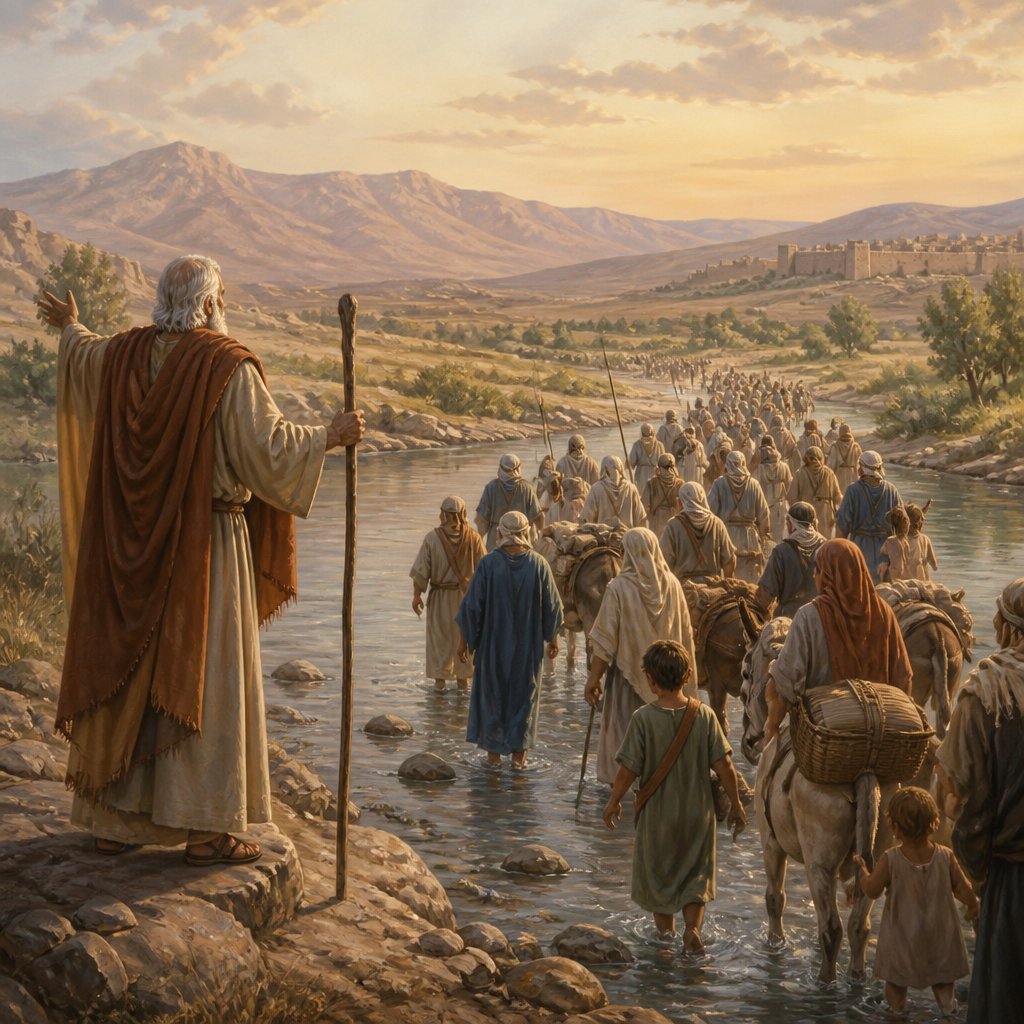
Deuteronomy 2:24 (KJV) reads: "Rise ye up, take your journey, and pass over the river Arnon: behold, I have given into thine hand Sihon the Amorite, king of Heshbon, and his land: begin to possess it, and contend with him in battle."
The book of Deuteronomy is the fifth book of the Christian Old Testament and of the Jewish Torah. It is part of the Pentateuch, the first five books of the Bible, which are attributed to Moses. The name "Deuteronomy" comes from the Greek translation of the Hebrew phrase "devarim," which means "the words" or "the speeches." It is often thought of as a recapitulation of the laws given to the Israelites by God at Mount Sinai, with an emphasis on the need for faithfulness and obedience.
This particular verse is part of Moses' recounting of the Israelites' journey through the wilderness towards the Promised Land. In the larger context of the book of Deuteronomy, this verse is part of the narrative of the Israelites' conquest of the lands east of the Jordan River. Moses is reminding the Israelites of their past victories and instructing them to continue on their journey to take possession of the land that God has promised them.
The themes present in this verse include obedience to God's commands, trust in God's promises, and the struggle for possession of the Promised Land. The command to "rise ye up, take your journey, and pass over the river Arnon" is a call to action for the Israelites to continue moving forward in their journey. It is a reminder that they are not to become complacent or stagnant, but to actively pursue the fulfillment of God's promises.
The reference to the river Arnon is significant as it serves as a geographical marker in the Israelites' journey. It represents the boundary between their current location and the land of the Amorites, which God has given into their hands. The mention of Sihon, the Amorite king of Heshbon, highlights the specific enemy that the Israelites are to contend with in battle. This serves as a reminder that the fulfillment of God's promises often requires struggle and conflict.
The symbolism in this verse is multi-layered. The river Arnon represents the threshold between the old and the new, symbolizing the transition from the wilderness to the promised land. It can also be seen as a metaphor for the challenges and obstacles that must be overcome in order to reach the fulfillment of God's promises.
Sihon, the Amorite king, represents the opposition and resistance that the Israelites will face as they seek to possess the land. His defeat at the hands of the Israelites will serve as a testament to God's faithfulness and power in fulfilling his promises.
Overall, Deuteronomy 2:24 serves as a call to action for the Israelites to continue their journey towards possessing the land that God has promised them. It is a reminder of the need for faithfulness, obedience, and trust in God's promises, even in the face of opposition and struggle. The verse also carries significant symbolic and metaphorical meaning, emphasizing the themes of transition, perseverance, and the faithfulness of God.
Have questions about Deuteronomy 2:24?
Dive deeper into this scripture with Bible Chat — an AI-powered tool for exploring God's Word through conversation. Ask questions, get context, and grow in your understanding of the Bible.
Get Our Apps


Deuteronomy 2:24 Artwork

Deuteronomy 2:24 - "¶ Rise ye up, take your journey, and pass over the river Arnon: behold, I have given into thine hand Sihon the Amorite, king of Heshbon, and his land: begin to possess it, and contend with him in battle."
"¶ Rise ye up, take your journey, and pass over the river Arnon: behold, I have given into thine hand Sihon the Amorite, king of Heshbon, and his land: begin to possess it, and contend with him in battle." - Deuteronomy 2:24

Deuteronomy 24:2 - "And when she is departed out of his house, she may go and be another man's wife."

Deuteronomy 2:4 - "And command thou the people, saying, Ye are to pass through the coast of your brethren the children of Esau, which dwell in Seir; and they shall be afraid of you: take ye good heed unto yourselves therefore:"
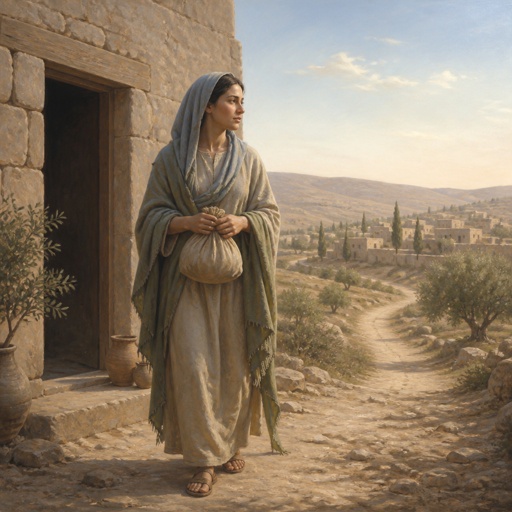
"And when she is departed out of his house, she may go and be another man's wife." - Deuteronomy 24:2

Deuteronomy 24:12 - "And if the man be poor, thou shalt not sleep with his pledge:"

Deuteronomy 4:24 - "For the LORD thy God is a consuming fire, even a jealous God."

Deuteronomy 12:24 - "Thou shalt not eat it; thou shalt pour it upon the earth as water."

Deuteronomy 1:24 - "And they turned and went up into the mountain, and came unto the valley of Eshcol, and searched it out."

Deuteronomy 9:24 - "Ye have been rebellious against the LORD from the day that I knew you."

Deuteronomy 27:24 - "Cursed be he that smiteth his neighbour secretly. And all the people shall say, Amen."

Deuteronomy 24:17 - "¶ Thou shalt not pervert the judgment of the stranger, nor of the fatherless; nor take a widow's raiment to pledge:"

Deuteronomy 24:6 - "¶ No man shall take the nether or the upper millstone to pledge: for he taketh a man's life to pledge."

Deuteronomy 24:21 - "When thou gatherest the grapes of thy vineyard, thou shalt not glean it afterward: it shall be for the stranger, for the fatherless, and for the widow."

Deuteronomy 24:22 - "And thou shalt remember that thou wast a bondman in the land of Egypt: therefore I command thee to do this thing."

Deuteronomy 31:24 - "¶ And it came to pass, when Moses had made an end of writing the words of this law in a book, until they were finished,"

Deuteronomy 24:9 - "Remember what the LORD thy God did unto Miriam by the way, after that ye were come forth out of Egypt."

Deuteronomy 24:11 - "Thou shalt stand abroad, and the man to whom thou dost lend shall bring out the pledge abroad unto thee."

Deuteronomy 24:10 - "¶ When thou dost lend thy brother any thing, thou shalt not go into his house to fetch his pledge."

Deuteronomy 24:20 - "When thou beatest thine olive tree, thou shalt not go over the boughs again: it shall be for the stranger, for the fatherless, and for the widow."

"And if the man be poor, thou shalt not sleep with his pledge:" - Deuteronomy 24:12

Deuteronomy 2:2 - "And the LORD spake unto me, saying,"

Deuteronomy 29:24 - "Even all nations shall say, Wherefore hath the LORD done thus unto this land? what meaneth the heat of this great anger?"

Deuteronomy 33:24 - "¶ And of Asher he said, Let Asher be blessed with children; let him be acceptable to his brethren, and let him dip his foot in oil."

Deuteronomy 24:14 - "¶ Thou shalt not oppress an hired servant that is poor and needy, whether he be of thy brethren, or of thy strangers that are in thy land within thy gates:"

Deuteronomy 28:24 - "The LORD shall make the rain of thy land powder and dust: from heaven shall it come down upon thee, until thou be destroyed."

"For the LORD thy God is a consuming fire, even a jealous God." - Deuteronomy 4:24

Deuteronomy 6:24 - "And the LORD commanded us to do all these statutes, to fear the LORD our God, for our good always, that he might preserve us alive, as it is at this day."

Deuteronomy 24:16 - "The fathers shall not be put to death for the children, neither shall the children be put to death for the fathers: every man shall be put to death for his own sin."

Deuteronomy 24:18 - "But thou shalt remember that thou wast a bondman in Egypt, and the LORD thy God redeemed thee thence: therefore I command thee to do this thing."