What does Deuteronomy 26:3 mean?
"And thou shalt go unto the priest that shall be in those days, and say unto him, I profess this day unto the LORD thy God, that I am come unto the country which the LORD sware unto our fathers for to give us." - Deuteronomy 26:3
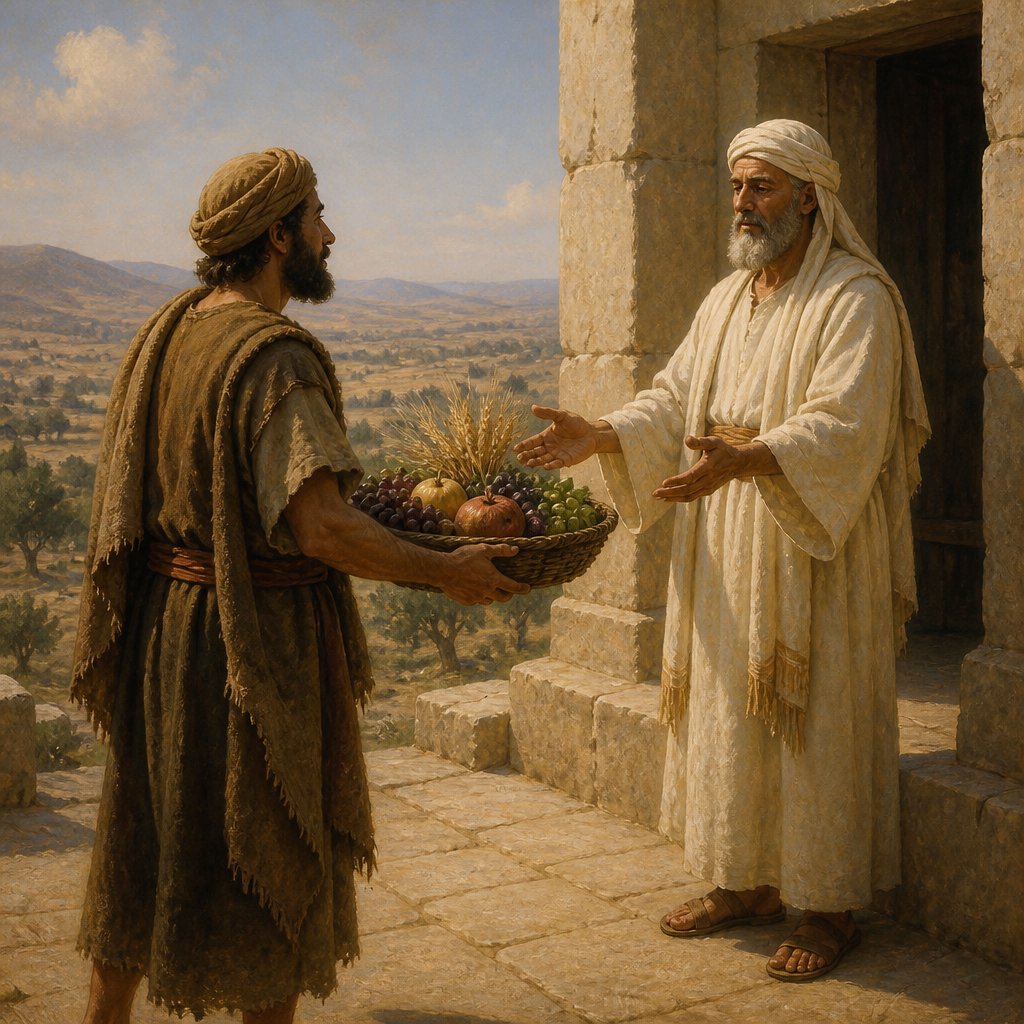
Deuteronomy 26:3 (KJV) reads: "And thou shalt go unto the priest that shall be in those days, and say unto him, I profess this day unto the LORD thy God, that I am come unto the country which the LORD sware unto our fathers for to give us."
In this verse, we see the Israelites being instructed to go to the priest and make a profession to the Lord their God. This act is a significant part of the process of offering the firstfruits of the land, as outlined in the following verses of Deuteronomy 26. The Israelites were to bring forth a basket of the firstfruits of the land to the priest, and make a declaration before the Lord, acknowledging His faithfulness in bringing them into the promised land.
One of the main themes in this verse is the importance of acknowledging and professing the blessings and provisions that come from God. The act of going to the priest and making a profession before the Lord was a way for the Israelites to express their gratitude and recognition of God's faithfulness in fulfilling His promises to their forefathers. It was a tangible way for them to show their trust and reliance on God as their provider.
The context of this verse is also important to consider. The book of Deuteronomy is often seen as a book of remembrance and covenant renewal for the Israelites. It takes place as the Israelites are on the brink of entering the promised land after years of wandering in the wilderness. As they prepare to enter the land flowing with milk and honey, they are reminded of the covenant God made with their forefathers, and are given instructions on how to live in obedience to God in their new home.
The act of bringing the firstfruits to the priest and making a profession before the Lord was a way for the Israelites to demonstrate their commitment to God and to acknowledge His sovereignty over their lives and the land they were about to inherit. It was a way for them to declare their dependence on God and to honor Him as the ultimate source of all their blessings.
In terms of symbolism, this verse can be seen as a foreshadowing of the Christian practice of tithing and offering. Just as the Israelites were commanded to bring the firstfruits of their land to the priest and acknowledge God as the provider, Christian believers are called to give a portion of their income as a way to honor God and support the work of the church. It also serves as a way for believers to express their gratitude and dependence on God as their provider.
Overall, Deuteronomy 26:3 is a powerful reminder of the importance of acknowledging and professing the blessings and provisions that come from God. It serves as a call to gratitude and recognition of God's faithfulness and sovereignty in our lives. It also highlights the significance of making tangible expressions of our trust and reliance on God as our provider. As we reflect on this verse, may we be inspired to continually acknowledge and profess the blessings and provisions that come from God in our own lives, and to live in grateful obedience to Him.
Have questions about Deuteronomy 26:3?
Dive deeper into this scripture with Bible Chat — an AI-powered tool for exploring God's Word through conversation. Ask questions, get context, and grow in your understanding of the Bible.
Get Our Apps


Deuteronomy 26:3 Artwork

Deuteronomy 26:3 - "And thou shalt go unto the priest that shall be in those days, and say unto him, I profess this day unto the LORD thy God, that I am come unto the country which the LORD sware unto our fathers for to give us."
"And thou shalt go unto the priest that shall be in those days, and say unto him, I profess this day unto the LORD thy God, that I am come unto the country which the LORD sware unto our fathers for to give us." - Deuteronomy 26:3

Deuteronomy 3:26 - "But the LORD was wroth with me for your sakes, and would not hear me: and the LORD said unto me, Let it suffice thee; speak no more unto me of this matter."

Deuteronomy 26:4-10

Deuteronomy 26:4-10

Deuteronomy 11:26 - "¶ Behold, I set before you this day a blessing and a curse;"

Deuteronomy 26:6 - "And the Egyptians evil entreated us, and afflicted us, and laid upon us hard bondage:"

Deuteronomy 1:26 - "Notwithstanding ye would not go up, but rebelled against the commandment of the LORD your God:"

Deuteronomy 27:26 - "Cursed be he that confirmeth not all the words of this law to do them. And all the people shall say, Amen."

Deuteronomy 2:26 - "¶ And I sent messengers out of the wilderness of Kedemoth unto Sihon king of Heshbon with words of peace, saying,"

Deuteronomy 26:9 - "And he hath brought us into this place, and hath given us this land, even a land that floweth with milk and honey."

Deuteronomy 26:8 - "And the LORD brought us forth out of Egypt with a mighty hand, and with an outstretched arm, and with great terribleness, and with signs, and with wonders:"

Deuteronomy 26:4 - "And the priest shall take the basket out of thine hand, and set it down before the altar of the LORD thy God."

Deuteronomy 31:26 - "Take this book of the law, and put it in the side of the ark of the covenant of the LORD your God, that it may be there for a witness against thee."

Deuteronomy 33:26 - "¶ There is none like unto the God of Jeshurun, who rideth upon the heaven in thy help, and in his excellency on the sky."

Isaiah 26:3

Deuteronomy 5:26 - "For who is there of all flesh, that hath heard the voice of the living God speaking out of the midst of the fire, as we have, and lived?"

Deuteronomy 29:26 - "For they went and served other gods, and worshipped them, gods whom they knew not, and whom he had not given unto them:"
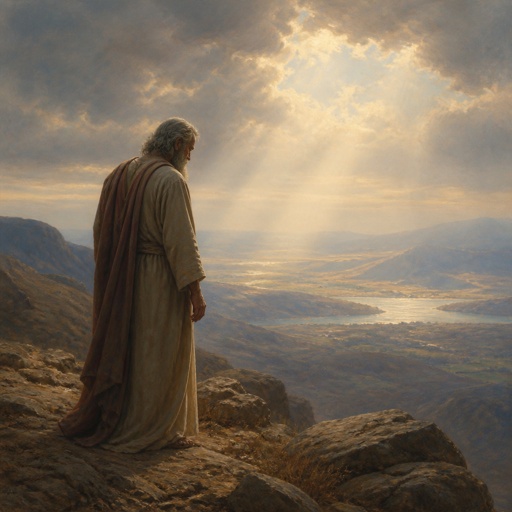
"But the LORD was wroth with me for your sakes, and would not hear me: and the LORD said unto me, Let it suffice thee; speak no more unto me of this matter." - Deuteronomy 3:26

Deuteronomy 28:26 - "And thy carcase shall be meat unto all fowls of the air, and unto the beasts of the earth, and no man shall fray them away."

Deuteronomy 3:15 - "And I gave Gilead unto Machir."

Deuteronomy 32:26 - "I said, I would scatter them into corners, I would make the remembrance of them to cease from among men:"

Deuteronomy 3:23 - "And I besought the LORD at that time, saying,"

Deuteronomy 14:3 - "¶ Thou shalt not eat any abominable thing."

Deuteronomy 26:1 - "And it shall be, when thou art come in unto the land which the LORD thy God giveth thee for an inheritance, and possessest it, and dwellest therein;"

Deuteronomy 26:18 - "And the LORD hath avouched thee this day to be his peculiar people, as he hath promised thee, and that thou shouldest keep all his commandments;"
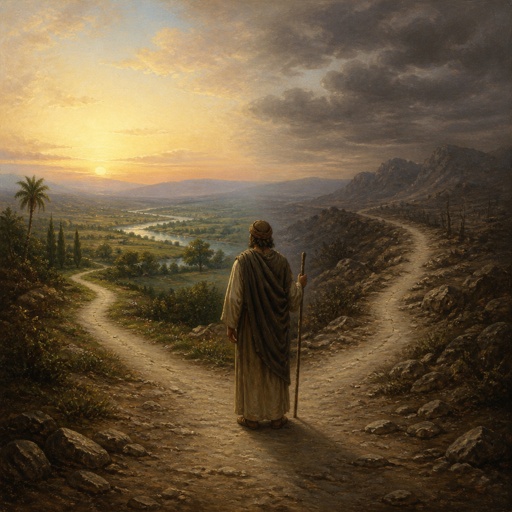
"¶ Behold, I set before you this day a blessing and a curse;" - Deuteronomy 11:26

Deuteronomy 26:7 - "And when we cried unto the LORD God of our fathers, the LORD heard our voice, and looked on our affliction, and our labour, and our oppression:"

Deuteronomy 12:26 - "Only thy holy things which thou hast, and thy vows, thou shalt take, and go unto the place which the LORD shall choose:"

Deuteronomy 3:29 - "So we abode in the valley over against Beth-peor."