What does Deuteronomy 26:17 mean?
"Thou hast avouched the LORD this day to be thy God, and to walk in his ways, and to keep his statutes, and his commandments, and his judgments, and to hearken unto his voice:" - Deuteronomy 26:17
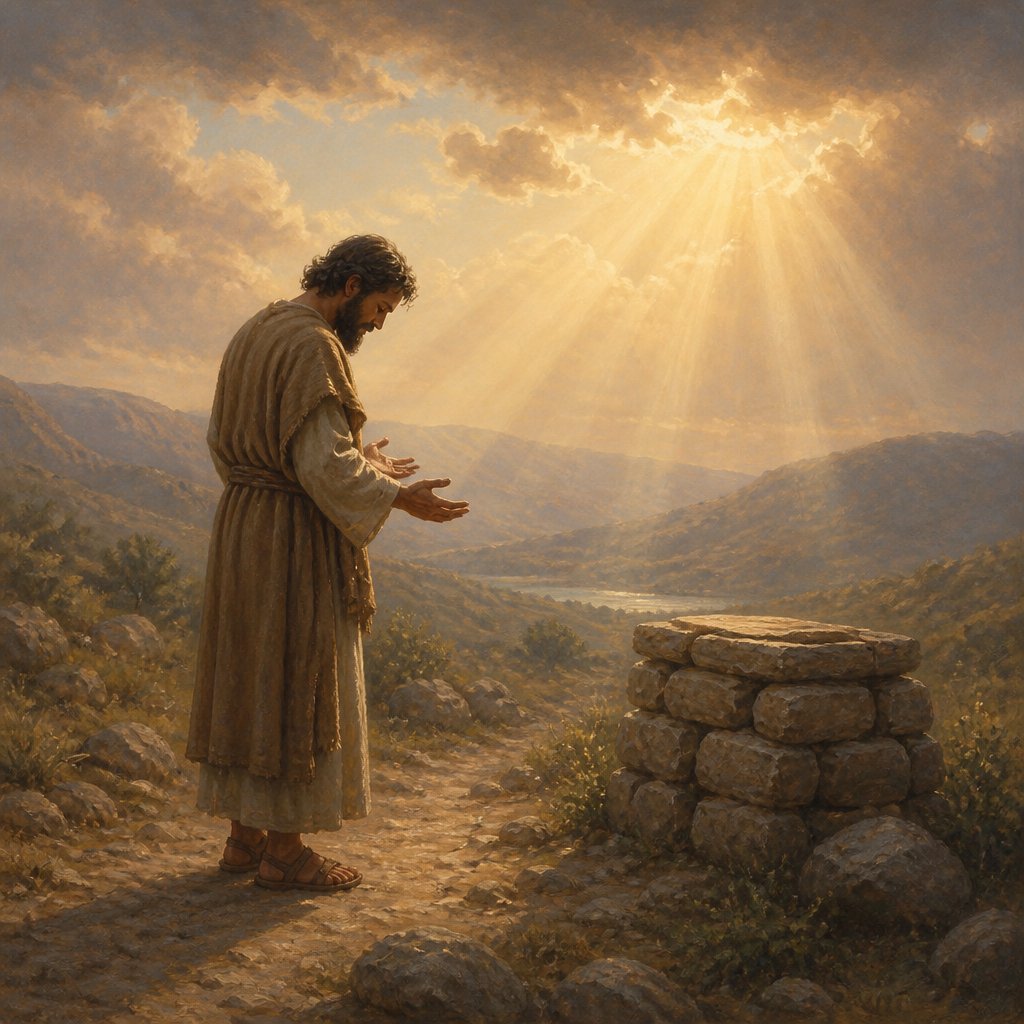
Deuteronomy 26:17 (KJV) states, "Thou hast avouched the Lord this day to be thy God, and to walk in his ways, and to keep his statutes, and his commandments, and his judgments, and to hearken unto his voice."
This verse from the book of Deuteronomy is part of a larger passage in which Moses instructs the Israelites on the importance of acknowledging and obeying the Lord. The verse serves as a reminder for the people to make a solemn declaration of their commitment to God and his laws. It also emphasizes the importance of active, intentional, and wholehearted obedience to God's will.
The themes in this verse are commitment, obedience, and faith. The passage emphasizes the covenant relationship between God and the Israelites, and the need for them to remain faithful and obedient in their relationship with God. It underscores the idea that choosing God means committing to walk in his ways, keep his statutes, commandments, and judgments, and listen to his voice.
The historical context of this verse is significant. The book of Deuteronomy is a record of Moses' farewell address to the Israelites, given as they were poised to enter the Promised Land. After their years of wandering in the wilderness, the Israelites were about to take possession of the land that God had promised to their ancestors. The significance of this moment was not lost on Moses, who used this opportunity to remind the people of the covenant they had with God and the responsibilities that came with it.
In this verse, the act of avouching the Lord as their God was a public declaration made by the Israelites, committing themselves to follow God's laws and live according to his will. This declaration was a reaffirmation of their commitment to the covenant that God had made with them, and it was a pledge to remain obedient and faithful to him.
The symbolism in this verse lies in the actions and attitudes it represents. “Avouching the Lord” denotes a public declaration of faith and commitment. It is an outward expression of an inner belief and a personal choice to align oneself with God. “Walking in his ways” symbolizes the idea of living a life that is in accordance with God's principles and values. It implies a deliberate and purposeful lifestyle that reflects one's faith in God. “Keeping his statutes, commandments, and judgments” signifies the obedience and adherence to God's laws and guidelines. It represents a willingness to submit to God's authority and to uphold his standards. “Hearken unto his voice” speaks to the importance of listening and responding to God's guidance and direction. It symbolizes a posture of receptiveness, attentiveness, and submission to God's will.
Ultimately, this verse underscores the idea that true faith in God requires more than just verbal acknowledgment; it demands action and obedience. It emphasizes the necessity of a genuine and committed relationship with God, and it serves as a call to wholehearted devotion and fidelity to his commands.
In conclusion, Deuteronomy 26:17 captures the essence of the covenantal relationship between God and the Israelites, and by extension, between God and his people. It is a powerful reminder of the significance of faith, obedience, and commitment in the life of a believer. It challenges us to consider the depth of our commitment to God and the sincerity of our obedience to his will. It prompts us to reflect on the ways in which we are avouching the Lord as our God, walking in his ways, keeping his commandments, and hearkening unto his voice in our own lives. This verse continues to resonate with believers today as a timeless call to wholehearted devotion and fidelity to God.
Have questions about Deuteronomy 26:17?
Dive deeper into this scripture with Bible Chat — an AI-powered tool for exploring God's Word through conversation. Ask questions, get context, and grow in your understanding of the Bible.
Get Our Apps


Deuteronomy 26:17 Artwork

Deuteronomy 26:17 - "Thou hast avouched the LORD this day to be thy God, and to walk in his ways, and to keep his statutes, and his commandments, and his judgments, and to hearken unto his voice:"
"Thou hast avouched the LORD this day to be thy God, and to walk in his ways, and to keep his statutes, and his commandments, and his judgments, and to hearken unto his voice:" - Deuteronomy 26:17

Deuteronomy 26:4-10

Deuteronomy 26:4-10

Deuteronomy 5:17 - "Thou shalt not kill."

Deuteronomy 11:26 - "¶ Behold, I set before you this day a blessing and a curse;"

Genesis 17-26

Deuteronomy 14:17 - "And the pelican, and the gier eagle, and the cormorant,"

Deuteronomy 2:17 - "That the LORD spake unto me, saying,"

Deuteronomy 28:17 - "Cursed shall be thy basket and thy store."

Hechos 5, 17-26

Luke 5:17-26

Deuteronomy 26:6 - "And the Egyptians evil entreated us, and afflicted us, and laid upon us hard bondage:"

Deuteronomy 1:26 - "Notwithstanding ye would not go up, but rebelled against the commandment of the LORD your God:"

"Thou shalt not kill." - Deuteronomy 5:17

Deuteronomy 23:17 - "¶ There shall be no whore of the daughters of Israel, nor a sodomite of the sons of Israel."

Numbers 26:17 - "Of Arod, the family of the Arodites: of Areli, the family of the Arelites."

Deuteronomy 17:13 - "And all the people shall hear, and fear, and do no more presumptuously."

Deuteronomy 17:17 - "Neither shall he multiply wives to himself, that his heart turn not away: neither shall he greatly multiply to himself silver and gold."

Deuteronomy 27:26 - "Cursed be he that confirmeth not all the words of this law to do them. And all the people shall say, Amen."

Deuteronomy 2:26 - "¶ And I sent messengers out of the wilderness of Kedemoth unto Sihon king of Heshbon with words of peace, saying,"

2 Samuel 17:26 - "So Israel and Absalom pitched in the land of Gilead."

Deuteronomy 26:9 - "And he hath brought us into this place, and hath given us this land, even a land that floweth with milk and honey."

Deuteronomy 26:8 - "And the LORD brought us forth out of Egypt with a mighty hand, and with an outstretched arm, and with great terribleness, and with signs, and with wonders:"

Deuteronomy 26:4 - "And the priest shall take the basket out of thine hand, and set it down before the altar of the LORD thy God."

Deuteronomy 31:26 - "Take this book of the law, and put it in the side of the ark of the covenant of the LORD your God, that it may be there for a witness against thee."

Deuteronomy 33:26 - "¶ There is none like unto the God of Jeshurun, who rideth upon the heaven in thy help, and in his excellency on the sky."

Deuteronomy 4:17 - "The likeness of any beast that is on the earth, the likeness of any winged fowl that flieth in the air,"

"And the pelican, and the gier eagle, and the cormorant," - Deuteronomy 14:17

Genesis 17:26 - "In the selfsame day was Abraham circumcised, and Ishmael his son."