What does Deuteronomy 26:12 mean?
"¶ When thou hast made an end of tithing all the tithes of thine increase the third year, which is the year of tithing, and hast given it unto the Levite, the stranger, the fatherless, and the widow, that they may eat within thy gates, and be filled;" - Deuteronomy 26:12
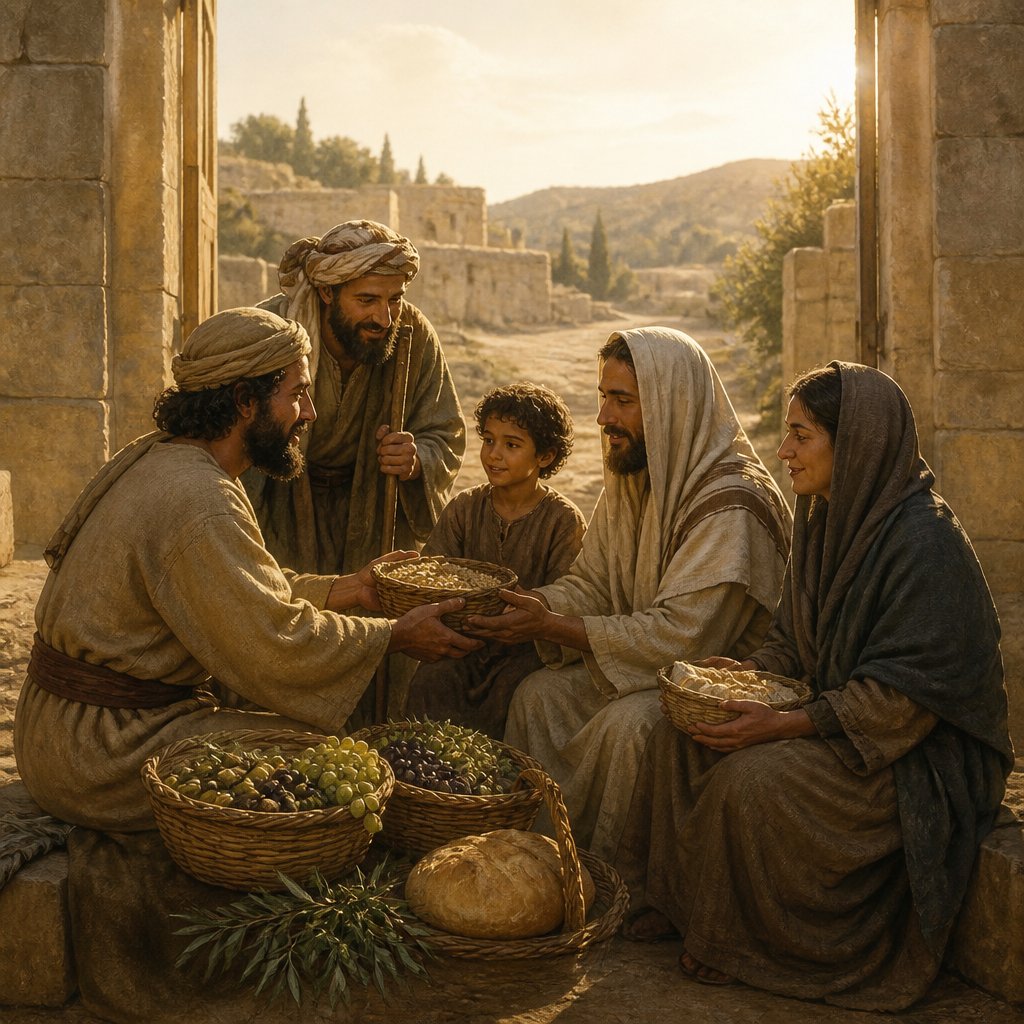
Deuteronomy 26:12 (KJV) states: "When thou hast made an end of tithing all the tithes of thine increase the third year, which is the year of tithing, and hast given it unto the Levite, the stranger, the fatherless, and the widow, that they may eat within thy gates, and be filled."
The book of Deuteronomy, which is the fifth book of the Old Testament, is considered by many scholars to be a code of law rather than a historical narrative. It contains the final instructions of Moses to the Israelites before they enter the promised land, and it emphasizes the importance of following God's commandments.
In this particular verse, Moses is instructing the Israelites on the practice of tithing. Tithing refers to the act of giving a tenth of one's income to the Lord, and it was a common practice in ancient Israel. The verse specifies that the tithes are to be collected and given every third year, and they are to be distributed to the Levites, strangers, orphans, and widows. This was done so that those who were in need would have enough to eat and be satisfied.
The act of tithing is an important theme in the Bible, and it is often associated with the idea of stewardship. By giving back a portion of their income to God, the Israelites were acknowledging that all their possessions ultimately belonged to him. It was a way of demonstrating their gratitude and obedience to God's commands. In the New Testament, Jesus also speaks about the importance of tithing, emphasizing the spiritual significance of giving generously to support God's work on earth.
The specific groups mentioned in the verse - the Levites, strangers, orphans, and widows - also hold symbolic significance. The Levites were the tribe of priests and religious leaders who were responsible for ministering to the people and performing the service of the tabernacle. By giving them a portion of the tithes, the Israelites were supporting the spiritual needs of the community.
The mention of strangers (or foreigners), orphans, and widows reflects the biblical emphasis on caring for the vulnerable and marginalized members of society. Throughout the Bible, God commands his people to treat these groups with compassion and justice, as they are often at risk of exploitation and neglect. By including them in the distribution of the tithes, the Israelites were demonstrating their commitment to social justice and communal solidarity.
In a broader sense, this verse conveys the principle of sharing and communal responsibility. It emphasizes the importance of caring for one another and ensuring that everyone has enough to meet their basic needs. It also challenges the Israelites to cultivate a spirit of generosity and compassion, recognizing that the blessings they have received from God are meant to be shared with others.
From a historical and cultural context, this verse reflects the social structure of ancient Israel, where the Levites and the marginalized groups mentioned were dependent on the support of the community for their livelihood. The practice of tithing served as a means of providing for their needs and reinforcing the sense of unity and mutual support within the society.
In conclusion, Deuteronomy 26:12 is a verse that speaks to the importance of tithing, social justice, and communal responsibility. It highlights the biblical principles of stewardship, generosity, and care for the vulnerable, and it calls upon believers to live out these values in their everyday lives. As such, it continues to serve as a source of inspiration and guidance for Christians in their journey of faith.
Have questions about Deuteronomy 26:12?
Dive deeper into this scripture with Bible Chat — an AI-powered tool for exploring God's Word through conversation. Ask questions, get context, and grow in your understanding of the Bible.
Get Our Apps


Deuteronomy 26:12 Artwork

Deuteronomy 26:12 - "¶ When thou hast made an end of tithing all the tithes of thine increase the third year, which is the year of tithing, and hast given it unto the Levite, the stranger, the fatherless, and the widow, that they may eat within thy gates, and be filled;"
"¶ When thou hast made an end of tithing all the tithes of thine increase the third year, which is the year of tithing, and hast given it unto the Levite, the stranger, the fatherless, and the widow, that they may eat within thy gates, and be filled;" - Deuteronomy 26:12

Deuteronomy 12:26 - "Only thy holy things which thou hast, and thy vows, thou shalt take, and go unto the place which the LORD shall choose:"

Deuteronomy 26:4-10

Deuteronomy 26:4-10

Deuteronomy 11:26 - "¶ Behold, I set before you this day a blessing and a curse;"

Deuteronomy 26:6 - "And the Egyptians evil entreated us, and afflicted us, and laid upon us hard bondage:"

Genisis 26:12

Deuteronomy 1:26 - "Notwithstanding ye would not go up, but rebelled against the commandment of the LORD your God:"
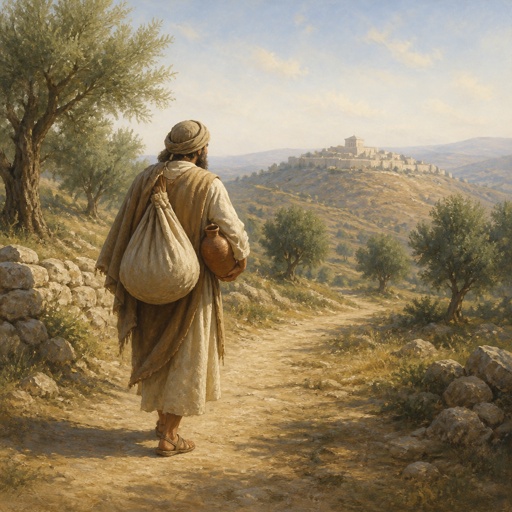
"Only thy holy things which thou hast, and thy vows, thou shalt take, and go unto the place which the LORD shall choose:" - Deuteronomy 12:26

Deuteronomy 27:26 - "Cursed be he that confirmeth not all the words of this law to do them. And all the people shall say, Amen."

Deuteronomy 2:26 - "¶ And I sent messengers out of the wilderness of Kedemoth unto Sihon king of Heshbon with words of peace, saying,"

Luke 12:25-26

Luke 12:25-26

Luke 12:25-26

Luke 12:25-26

Luke 12:25-26
Luke 12:25-26

Luke 12:25-26

Deuteronomy 26:9 - "And he hath brought us into this place, and hath given us this land, even a land that floweth with milk and honey."

Deuteronomy 26:8 - "And the LORD brought us forth out of Egypt with a mighty hand, and with an outstretched arm, and with great terribleness, and with signs, and with wonders:"

Deuteronomy 26:4 - "And the priest shall take the basket out of thine hand, and set it down before the altar of the LORD thy God."

Deuteronomy 31:26 - "Take this book of the law, and put it in the side of the ark of the covenant of the LORD your God, that it may be there for a witness against thee."

Deuteronomy 33:26 - "¶ There is none like unto the God of Jeshurun, who rideth upon the heaven in thy help, and in his excellency on the sky."

Deuteronomy 14:12 - "But these are they of which ye shall not eat: the eagle, and the ossifrage, and the ospray,"

Deuteronomy 24:12 - "And if the man be poor, thou shalt not sleep with his pledge:"

Deuteronomy 5:26 - "For who is there of all flesh, that hath heard the voice of the living God speaking out of the midst of the fire, as we have, and lived?"

Deuteronomy 29:26 - "For they went and served other gods, and worshipped them, gods whom they knew not, and whom he had not given unto them:"

Deuteronomy 12:4 - "Ye shall not do so unto the LORD your God."

Deuteronomy 28:26 - "And thy carcase shall be meat unto all fowls of the air, and unto the beasts of the earth, and no man shall fray them away."