What does Deuteronomy 25:17 mean?
"¶ Remember what Amalek did unto thee by the way, when ye were come forth out of Egypt;" - Deuteronomy 25:17
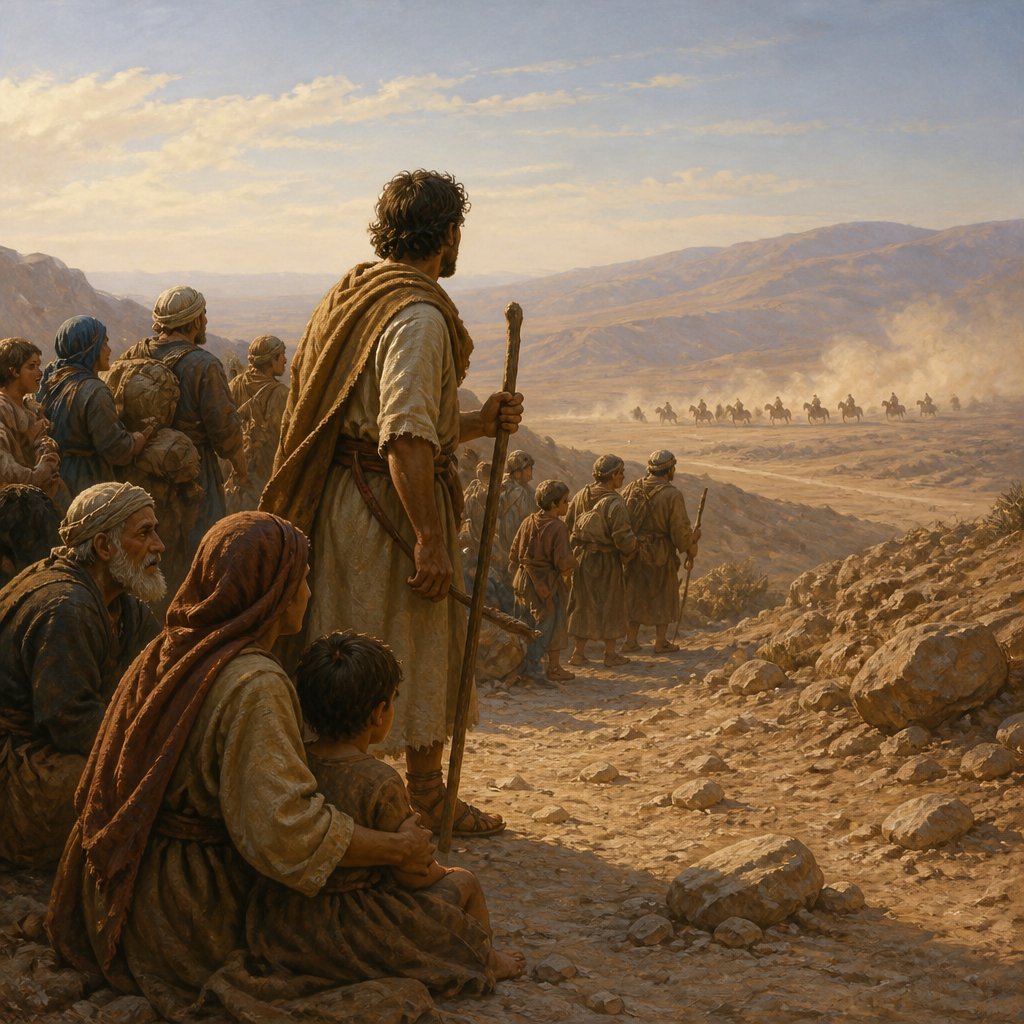
Deuteronomy 25:17 in the King James Version reads, "Remember what Amalek did unto thee by the way, when ye were come forth out of Egypt."
This verse is part of the Book of Deuteronomy, which is the fifth book of the Hebrew Bible and of the Old Testament. The book is part of the Torah, which is the foundational text of Judaism. Deuteronomy is a collection of speeches delivered by Moses, in which he addresses the Israelites before they enter the Promised Land. The book is considered to be a series of farewell addresses given by Moses to the Israelites, as he recounts their history and instructs them on how to live according to God's law.
In the context of Deuteronomy 25:17, the verse serves as a reminder to the Israelites of the injustice and aggression they suffered at the hands of the Amalekites as they journeyed from Egypt to the Promised Land. This event is described in Exodus 17:8-16, where the Amalekites attacked the Israelites, and the Israelites were able to prevail in battle with the help of God.
The theme of remembrance is central to this verse, as it calls upon the Israelites to recall the actions of their enemies and the assistance provided by God. The Amalekites' attack on the Israelites is a formative experience in their history, and it serves as a touchstone for the Israelites to remember both the trauma they endured and the faithfulness of God in delivering them from their enemies.
The mention of the Amalekites in this verse also carries symbolic significance. Throughout the Bible, the Amalekites are portrayed as a symbol of evil and opposition to God's people. Their attack on the Israelites is not simply a historical event, but it also represents the ongoing struggle between good and evil, and the necessity for the Israelites to remain vigilant in the face of such opposition.
Moreover, the Israelites' victory over the Amalekites is attributed to the intervention of God, emphasizing the idea that their success is ultimately dependent on divine assistance. This serves as a reminder to the Israelites of their reliance on God and the need for faith in the midst of adversity.
The verse also carries implications for the Israelites regarding their own conduct. Just as they were attacked by the Amalekites, the Israelites are also reminded of their own responsibility to uphold God's law and to show compassion and justice to others. The memory of the Amalekites' aggression serves as a cautionary tale for the Israelites, urging them to act with righteousness and to remain faithful to God.
In the broader context of the Bible, the theme of remembrance is prevalent throughout both the Old and New Testaments. The act of remembering serves as a means of honoring the faithfulness of God and reflecting on the history of God's people. It also reinforces the importance of passing down traditions and teachings from one generation to the next.
In summary, Deuteronomy 25:17 in the King James Version is a verse that encapsulates a significant aspect of the Israelites' history and their relationship with God. It serves as a reminder of the Israelites' past suffering at the hands of the Amalekites, the intervention of God in delivering them, and the ongoing responsibility of the Israelites to live according to God's law. The verse also carries symbolic and thematic significance, emphasizing the importance of remembrance, reliance on God, and the moral imperative to act with righteousness.
Have questions about Deuteronomy 25:17?
Dive deeper into this scripture with Bible Chat — an AI-powered tool for exploring God's Word through conversation. Ask questions, get context, and grow in your understanding of the Bible.
Get Our Apps


Deuteronomy 25:17 Artwork

Deuteronomy 25:17 - "¶ Remember what Amalek did unto thee by the way, when ye were come forth out of Egypt;"
"¶ Remember what Amalek did unto thee by the way, when ye were come forth out of Egypt;" - Deuteronomy 25:17

Deuteronomy 5:17 - "Thou shalt not kill."

Deuteronomy 14:17 - "And the pelican, and the gier eagle, and the cormorant,"

Genesis 25-17

Genesis 17-25

Deuteronomy 25:13 - "¶ Thou shalt not have in thy bag divers weights, a great and a small."

Deuteronomy 25:4 - "¶ Thou shalt not muzzle the ox when he treadeth out the corn."

Deuteronomy 2:17 - "That the LORD spake unto me, saying,"

Deuteronomy 31:25 - "That Moses commanded the Levites, which bare the ark of the covenant of the LORD, saying,"

Deuteronomy 25:14 - "Thou shalt not have in thine house divers measures, a great and a small."

Deuteronomy 28:17 - "Cursed shall be thy basket and thy store."

Joshua 6:17-25

Numbers 25:17 - "Vex the Midianites, and smite them:"

Deuteronomy 33:25 - "Thy shoes shall be iron and brass; and as thy days, so shall thy strength be."

Deuteronomy 25:10 - "And his name shall be called in Israel, The house of him that hath his shoe loosed."

Deuteronomy 25:16 - "For all that do such things, and all that do unrighteously, are an abomination unto the LORD thy God."

"Thou shalt not kill." - Deuteronomy 5:17

Deuteronomy 23:17 - "¶ There shall be no whore of the daughters of Israel, nor a sodomite of the sons of Israel."

Deuteronomy 17:13 - "And all the people shall hear, and fear, and do no more presumptuously."

Deuteronomy 27:25 - "Cursed be he that taketh reward to slay an innocent person. And all the people shall say, Amen."

Deuteronomy 17:17 - "Neither shall he multiply wives to himself, that his heart turn not away: neither shall he greatly multiply to himself silver and gold."

Deuteronomy 4:17 - "The likeness of any beast that is on the earth, the likeness of any winged fowl that flieth in the air,"

"And the pelican, and the gier eagle, and the cormorant," - Deuteronomy 14:17

Deuteronomy 18:17 - "And the LORD said unto me, They have well spoken that which they have spoken."

Deuteronomy 3:25 - "I pray thee, let me go over, and see the good land that is beyond Jordan, that goodly mountain, and Lebanon."

Deuteronomy 25:1 - "If there be a controversy between men, and they come unto judgment, that the judges may judge them; then they shall justify the righteous, and condemn the wicked."

Deuteronomy 32:25 - "The sword without, and terror within, shall destroy both the young man and the virgin, the suckling also with the man of gray hairs."

Deuteronomy 27:17 - "Cursed be he that removeth his neighbour's landmark. And all the people shall say, Amen."

Luke 17:25 - "But first must he suffer many things, and be rejected of this generation."