What does Deuteronomy 24:2 mean?
"And when she is departed out of his house, she may go and be another man's wife." - Deuteronomy 24:2
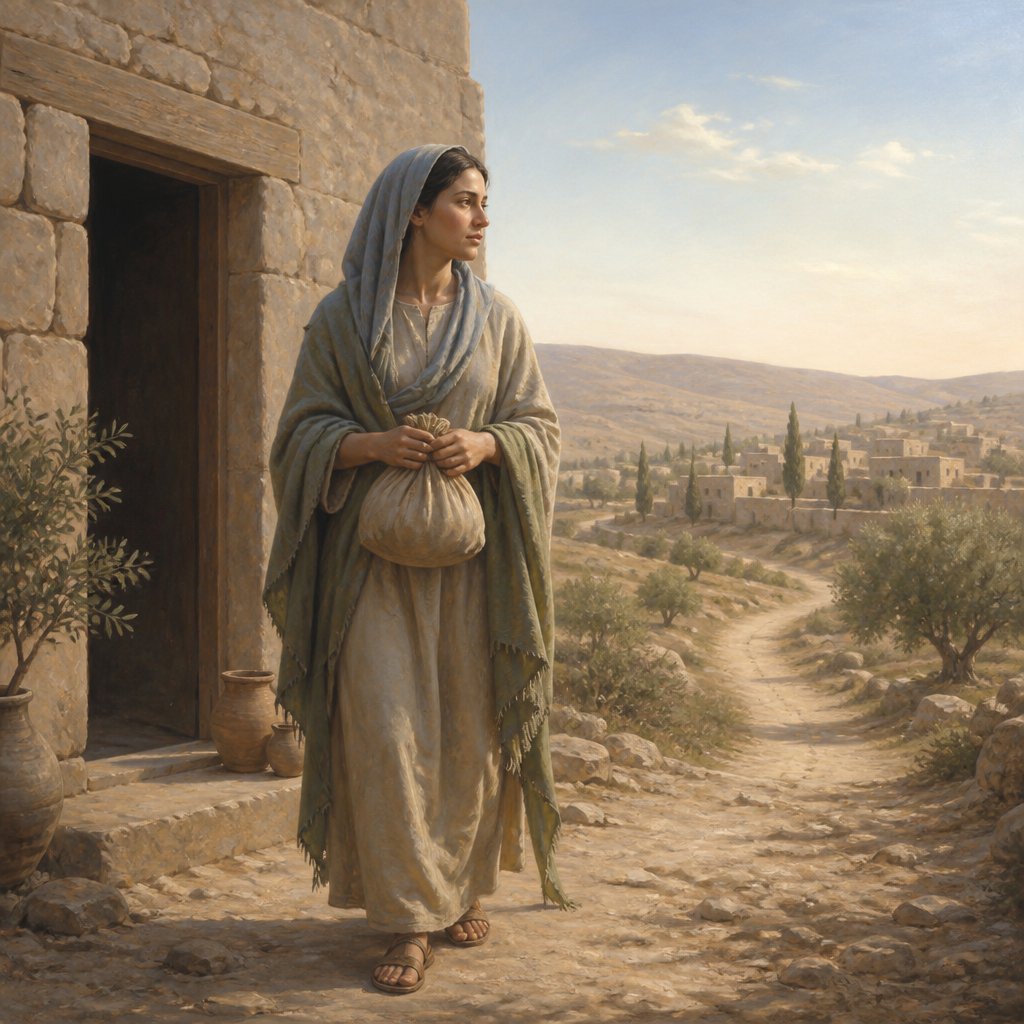
Deuteronomy 24:2 (KJV) states, “And when she is departed out of his house, she may go and be another man's wife.” This verse is part of the Old Testament law found in Deuteronomy, which is a book of the Bible that contains a series of speeches made by Moses to the Israelites just before they entered the Promised Land. The laws contained within the book of Deuteronomy are part of the Mosaic Law and provide guidance for the Israelites on how to live their lives in accordance with God’s will.
In the context of Deuteronomy 24:2, this verse is part of a passage that deals with the issue of divorce and remarriage. The full passage can be found in Deuteronomy 24:1-4, which states:
“When a man hath taken a wife, and married her, and it come to pass that she find no favour in his eyes, because he hath found some uncleanness in her: then let him write her a bill of divorcement, and give it in her hand, and send her out of his house. And when she is departed out of his house, she may go and be another man's wife. And if the latter husband hate her, and write her a bill of divorcement, and giveth it in her hand, and sendeth her out of his house; or if the latter husband die, which took her to be his wife; Her former husband, which sent her away, may not take her again to be his wife, after that she is defiled; for that is abomination before the LORD: and thou shalt not cause the land to sin, which the LORD thy God giveth thee for an inheritance.”
In this passage, the law regarding divorce and remarriage is being addressed. The verse in question, Deuteronomy 24:2, specifically deals with the woman’s ability to remarry after being divorced from her first husband. It states that once she has left her first husband’s house, she is free to marry another man. This verse reflects the patriarchal society in which these laws were written, where women were often seen as property belonging to their husbands.
The theme of marriage, divorce, and remarriage in this passage reflects the social and cultural norms of the time, as well as God’s intention for human relationships. It is important to note that in the New Testament, Jesus provides further teachings on the issue of divorce and remarriage in Matthew 19:3-9, where he emphasizes the importance of the marriage covenant and the seriousness of divorce.
The symbolism in Deuteronomy 24:2 can be seen in the imagery of marriage and the significance of the marital union. Marriage is often used throughout the Bible as a metaphor for the relationship between God and his people. In the Old Testament, the prophets often used the imagery of marriage to depict the covenantal relationship between God and Israel, with God as the faithful husband and Israel as the unfaithful wife.
In the broader context of the Bible, marriage is a sacred institution that is meant to reflect the selfless love, commitment, and fidelity that God has for his people. Therefore, the laws regarding divorce and remarriage in Deuteronomy are meant to uphold the sanctity of marriage and to protect the well-being of those involved.
Overall, Deuteronomy 24:2 provides insight into the biblical laws surrounding divorce and remarriage, as well as the cultural and societal norms of the ancient Israelites. While the specific laws regarding divorce and remarriage may not directly apply to modern society, the underlying principles of commitment, fidelity, and respect for the marital union are still valuable and relevant today. This verse serves as a reminder of the importance of marital faithfulness and the sacredness of the marriage covenant.
Have questions about Deuteronomy 24:2?
Dive deeper into this scripture with Bible Chat — an AI-powered tool for exploring God's Word through conversation. Ask questions, get context, and grow in your understanding of the Bible.
Get Our Apps


Deuteronomy 24:2 Artwork

Deuteronomy 24:2 - "And when she is departed out of his house, she may go and be another man's wife."
"And when she is departed out of his house, she may go and be another man's wife." - Deuteronomy 24:2

Deuteronomy 2:24 - "¶ Rise ye up, take your journey, and pass over the river Arnon: behold, I have given into thine hand Sihon the Amorite, king of Heshbon, and his land: begin to possess it, and contend with him in battle."

Deuteronomy 24:12 - "And if the man be poor, thou shalt not sleep with his pledge:"

Deuteronomy 4:24 - "For the LORD thy God is a consuming fire, even a jealous God."

Deuteronomy 12:24 - "Thou shalt not eat it; thou shalt pour it upon the earth as water."

Deuteronomy 1:24 - "And they turned and went up into the mountain, and came unto the valley of Eshcol, and searched it out."

Deuteronomy 9:24 - "Ye have been rebellious against the LORD from the day that I knew you."

Deuteronomy 27:24 - "Cursed be he that smiteth his neighbour secretly. And all the people shall say, Amen."

Deuteronomy 24:17 - "¶ Thou shalt not pervert the judgment of the stranger, nor of the fatherless; nor take a widow's raiment to pledge:"

Deuteronomy 24:6 - "¶ No man shall take the nether or the upper millstone to pledge: for he taketh a man's life to pledge."

Deuteronomy 24:21 - "When thou gatherest the grapes of thy vineyard, thou shalt not glean it afterward: it shall be for the stranger, for the fatherless, and for the widow."

Deuteronomy 24:22 - "And thou shalt remember that thou wast a bondman in the land of Egypt: therefore I command thee to do this thing."

Deuteronomy 31:24 - "¶ And it came to pass, when Moses had made an end of writing the words of this law in a book, until they were finished,"

Deuteronomy 24:9 - "Remember what the LORD thy God did unto Miriam by the way, after that ye were come forth out of Egypt."

Deuteronomy 24:11 - "Thou shalt stand abroad, and the man to whom thou dost lend shall bring out the pledge abroad unto thee."

Deuteronomy 24:10 - "¶ When thou dost lend thy brother any thing, thou shalt not go into his house to fetch his pledge."

Deuteronomy 24:20 - "When thou beatest thine olive tree, thou shalt not go over the boughs again: it shall be for the stranger, for the fatherless, and for the widow."

"And if the man be poor, thou shalt not sleep with his pledge:" - Deuteronomy 24:12

Deuteronomy 2:2 - "And the LORD spake unto me, saying,"

Deuteronomy 29:24 - "Even all nations shall say, Wherefore hath the LORD done thus unto this land? what meaneth the heat of this great anger?"

Deuteronomy 33:24 - "¶ And of Asher he said, Let Asher be blessed with children; let him be acceptable to his brethren, and let him dip his foot in oil."

Deuteronomy 24:14 - "¶ Thou shalt not oppress an hired servant that is poor and needy, whether he be of thy brethren, or of thy strangers that are in thy land within thy gates:"

Deuteronomy 28:24 - "The LORD shall make the rain of thy land powder and dust: from heaven shall it come down upon thee, until thou be destroyed."

"For the LORD thy God is a consuming fire, even a jealous God." - Deuteronomy 4:24

Deuteronomy 6:24 - "And the LORD commanded us to do all these statutes, to fear the LORD our God, for our good always, that he might preserve us alive, as it is at this day."

Deuteronomy 24:16 - "The fathers shall not be put to death for the children, neither shall the children be put to death for the fathers: every man shall be put to death for his own sin."

Deuteronomy 24:18 - "But thou shalt remember that thou wast a bondman in Egypt, and the LORD thy God redeemed thee thence: therefore I command thee to do this thing."

"Thou shalt not eat it; thou shalt pour it upon the earth as water." - Deuteronomy 12:24

Deuteronomy 23:24 - "¶ When thou comest into thy neighbour's vineyard, then thou mayest eat grapes thy fill at thine own pleasure; but thou shalt not put any in thy vessel."