What does Deuteronomy 24:14-15 mean?
"You shall not oppress an hired servant that is poor and needy, whether he be of thy brethren, or of thy strangers that are in thy land within thy gates: At his day thou shalt give him his hire, neither shall the sun go down upon it; for he is poor, and setteth his heart upon it: lest he cry against thee unto the Lord, and it be sin unto thee." - Deuteronomy 24:14-15
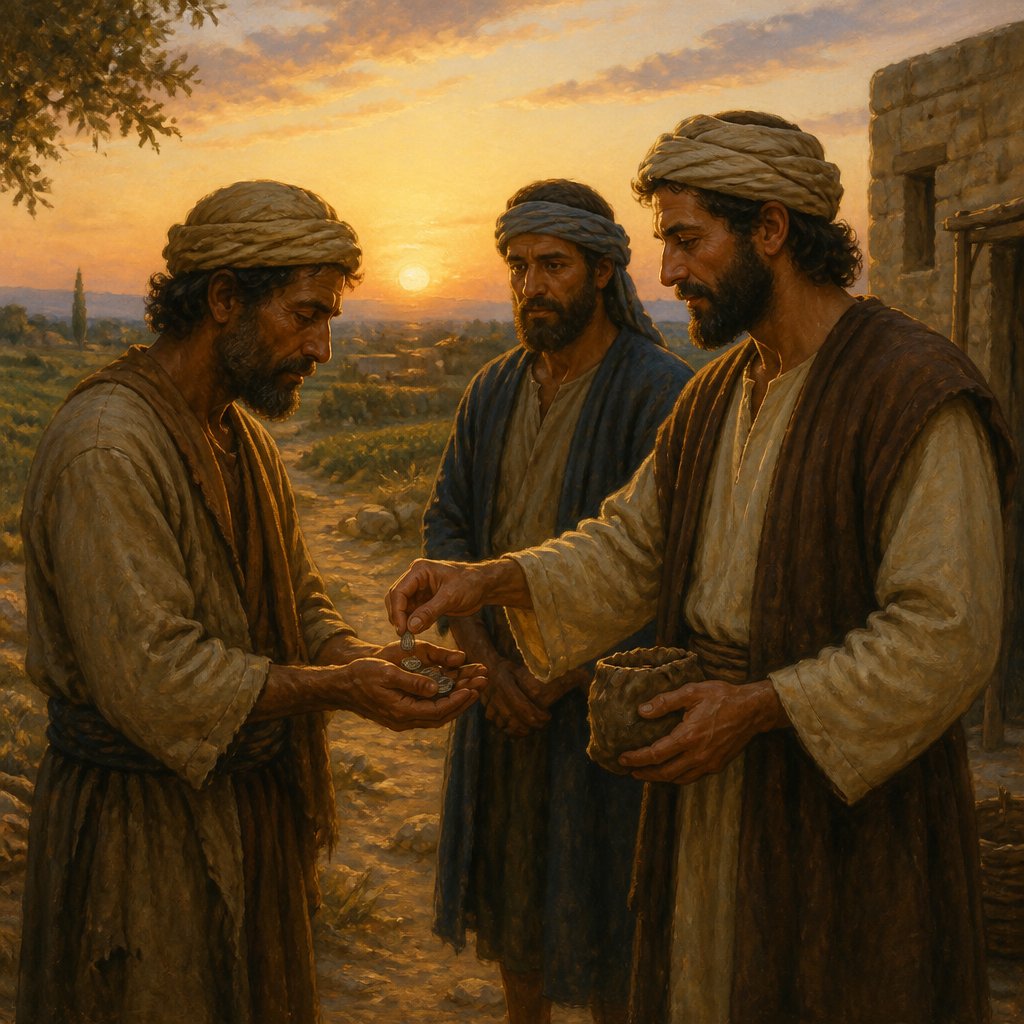
Deuteronomy 24:14-15 from the King James Version of the Bible:
"14 Thou shalt not oppress an hired servant that is poor and needy, whether he be of thy brethren, or of thy strangers that are in thy land within thy gates:
15 At his day thou shalt give him his hire, neither shall the sun go down upon it; for he is poor, and setteth his heart upon it: lest he cry against thee unto the Lord, and it be sin unto thee."
The book of Deuteronomy, which literally means "second law", is the fifth book of the Hebrew Bible and is part of the Jewish Torah. It consists largely of three speeches given by Moses shortly before the Israelites entered the Promised Land. It is primarily a book of laws and encompasses a wide range of instructions to the Israelites in various aspects of their lives. Deuteronomy 24:14-15 specifically addresses the treatment of hired servants, emphasizing fair and just treatment towards those who are poor and needy.
The context of these verses comes in the midst of a section of laws that govern various aspects of daily life. In the preceding verses, there are laws concerning the treatment of widows and orphans, as well as regulations for lending and borrowing. The verses following 14-15 discuss the importance of leaving sheaves in the field for the poor and the stranger. This section of Deuteronomy is concerned with the ethical treatment of the vulnerable and marginalized in society.
At the core of these two verses is the call for just treatment of those who are economically disadvantaged. It serves as a reminder that everyone, regardless of their social status or economic standing, deserves to be treated with dignity and respect. The Israelites are admonished not to take advantage of the poor and needy, whether they are fellow Israelites or foreigners living among them. This principle of treating others fairly and justly is an important theme throughout the Bible and is emphasized in many other passages.
The command to pay a hired servant promptly at the end of each day reflects God's concern for the vulnerable and the importance of ensuring their well-being. The phrase "lest he cry against thee unto the Lord, and it be sin unto thee" underscores the seriousness of mistreating those who are in a subordinate position. It is a strong warning to the Israelites that God hears the cries of the oppressed and will hold them accountable for their actions.
The themes of justice, fairness, and compassion are central to these verses. They echo throughout the Bible and are foundational to the teachings of Jesus in the New Testament. The call to care for the poor and needy is a recurring theme in both the Old and New Testaments, emphasizing the overarching message of love and compassion for others.
Symbolically, these verses serve as a reminder of the importance of living in a way that reflects God's character. They challenge the Israelites, and by extension, all believers, to be mindful of their treatment of others, especially those who are in vulnerable positions. In a broader sense, they highlight the broader theme of social justice and the responsibility of individuals and communities to address the needs of the marginalized.
In conclusion, Deuteronomy 24:14-15 conveys a powerful message about the moral obligation to treat others with fairness and dignity. It provides a clear instruction for just treatment of the poor and needy, urging the Israelites to act with compassion and integrity in their interactions with others. These verses continue to hold significant relevance for believers today, serving as a timeless reminder of the importance of social justice and ethical conduct.
Have questions about Deuteronomy 24:14-15?
Dive deeper into this scripture with Bible Chat — an AI-powered tool for exploring God's Word through conversation. Ask questions, get context, and grow in your understanding of the Bible.
Get Our Apps


Deuteronomy 24:14-15 Artwork

Deuteronomy 24:14-15 - "You shall not oppress a hired servant who is poor and needy, whether he is one of your countrymen or one of your aliens who is in your land in your towns. You shall give him his wages on his day before the sun sets, for he is poor and sets his heart on it; so that he will not cry against you to the Lord and it becomes sin in you."
"You shall not oppress a hired servant who is poor and needy, whether he is one of your countrymen or one of your aliens who is in your land in your towns. You shall give him his wages on his day before the sun sets, for he is poor and sets his heart on it; so that he will not cry against you to the Lord and it becomes sin in you." - Deuteronomy 24:14-15

Deuteronomy 14:15 - "And the owl, and the night hawk, and the cuckow, and the hawk after his kind,"

Deuteronomy 24:14 - "¶ Thou shalt not oppress an hired servant that is poor and needy, whether he be of thy brethren, or of thy strangers that are in thy land within thy gates:"
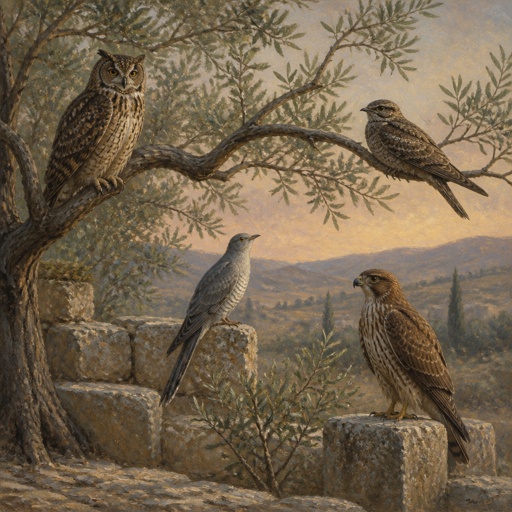
"And the owl, and the night hawk, and the cuckow, and the hawk after his kind," - Deuteronomy 14:15

Deuteronomy 15:14 - "Thou shalt furnish him liberally out of thy flock, and out of thy floor, and out of thy winepress: of that wherewith the LORD thy God hath blessed thee thou shalt give unto him."

Deuteronomy 24:15 - "At his day thou shalt give him his hire, neither shall the sun go down upon it; for he is poor, and setteth his heart upon it: lest he cry against thee unto the LORD, and it be sin unto thee."

Deuteronomy 14:24 - "And if the way be too long for thee, so that thou art not able to carry it; or if the place be too far from thee, which the LORD thy God shall choose to set his name there, when the LORD thy God hath blessed thee:"

Deuteronomy 14:14 - "And every raven after his kind,"

Deuteronomy 24:12 - "And if the man be poor, thou shalt not sleep with his pledge:"

Deuteronomy 4:24 - "For the LORD thy God is a consuming fire, even a jealous God."

Deuteronomy 14:17 - "And the pelican, and the gier eagle, and the cormorant,"

"And every raven after his kind," - Deuteronomy 14:14
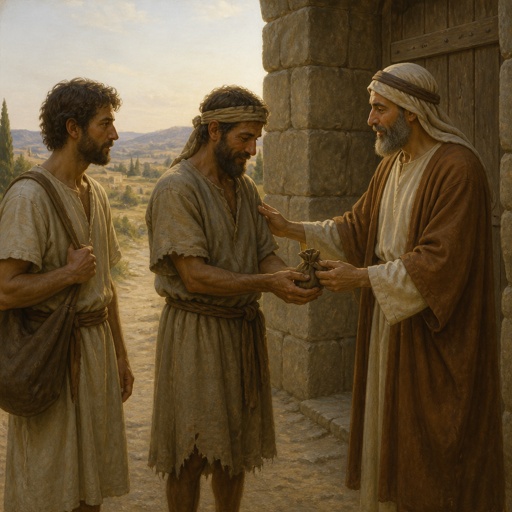
"¶ Thou shalt not oppress an hired servant that is poor and needy, whether he be of thy brethren, or of thy strangers that are in thy land within thy gates:" - Deuteronomy 24:14

Deuteronomy 12:24 - "Thou shalt not eat it; thou shalt pour it upon the earth as water."

Deuteronomy 3:15 - "And I gave Gilead unto Machir."

Genesis 24-15

Joshua 24:15

Deuteronomy 14:16 - "The little owl, and the great owl, and the swan,"

Genesis 24:15

Joshua 24:15

Joshua 24:15

Matthew 24:15

Deuteronomy 1:24 - "And they turned and went up into the mountain, and came unto the valley of Eshcol, and searched it out."

Genesis 24-14

Deuteronomy 14:3 - "¶ Thou shalt not eat any abominable thing."

Deuteronomy 9:24 - "Ye have been rebellious against the LORD from the day that I knew you."

Deuteronomy 27:24 - "Cursed be he that smiteth his neighbour secretly. And all the people shall say, Amen."

Deuteronomy 14:11 - "¶ Of all clean birds ye shall eat."

Deuteronomy 14:20 - "But of all clean fowls ye may eat."