What does Deuteronomy 24:10 mean?
"¶ When thou dost lend thy brother any thing, thou shalt not go into his house to fetch his pledge." - Deuteronomy 24:10
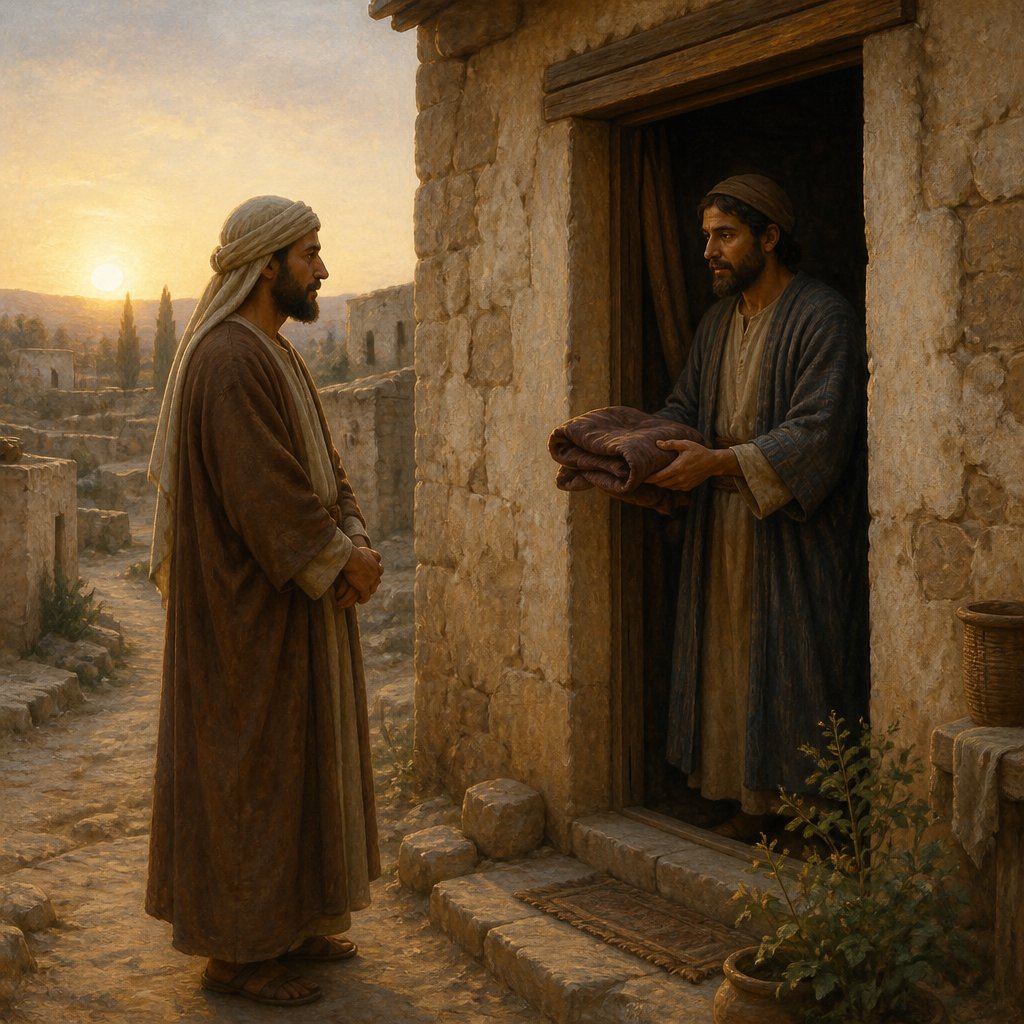
Deuteronomy 24:10 in the King James Version (KJV) of the Bible states, "When thou dost lend thy brother any thing, thou shalt not go into his house to fetch his pledge." This verse is part of the Old Testament, specifically within the book of Deuteronomy, which is the fifth book of the Hebrew Bible and the Christian Old Testament. The book of Deuteronomy is attributed to Moses and is filled with laws, regulations, and instructions for the Israelites as they prepare to enter the Promised Land.
The verse speaks to the importance of compassion and fairness in dealing with one's fellow man, especially when it comes to financial matters. It specifically addresses the practice of taking someone's house or property as a pledge or collateral for a loan. In the ancient world, it was common for lenders to take a borrower's personal belongings as security for a loan. However, this verse instructs against the practice of entering the borrower's house to retrieve the pledge.
On a literal level, this commandment emphasizes the need for respect and privacy. It is a reminder to the lender that the borrower's dignity and personal space should be respected, even in the context of a financial transaction. The borrower's house was considered a sacred space, and this law sought to protect that sanctity.
Furthermore, the verse can be interpreted within a broader moral and ethical context. It is a call for compassion and empathy, highlighting the importance of treating others with fairness and kindness. By prohibiting the lender from entering the borrower's house to retrieve the pledge, the verse promotes a sense of empathy and understanding towards those who are in need. It asks the lender to consider the circumstances of the borrower and to treat them with dignity and respect, even in the context of a financial transaction.
From a religious and spiritual perspective, the verse reflects the biblical principle of loving one's neighbor as oneself. It underscores the importance of treating others with compassion and fairness, principles that are central to the teachings of the Bible. It speaks to the broader theme of social justice and ethical conduct, reminding believers of their responsibility to care for those in need and to conduct their financial dealings with integrity and kindness.
The verse also holds significance in terms of symbolism. In a broader spiritual sense, the borrower's house can be seen as a representation of their identity and personal space. By prohibiting the lender from entering the borrower's house to retrieve the pledge, the verse symbolizes the preservation of individual dignity and autonomy. It serves as a reminder that each person's space and possessions should be respected, regardless of their financial circumstances.
In conclusion, Deuteronomy 24:10 from the King James Version of the Bible carries a rich and meaningful message about compassion, empathy, and ethical conduct in financial dealings. It emphasizes the importance of treating others with respect and kindness, even in the context of loans and pledges. The verse serves as a reminder of the fundamental biblical principle of loving one's neighbor as oneself and calls believers to act with integrity and compassion in all their interactions with others.
Have questions about Deuteronomy 24:10?
Dive deeper into this scripture with Bible Chat — an AI-powered tool for exploring God's Word through conversation. Ask questions, get context, and grow in your understanding of the Bible.
Get Our Apps


Deuteronomy 24:10 Artwork

Deuteronomy 24:10 - "¶ When thou dost lend thy brother any thing, thou shalt not go into his house to fetch his pledge."
"¶ When thou dost lend thy brother any thing, thou shalt not go into his house to fetch his pledge." - Deuteronomy 24:10

Deuteronomy 24:12 - "And if the man be poor, thou shalt not sleep with his pledge:"

Deuteronomy 4:24 - "For the LORD thy God is a consuming fire, even a jealous God."

Deuteronomy 12:24 - "Thou shalt not eat it; thou shalt pour it upon the earth as water."

Deuteronomy 26:4-10

Deuteronomy 1:24 - "And they turned and went up into the mountain, and came unto the valley of Eshcol, and searched it out."

Deuteronomy 26:4-10

Deuteronomy 9:24 - "Ye have been rebellious against the LORD from the day that I knew you."

Deuteronomy 27:24 - "Cursed be he that smiteth his neighbour secretly. And all the people shall say, Amen."

Deuteronomy 24:17 - "¶ Thou shalt not pervert the judgment of the stranger, nor of the fatherless; nor take a widow's raiment to pledge:"

Deuteronomy 24:6 - "¶ No man shall take the nether or the upper millstone to pledge: for he taketh a man's life to pledge."

Deuteronomy 24:2 - "And when she is departed out of his house, she may go and be another man's wife."

Genesis 24:10

Deuteronomy 22:10 - "¶ Thou shalt not plow with an ox and an ass together."

Deuteronomy 10:16 - "Circumcise therefore the foreskin of your heart, and be no more stiffnecked."

Nehemiah 10:24 - "Hallohesh, Pileha, Shobek,"

Deuteronomy 24:21 - "When thou gatherest the grapes of thy vineyard, thou shalt not glean it afterward: it shall be for the stranger, for the fatherless, and for the widow."

Deuteronomy 24:22 - "And thou shalt remember that thou wast a bondman in the land of Egypt: therefore I command thee to do this thing."

Deuteronomy 31:24 - "¶ And it came to pass, when Moses had made an end of writing the words of this law in a book, until they were finished,"

Deuteronomy 24:9 - "Remember what the LORD thy God did unto Miriam by the way, after that ye were come forth out of Egypt."

Deuteronomy 24:20 - "When thou beatest thine olive tree, thou shalt not go over the boughs again: it shall be for the stranger, for the fatherless, and for the widow."

Deuteronomy 24:11 - "Thou shalt stand abroad, and the man to whom thou dost lend shall bring out the pledge abroad unto thee."

Deuteronomy 10:19 - "Love ye therefore the stranger: for ye were strangers in the land of Egypt."

"And if the man be poor, thou shalt not sleep with his pledge:" - Deuteronomy 24:12

Deuteronomy 14:10 - "And whatsoever hath not fins and scales ye may not eat; it is unclean unto you."

Deuteronomy 5:10 - "And shewing mercy unto thousands of them that love me and keep my commandments."

Deuteronomy 2:10 - "The Emims dwelt therein in times past, a people great, and many, and tall, as the Anakims;"

1 Chronicles 24:10 - "The seventh to Hakkoz, the eighth to Abijah,"

Deuteronomy 29:24 - "Even all nations shall say, Wherefore hath the LORD done thus unto this land? what meaneth the heat of this great anger?"