What does Deuteronomy 23:15 mean?
"¶ Thou shalt not deliver unto his master the servant which is escaped from his master unto thee:" - Deuteronomy 23:15

Deuteronomy 23:15 in the King James Version of the Bible says: "Thou shalt not deliver unto his master the servant which is escaped from his master unto thee."
This verse comes from the Book of Deuteronomy, which is the fifth book of the Hebrew Bible and the Christian Old Testament. It is attributed to Moses and contains his final speeches to the Israelites before they enter the Promised Land. The book contains a series of laws and regulations for the Israelites to follow as they establish themselves in their new home.
In the context of the verse, it is important to understand the social and cultural norms of the time. Slavery was a common practice in ancient Israel, as it was in many other ancient civilizations. The laws given in Deuteronomy were intended to govern the treatment of slaves and ensure that they were not subject to unjust or harsh treatment.
The verse is a prohibition against returning a slave who has escaped from their master. This law was significant because it provided protection and a means of freedom for slaves who were able to escape from their oppressive situations. It demonstrated a concern for the welfare of those who were in a position of vulnerability and powerlessness.
The themes present in this verse include justice, compassion, and the value of human life. The law expressed a concern for the rights and dignity of the individual, even those who were considered property in the society of the time. It emphasized the importance of not oppressing or mistreating others, even those who were in a position of servitude.
The verse also holds a larger moral message about the treatment of others and the responsibilities of those in positions of power. It warns against using one's authority to oppress or control others and advocates for the fair and compassionate treatment of all individuals, regardless of their social status.
Symbolically, the verse can be seen as a representation of God's concern for the oppressed and marginalized. It reflects a broader theme present throughout the Bible of God's care for those who are vulnerable and in need. The law given in Deuteronomy 23:15 can be seen as an expression of God's desire for justice and righteousness in human society.
In a broader theological context, the verse can also be interpreted as a reflection of the nature of God's grace and redemption. Just as the slaves were granted freedom when they escaped their masters, so too does God offer liberation and salvation to all who seek it. The verse can be seen as a foreshadowing of the ultimate freedom and deliverance that God offers through Jesus Christ.
Overall, Deuteronomy 23:15 is a powerful and thought-provoking verse that raises important ethical and moral considerations. It reminds us of the value of human life and the responsibility to treat others with compassion and fairness. In a larger theological context, it points to God's concern for the oppressed and vulnerable, and the promise of liberation and redemption that is offered to all through His grace.
Have questions about Deuteronomy 23:15?
Dive deeper into this scripture with Bible Chat — an AI-powered tool for exploring God's Word through conversation. Ask questions, get context, and grow in your understanding of the Bible.
Get Our Apps


Deuteronomy 23:15 Artwork

Deuteronomy 23:15 - "¶ Thou shalt not deliver unto his master the servant which is escaped from his master unto thee:"

"¶ Thou shalt not deliver unto his master the servant which is escaped from his master unto thee:" - Deuteronomy 23:15

"You shall not give up to his master a slave who has escaped from his master to you. He shall dwell with you, in your midst, in the place that he shall choose within one of your towns, wherever it suits him. You shall not wrong him." - Deuteronomy 23:15-16

Deuteronomy 15:23 - "Only thou shalt not eat the blood thereof; thou shalt pour it upon the ground as water."

"Only thou shalt not eat the blood thereof; thou shalt pour it upon the ground as water." - Deuteronomy 15:23

Deuteronomy 11:23

Deuteronomy 3:23 - "And I besought the LORD at that time, saying,"

Deuteronomy 23:22 - "But if thou shalt forbear to vow, it shall be no sin in thee."

Deuteronomy 3:15 - "And I gave Gilead unto Machir."

Deuteronomy 23:8 - "The children that are begotten of them shall enter into the congregation of the LORD in their third generation."

Deuteronomy 23:17 - "¶ There shall be no whore of the daughters of Israel, nor a sodomite of the sons of Israel."

Deuteronomy 23:6 - "Thou shalt not seek their peace nor their prosperity all thy days for ever."

Exodus 15:23

Matthew 15:23
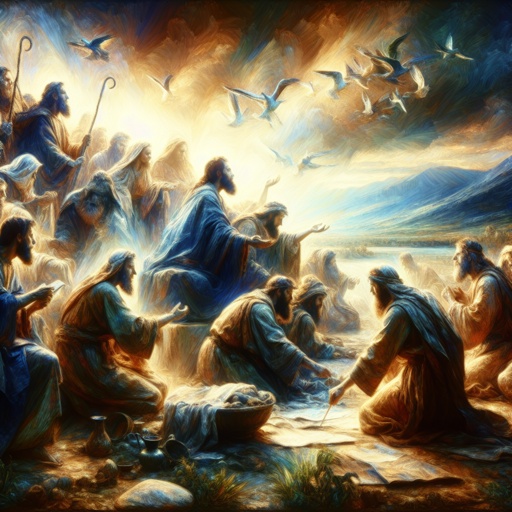
Exodus 15:23

Matthew 15:23

Genesis 23-15
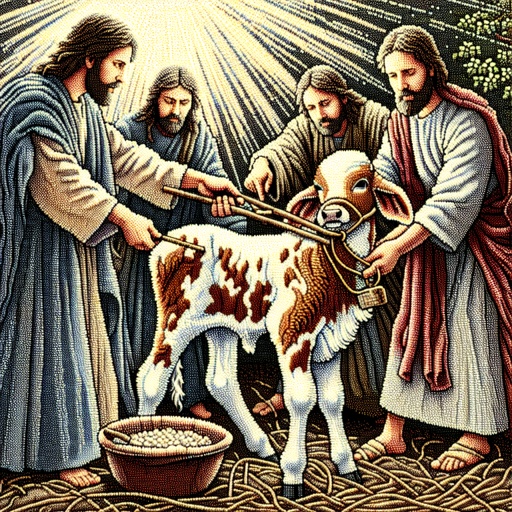
Luke 15:23

Deuteronomy 22:23 - "¶ If a damsel that is a virgin be betrothed unto an husband, and a man find her in the city, and lie with her;"

Deuteronomy 27:23 - "Cursed be he that lieth with his mother in law. And all the people shall say, Amen."

"And I besought the LORD at that time, saying," - Deuteronomy 3:23

Deuteronomy 28:23 - "And thy heaven that is over thy head shall be brass, and the earth that is under thee shall be iron."

Deuteronomy 1:23 - "And the saying pleased me well: and I took twelve men of you, one of a tribe:"

Deuteronomy 32:23 - "I will heap mischiefs upon them; I will spend mine arrows upon them."

Deuteronomy 15:1 - "At the end of every seven years thou shalt make a release."

Deuteronomy 14:15 - "And the owl, and the night hawk, and the cuckow, and the hawk after his kind,"

Deuteronomy 33:15 - "And for the chief things of the ancient mountains, and for the precious things of the lasting hills,"

Joshua 15:23 - "And Kedesh, and Hazor, and Ithnan,"

Leviticus 23:15-22

Ephesians 1:15-23