What does Deuteronomy 22:28 mean?
"¶ If a man find a damsel that is a virgin, which is not betrothed, and lay hold on her, and lie with her, and they be found;" - Deuteronomy 22:28
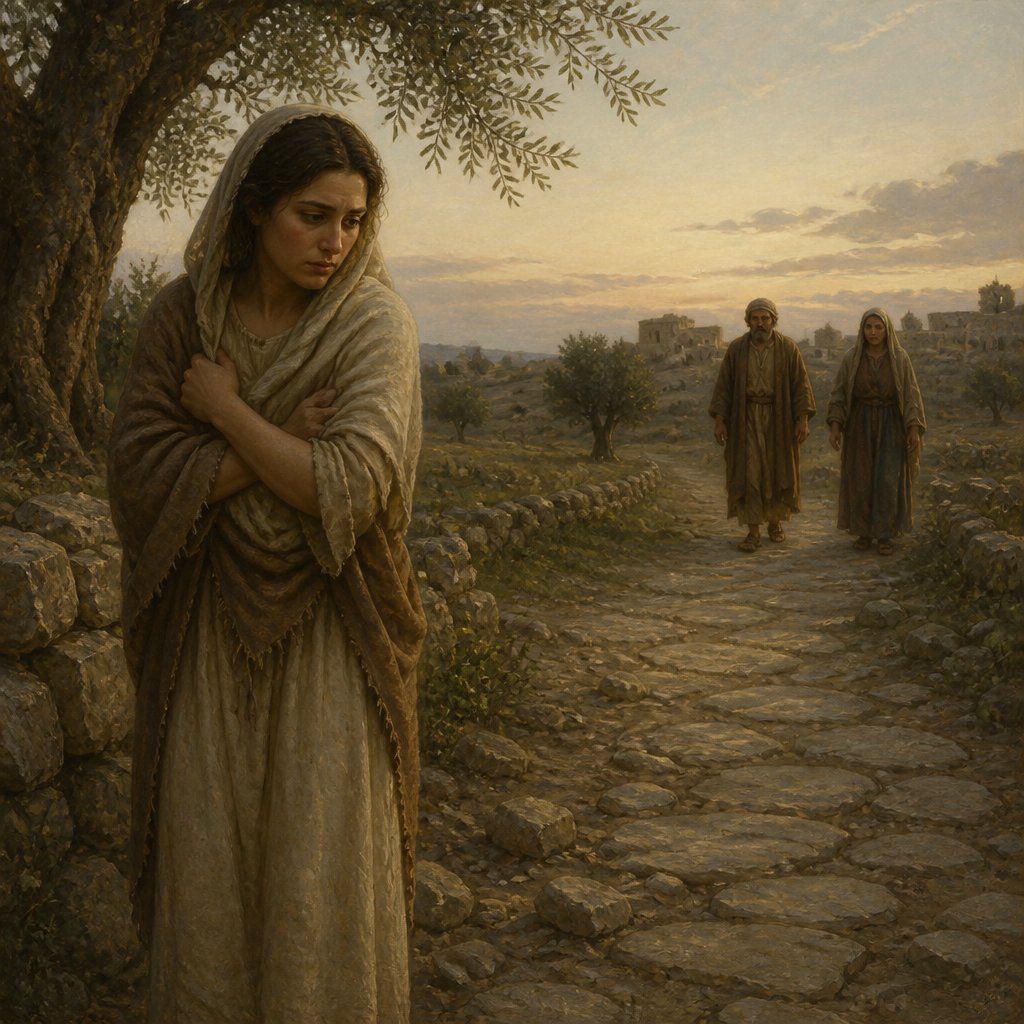
Deuteronomy 22:28 in the King James Version of the Bible reads: "If a man find a damsel that is a virgin, which is not betrothed, and lay hold on her, and lie with her, and they be found;"
This verse is part of a larger section in the book of Deuteronomy that deals with various laws and regulations pertaining to the Israelites. The verse in question is specifically addressing the issue of sexual relations outside of marriage, particularly in the case of an unmarried virgin woman. In ancient Israelite society, virginity was highly valued, and premarital sex was considered a serious transgression.
The verse begins with the scenario of a man "laying hold" of a virgin woman and having sexual relations with her. The phrase "laying hold" implies a forceful or coercive action, suggesting that the woman did not consent to the sexual encounter. This is further emphasized by the clause "and they be found," indicating that the sexual act was discovered, likely implying that the woman cried out or otherwise resisted the man's advances.
The immediate context of this verse is important for understanding its significance. In the preceding verses, Deuteronomy 22:23-27, the punishment for adultery is discussed, with both the man and the woman being subject to the death penalty. In contrast, Deuteronomy 22:28-29 outlines a different set of consequences for the scenario described. If a man forces himself on a virgin who is not betrothed, he is required to pay a dowry to her father and marry her, and he may never divorce her.
This law demonstrates a societal concern for the welfare and protection of unmarried women, as well as the preservation of family honor. By requiring the man to pay a dowry and marry the woman, the law aims to provide financial security for the woman and restore her social standing. Additionally, the man is held accountable for his actions and must take responsibility for the consequences of his behavior.
The theme of justice and accountability is central to this verse. It reflects the ancient Israelites' understanding of responsibility and consequences for one's actions. The law seeks to address the harm done to the woman by ensuring that the man takes responsibility for his actions and provides for her well-being.
The verse also speaks to the broader issue of the treatment of women in ancient society. By imposing these regulations, the law seeks to protect the rights and dignity of unmarried women, particularly in cases of sexual exploitation or abuse. It illustrates God's concern for the vulnerable and marginalized members of society, and the importance of upholding justice and integrity in all relationships.
Symbolically, this verse can be seen as a reflection of God's care and provision for those who have been wronged. In a broader theological sense, it serves as a reminder of the importance of treating others with respect and honoring the sanctity of human relationships. As such, it has implications for contemporary discussions surrounding issues of consent, sexual ethics, and the treatment of women in society. It emphasizes the need for individuals to take responsibility for their actions and to work towards the well-being and dignity of others.
In conclusion, Deuteronomy 22:28 addresses the issue of sexual relations outside of marriage, particularly in the case of an unmarried virgin woman. It emphasizes the importance of justice, accountability, and responsibility in relationships, while also underscoring the need to protect the rights and dignity of vulnerable members of society. As such, it has relevance for ongoing discussions about ethics, consent, and the treatment of women, and serves as a reminder of the principles of justice and integrity that are central to God's law.
Have questions about Deuteronomy 22:28?
Dive deeper into this scripture with Bible Chat — an AI-powered tool for exploring God's Word through conversation. Ask questions, get context, and grow in your understanding of the Bible.
Get Our Apps


Deuteronomy 22:28 Artwork

Deuteronomy 22:28 - "¶ If a man find a damsel that is a virgin, which is not betrothed, and lay hold on her, and lie with her, and they be found;"
"¶ If a man find a damsel that is a virgin, which is not betrothed, and lay hold on her, and lie with her, and they be found;" - Deuteronomy 22:28

Deuteronomy 28:22 - "The LORD shall smite thee with a consumption, and with a fever, and with an inflammation, and with an extreme burning, and with the sword, and with blasting, and with mildew; and they shall pursue thee until thou perish."

Deuteronomy 28:28 - "The LORD shall smite thee with madness, and blindness, and astonishment of heart:"

Deuteronomy 28:5 - "Blessed shall be thy basket and thy store."

Deuteronomy 28:17 - "Cursed shall be thy basket and thy store."

Exodus 22:28

Exodus 22:28

Exodus 22:28

Exodus 22:28

Exodus 22:28

Exodus 22:28

Genesis 28-22

Exodus 22:28

Exodus 22:28

Exodus 22:28

Exodus 22:28

Exodus 22:28

Exodus 22:28

Exodus 22:28

Exodus 22:28

Deuteronomy 32:28 - "For they are a nation void of counsel, neither is there any understanding in them."

"The LORD shall smite thee with madness, and blindness, and astonishment of heart:" - Deuteronomy 28:28

Deuteronomy 28:16 - "Cursed shalt thou be in the city, and cursed shalt thou be in the field."

Deuteronomy 28:3 - "Blessed shalt thou be in the city, and blessed shalt thou be in the field."
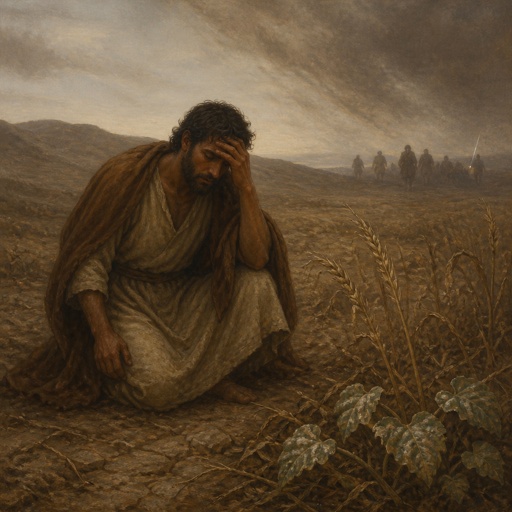
"The LORD shall smite thee with a consumption, and with a fever, and with an inflammation, and with an extreme burning, and with the sword, and with blasting, and with mildew; and they shall pursue thee until thou perish." - Deuteronomy 28:22

Deuteronomy 28:42 - "All thy trees and fruit of thy land shall the locust consume."

Deuteronomy 28:46 - "And they shall be upon thee for a sign and for a wonder, and upon thy seed for ever."

Deuteronomy 22:20 - "But if this thing be true, and the tokens of virginity be not found for the damsel:"

Deuteronomy 22:10 - "¶ Thou shalt not plow with an ox and an ass together."