What does Deuteronomy 21:17 mean?
"But he shall acknowledge the son of the hated for the firstborn, by giving him a double portion of all that he hath: for he is the beginning of his strength; the right of the firstborn is his." - Deuteronomy 21:17
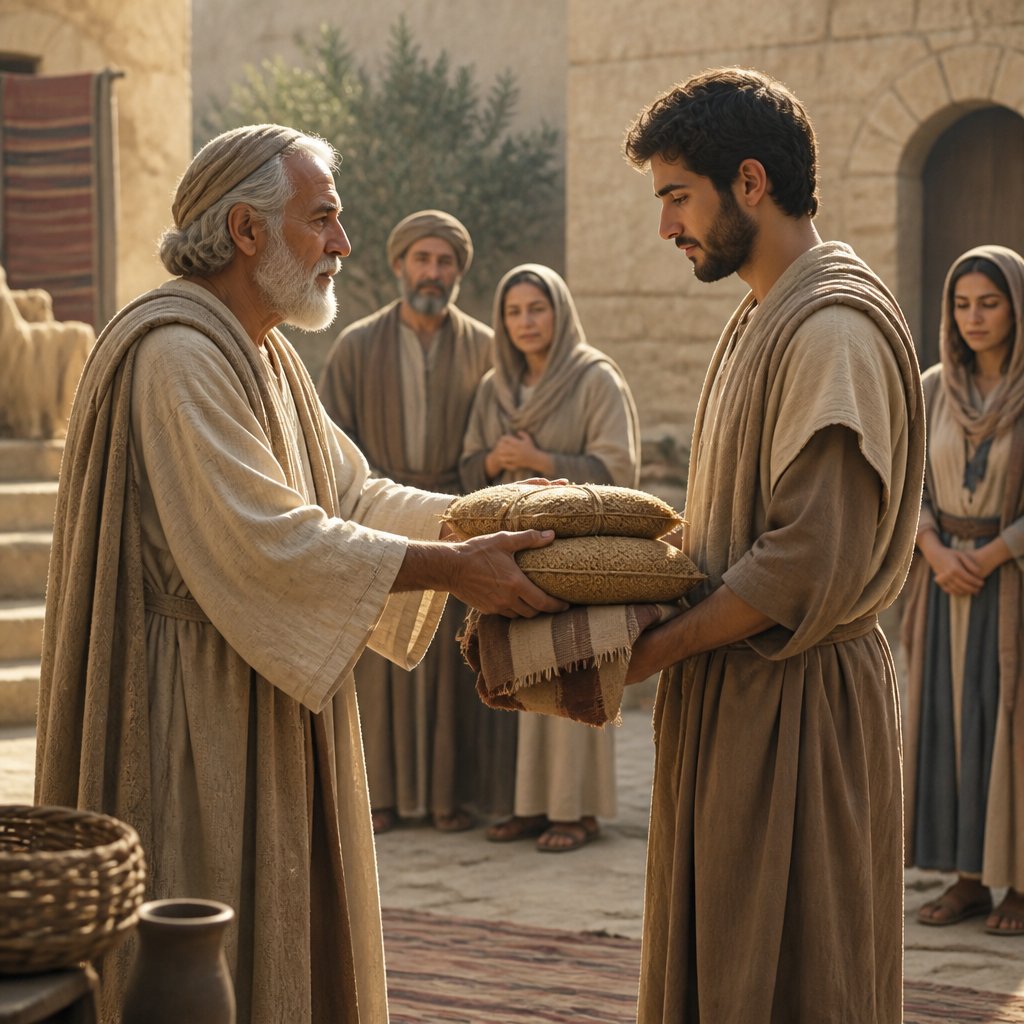
Deuteronomy 21:17 in the King James Version (KJV) of the Bible states, "But he shall acknowledge the son of the hated for the firstborn, by giving him a double portion of all that he hath: for he is the beginning of his strength; the right of the firstborn is his." This verse is part of a larger passage in the Book of Deuteronomy, which contains the laws and instructions given by Moses to the people of Israel before they entered the Promised Land. In this particular verse, the focus is on the rights of the firstborn son.
The context of this verse is within the broader laws of inheritance and family relationships in ancient Israelite society. In ancient times, the firstborn son held a special and privileged position within the family. He was entitled to receive a double portion of his father's inheritance, which was a significant advantage compared to his siblings. This verse reflects the importance of honoring the rights and status of the firstborn within the family structure.
The theme of inheritance and family responsibility is central to this verse. It emphasizes the importance of recognizing and upholding the rights of the firstborn, despite any personal feelings or preferences. The phrase "the son of the hated" refers to a situation where a man has multiple wives, and one is loved more than the other. In such cases, the firstborn son of the less favored wife is still entitled to receive the double portion of inheritance, regardless of the feelings between the parents.
The symbolism in this verse lies in the representation of the firstborn son as the "beginning of his father's strength." This signifies the role of the firstborn as the heir and continuation of the family lineage and legacy. The double portion of inheritance not only represents a material blessing but also symbolizes the spiritual and social responsibilities that come with being the firstborn.
The message conveyed in this verse is one of fairness, justice, and respect for the traditional roles and rights within the family structure. It reinforces the idea of honoring the rightful inheritance and position of the firstborn, regardless of personal feelings or circumstances. It also highlights the principle of upholding family unity and cohesion by acknowledging and respecting each member's status and rights.
From a spiritual standpoint, this verse holds significance in understanding the concept of God's sovereignty and the order He has established in the family and society. It teaches the importance of recognizing and respecting the roles and positions that God has ordained within the family, and it promotes harmony and unity among family members.
In conclusion, Deuteronomy 21:17 in the King James Version of the Bible addresses the rights of the firstborn son within the context of inheritance and family relationships. It emphasizes the importance of honoring the traditional roles and rights within the family structure, regardless of personal feelings or preferences. The verse serves as a reminder of the principles of fairness, justice, and respect for the established order within the family, and it carries symbolic significance in representing the spiritual and social responsibilities of the firstborn. Overall, this verse conveys a message of upholding family unity, acknowledging the rightful inheritance of the firstborn, and recognizing the sovereignty of God in establishing order within the family.
Have questions about Deuteronomy 21:17?
Dive deeper into this scripture with Bible Chat — an AI-powered tool for exploring God's Word through conversation. Ask questions, get context, and grow in your understanding of the Bible.
Get Our Apps


Deuteronomy 21:17 Artwork
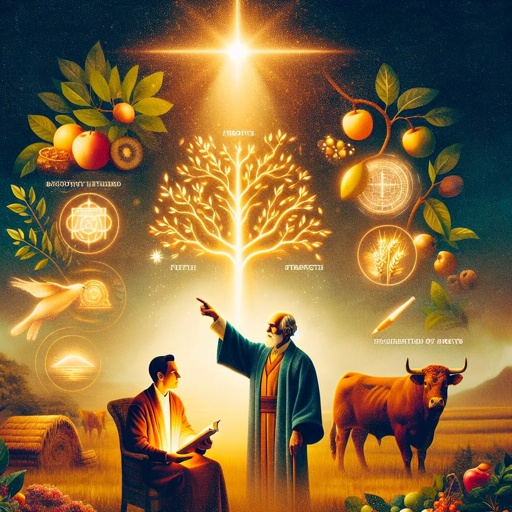
Deuteronomy 21:17 - "But he shall acknowledge the son of the hated for the firstborn, by giving him a double portion of all that he hath: for he is the beginning of his strength; the right of the firstborn is his."
"But he shall acknowledge the son of the hated for the firstborn, by giving him a double portion of all that he hath: for he is the beginning of his strength; the right of the firstborn is his." - Deuteronomy 21:17

1 Timothy 2:1-7

1 Timothy 2:1-7

Deuteronomy 1.1-21

Deuteronomy 5:17 - "Thou shalt not kill."

Deuteronomy 14:17 - "And the pelican, and the gier eagle, and the cormorant,"

Deuteronomy 2:17 - "That the LORD spake unto me, saying,"

Deuteronomy 28:17 - "Cursed shall be thy basket and thy store."

John 21:17

Genesis 17-21

Genesis 21-17

"Thou shalt not kill." - Deuteronomy 5:17

Deuteronomy 23:17 - "¶ There shall be no whore of the daughters of Israel, nor a sodomite of the sons of Israel."

Deuteronomy 17:13 - "And all the people shall hear, and fear, and do no more presumptuously."

Deuteronomy 17:17 - "Neither shall he multiply wives to himself, that his heart turn not away: neither shall he greatly multiply to himself silver and gold."

Matthew 17:14-21

Deuteronomy 27:21 - "Cursed be he that lieth with any manner of beast. And all the people shall say, Amen."

Deuteronomy 4:17 - "The likeness of any beast that is on the earth, the likeness of any winged fowl that flieth in the air,"

"And the pelican, and the gier eagle, and the cormorant," - Deuteronomy 14:17

Deuteronomy 18:17 - "And the LORD said unto me, They have well spoken that which they have spoken."

Deuteronomy 21:21 - "And all the men of his city shall stone him with stones, that he die: so shalt thou put evil away from among you; and all Israel shall hear, and fear."

Deuteronomy 27:17 - "Cursed be he that removeth his neighbour's landmark. And all the people shall say, Amen."

Deuteronomy 7:21 - "Thou shalt not be affrighted at them: for the LORD thy God is among you, a mighty God and terrible."

Deuteronomy 21:7 - "And they shall answer and say, Our hands have not shed this blood, neither have our eyes seen it."

Deuteronomy 18:21 - "And if thou say in thine heart, How shall we know the word which the LORD hath not spoken?"

Deuteronomy 24:17 - "¶ Thou shalt not pervert the judgment of the stranger, nor of the fatherless; nor take a widow's raiment to pledge:"

"That the LORD spake unto me, saying," - Deuteronomy 2:17

Matthew 17:21 - "Howbeit this kind goeth not out but by prayer and fasting."

Deuteronomy 21:22 - "¶ And if a man have committed a sin worthy of death, and he be to be put to death, and thou hang him on a tree:"