What does Deuteronomy 20:15 mean?
"Thus shalt thou do unto all the cities which are very far off from thee, which are not of the cities of these nations." - Deuteronomy 20:15
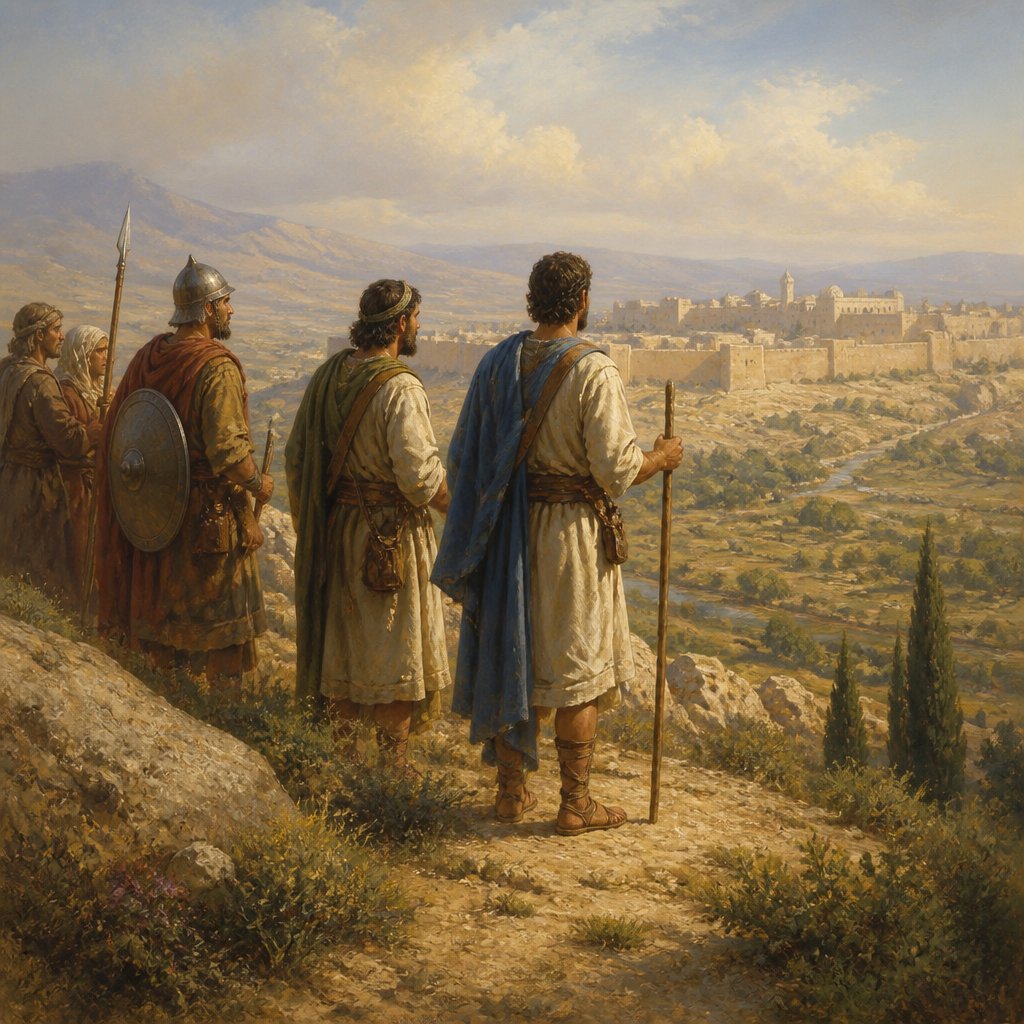
Deuteronomy 20:15 from the King James Version of the Bible states, "Thus shalt thou do unto all the cities which are very far off from thee, which are not of the cities of these nations." At first glance, this verse may seem straightforward and of little importance, but when examining it within its wider context and considering the historical and cultural background of the time, it becomes clear that this verse holds deeper significance.
In the book of Deuteronomy, Moses addresses the Israelites and gives them instructions on how to live according to God's laws and commandments. This particular verse comes in the context of instructions for warfare and conquest, specifically as the Israelites prepared to enter the Promised Land. God had promised this land to the descendants of Abraham, and now they were finally on the brink of entering and taking possession of it. In the preceding verses, God outlines the procedures for warfare which include offering terms of peace to a city before engaging in battle.
The verse in question, Deuteronomy 20:15, specifies that the instructions for battle are specifically for cities that are "very far off" and not part of the current nations surrounding them. This can be seen as a compassionate approach to conquest, as it indicates that the cities closer to them and part of the current nations should be offered terms of peace, rather than going straight to war. However, for cities far off and not part of the current nations, the Israelites were given different instructions.
In understanding the significance of this verse, it is important to consider the overall themes of the book of Deuteronomy. The book emphasizes the importance of obedience to God, the consequences of disobedience, and the covenant relationship between God and His people. This verse reflects the Israelites' role as God's chosen people and their responsibility to fulfill the divine purpose of possessing the Promised Land.
Furthermore, this verse also symbolizes the idea of boundaries and territorial possession. The distinction between cities that were "very far off" and those that were part of the current nations signifies the delineation of their land and the idea of claiming what was rightfully promised to them. This reflects the importance of boundaries and land ownership in the Bible, as well as the concept of divine entitlement to a specific territory.
Another important aspect of this verse is the underlying message of trust and reliance on God. The Israelites were instructed to follow God's commands in their conquest of the land, and this verse serves as a reminder of their need to trust in God's guidance and wisdom as they entered into battle. By adhering to these instructions, the Israelites demonstrated their faith in God's providence and their obedience to His will.
In a broader context, this verse also raises ethical and moral considerations regarding warfare and conquest. It challenges us to consider the principles of just war and the ethical implications of engaging in conflict. The instructions given to the Israelites reflect a degree of mercy and restraint, as they were encouraged to offer terms of peace before resorting to warfare, particularly with cities that were closer to them.
In conclusion, Deuteronomy 20:15 holds significant historical, cultural, and spiritual relevance within the broader context of the Israelites' journey to possess the Promised Land. It signifies their role as God's chosen people, the importance of boundaries and land ownership, and the need for trust and obedience to God. It also prompts us to consider the ethical and moral implications of warfare and conquest. Ultimately, this verse serves as a reminder of the Israelites' obligation to fulfill God's divine purpose and their reliance on His guidance and wisdom.
Have questions about Deuteronomy 20:15?
Dive deeper into this scripture with Bible Chat — an AI-powered tool for exploring God's Word through conversation. Ask questions, get context, and grow in your understanding of the Bible.
Get Our Apps


Deuteronomy 20:15 Artwork

Deuteronomy 20:15 - "Thus shalt thou do unto all the cities which are very far off from thee, which are not of the cities of these nations."
"Thus shalt thou do unto all the cities which are very far off from thee, which are not of the cities of these nations." - Deuteronomy 20:15

Deuteronomy 15:20 - "Thou shalt eat it before the LORD thy God year by year in the place which the LORD shall choose, thou and thy household."

Deuteronomy 20:16

Deuteronomy 20:16

Deuteronomy 20:16

Create a picture of Deuteronomy 11:20

Deuteronomy 22:20 - "But if this thing be true, and the tokens of virginity be not found for the damsel:"

Deuteronomy 14:20 - "But of all clean fowls ye may eat."
"Thou shalt eat it before the LORD thy God year by year in the place which the LORD shall choose, thou and thy household." - Deuteronomy 15:20

Deuteronomy 3:15 - "And I gave Gilead unto Machir."

Deuteronomy 5:20 - "Neither shalt thou bear false witness against thy neighbour."

Genesis 15:20

Genesis 20-15

Deuteronomy 15:1 - "At the end of every seven years thou shalt make a release."

Deuteronomy 14:15 - "And the owl, and the night hawk, and the cuckow, and the hawk after his kind,"

Deuteronomy 20:12 - "And if it will make no peace with thee, but will make war against thee, then thou shalt besiege it:"

Deuteronomy 33:15 - "And for the chief things of the ancient mountains, and for the precious things of the lasting hills,"

Deuteronomy 20:10 - "¶ When thou comest nigh unto a city to fight against it, then proclaim peace unto it."

Deuteronomy 15:15 - "And thou shalt remember that thou wast a bondman in the land of Egypt, and the LORD thy God redeemed thee: therefore I command thee this thing to day."

Genesis 15:20 - "And the Hittites, and the Perizzites, and the Rephaims,"

Exodus 20:15 - "Thou shalt not steal."

Colossians 1:15-20

Colossians 1:15-20

Matthew 15 : 1-20

Deuteronomy 11:20 - "And thou shalt write them upon the door posts of thine house, and upon thy gates:"

Deuteronomy 20:20 - "Only the trees which thou knowest that they be not trees for meat, thou shalt destroy and cut them down; and thou shalt build bulwarks against the city that maketh war with thee, until it be subdued."

Deuteronomy 20:2 - "And it shall be, when ye are come nigh unto the battle, that the priest shall approach and speak unto the people,"

Deuteronomy 20:4 - "For the LORD your God is he that goeth with you, to fight for you against your enemies, to save you."

Deuteronomy 9:20 - "And the LORD was very angry with Aaron to have destroyed him: and I prayed for Aaron also the same time."