What does Deuteronomy 1:42 mean?
"And the LORD said unto me, Say unto them, Go not up, neither fight; for I am not among you; lest ye be smitten before your enemies." - Deuteronomy 1:42
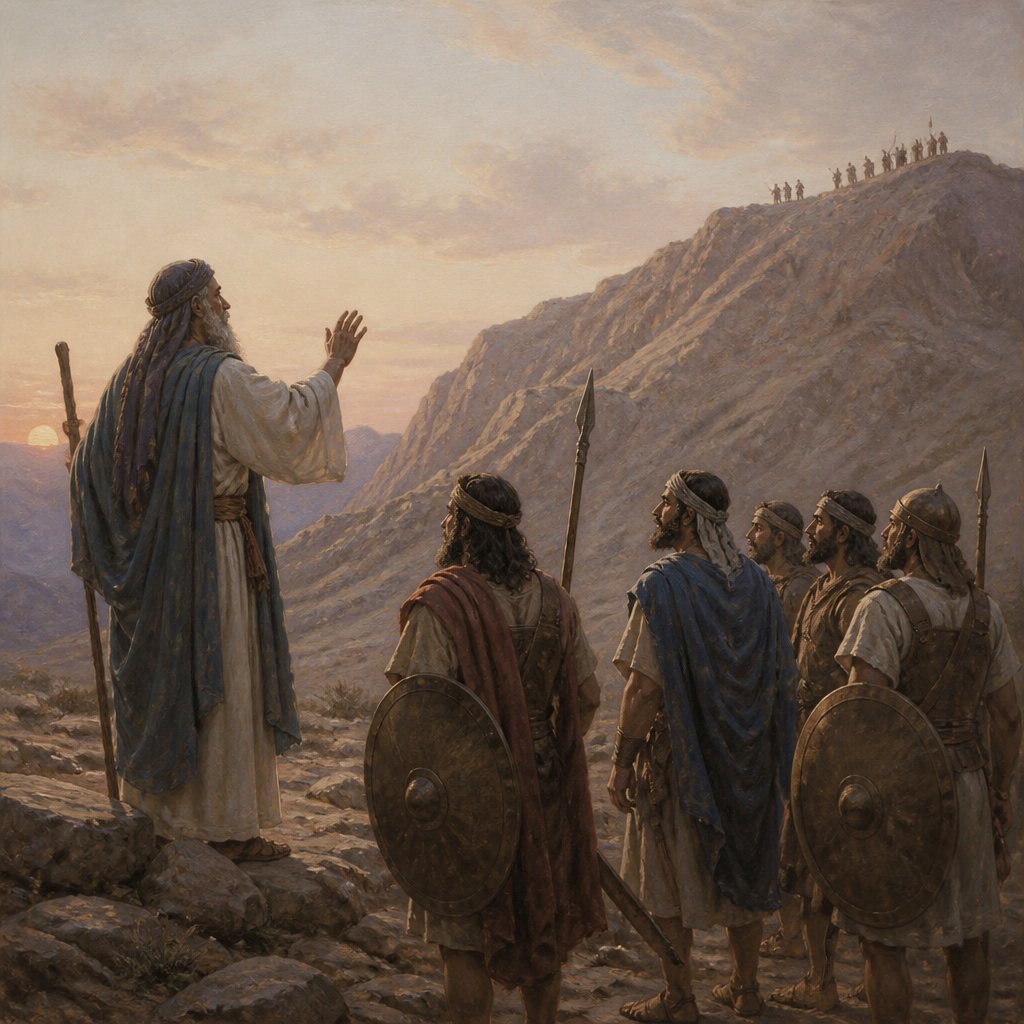
Deuteronomy 1:42 in the King James Version reads, "And the LORD said unto me, Say unto them, Go not up, neither fight; for I am not among you; lest ye be smitten before your enemies." This verse comes from the book of Deuteronomy, which is the fifth book of the Old Testament and is attributed to Moses. In it, Moses recounts the Israelites' journey from Egypt to the Promised Land, and he revisits and reiterates the laws and commandments given by God to the Israelites.
In this particular verse, Moses is reminding the people of God's commandment as they were preparing to enter the Promised Land. The verse contains a warning from God to the Israelites, instructing them not to go up and fight because He was not among them, and they would be defeated by their enemies if they did so. This warning is part of a larger narrative in which God is disciplining the Israelites for their rebellion, lack of faith, and disobedience.
The verse holds several key themes and lessons that are relevant not only to the Israelites at the time but also to believers today. One of the central themes is the importance of relying on and obeying God's guidance. Throughout the Bible, particularly in the Old Testament, we see the recurring theme of God's people being instructed to trust in God's leading and to follow His commandments. In this verse, God's absence from the Israelites' midst signifies the consequence of their disobedience and lack of trust in Him.
Another theme present in this verse is the consequence of disobedience. The Israelites' initial lack of faith and tendency towards rebellion against God had resulted in their inability to enter the Promised Land. This serves as a sobering reminder of the repercussions of disobedience and the importance of faith and trust in God's promises. It also speaks to the idea of divine discipline and the concept of reaping what one sows.
The verse also brings to light the idea of spiritual warfare. The notion that God is not among the Israelites indicates a lack of spiritual protection and suggests that they would be vulnerable to attacks from their enemies. It serves as a reminder that as believers, we are engaged in a spiritual battle, and our armor and strength come from God. Without His presence and guidance, we are left defenseless and susceptible to defeat.
In terms of context, this verse comes at a crucial point in the Israelites' journey, as they are on the brink of entering the Promised Land. It serves as a turning point in their story, marking the consequences of their disobedience and lack of faith. It also sets the stage for the subsequent generation to learn from their ancestors' mistakes and to trust in God wholeheartedly.
Symbolically, the absence of God among the Israelites represents the absence of His favor and protection. It illustrates the importance of God's presence and the dire consequences of walking outside of His will. Additionally, the warning to not fight serves as a reminder of the futility of human effort without God's guidance and strength.
In conclusion, Deuteronomy 1:42 carries profound implications for believers today. It serves as a cautionary tale, reminding us of the importance of unwavering faith, obedience to God's commandments, and reliance on His presence and guidance. The verse serves as a powerful testament to the consequences of disobedience and the necessity of spiritual dependence on God. It challenges us to examine our own lives and consider whether we are walking in obedience and trust in God's leading.
Have questions about Deuteronomy 1:42?
Dive deeper into this scripture with Bible Chat — an AI-powered tool for exploring God's Word through conversation. Ask questions, get context, and grow in your understanding of the Bible.
Get Our Apps


Deuteronomy 1:42 Artwork

Deuteronomy 1:42 - "And the LORD said unto me, Say unto them, Go not up, neither fight; for I am not among you; lest ye be smitten before your enemies."
"And the LORD said unto me, Say unto them, Go not up, neither fight; for I am not among you; lest ye be smitten before your enemies." - Deuteronomy 1:42

Deuteronomy 32:42

Deuteronomy 28:42 - "All thy trees and fruit of thy land shall the locust consume."

"All thy trees and fruit of thy land shall the locust consume." - Deuteronomy 28:42

Deuteronomy 4:42 - "That the slayer might flee thither, which should kill his neighbour unawares, and hated him not in times past; and that fleeing unto one of these cities he might live:"

Psalm 42:1

Psalm 42:7

Genesis 42:1-2

John 1 29-42

John 1 29-42

Isiah 42 1-9

John 1 29-42

John 1 29-42

Job 42:1 - "Then Job answered the LORD, and said,"

1 Chronicles 1:42 - "The sons of Ezer; Bilhan, and Zavan, and Jakan. The sons of Dishan; Uz, and Aran."

1 Chronicles 6:42 - "The son of Ethan, the son of Zimmah, the son of Shimei,"

1 Corinthians 15:42 - "So also is the resurrection of the dead. It is sown in corruption; it is raised in incorruption:"

1 Chronicles 11:42 - "Adina the son of Shiza the Reubenite, a captain of the Reubenites, and thirty with him,"

"Then Job answered the LORD, and said," - Job 42:1

1 Kings 11:42 - "And the time that Solomon reigned in Jerusalem over all Israel was forty years."

Mark 1:42 - "And as soon as he had spoken, immediately the leprosy departed from him, and he was cleansed."

1 Chronicles 9:42 - "And Ahaz begat Jarah; and Jarah begat Alemeth, and Azmaveth, and Zimri; and Zimri begat Moza;"

1 Samuel 14:42 - "And Saul said, Cast lots between me and Jonathan my son. And Jonathan was taken."

Psalms 42:1 - "As the hart panteth after the water brooks, so panteth my soul after thee, O God."

1 Samuel 17:42 - "And when the Philistine looked about, and saw David, he disdained him: for he was but a youth, and ruddy, and of a fair countenance."

Deuteronomy 32:41

Luke 1:42 - "And she spake out with a loud voice, and said, Blessed art thou among women, and blessed is the fruit of thy womb."

Deuteronomy 32:43

"The sons of Ezer; Bilhan, and Zavan, and Jakan. The sons of Dishan; Uz, and Aran." - 1 Chronicles 1:42