What does Deuteronomy 19:4 mean?
"¶ And this is the case of the slayer, which shall flee thither, that he may live: Whoso killeth his neighbour ignorantly, whom he hated not in time past;" - Deuteronomy 19:4
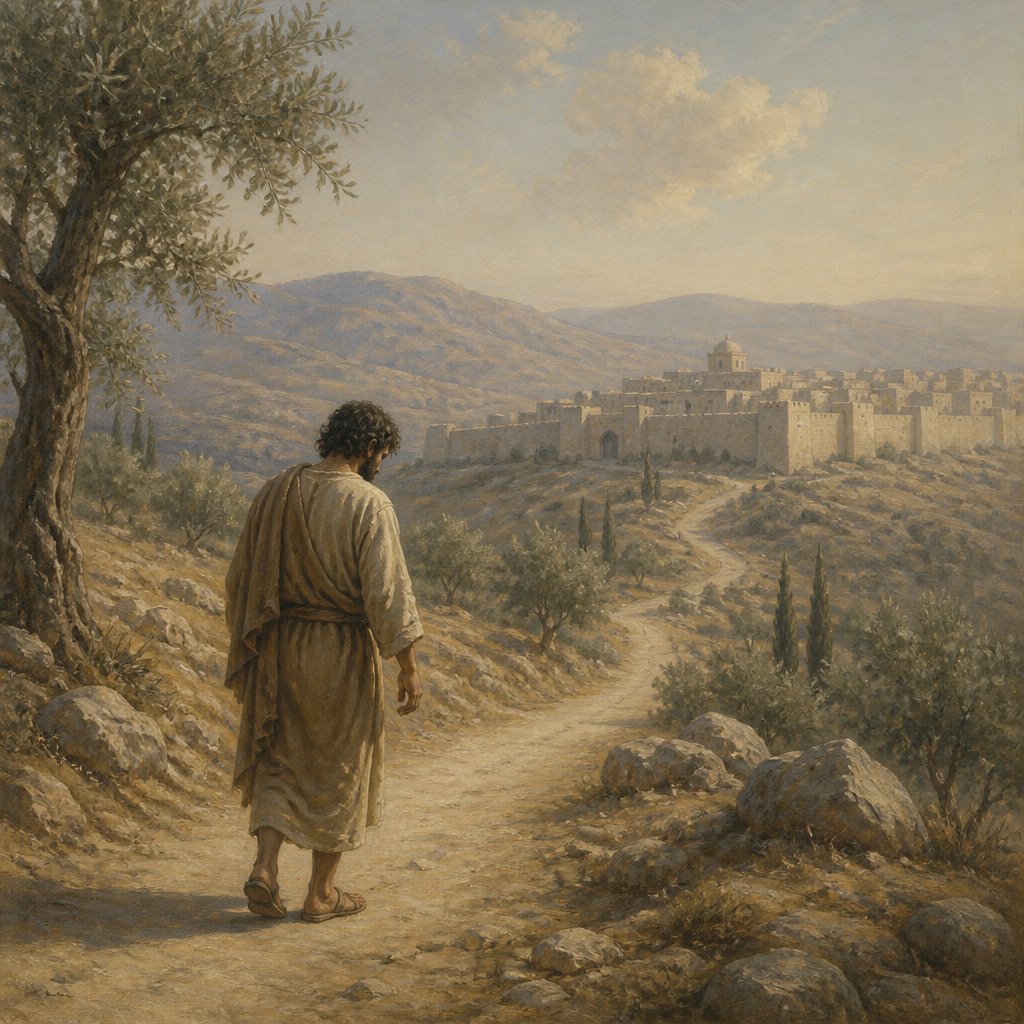
Deuteronomy 19:4 (KJV): "And this is the case of the slayer, which shall flee thither, that he may live: Whoso killeth his neighbour ignorantly, whom he hated not in time past;"
The verse from the Book of Deuteronomy, specifically chapter 19, verse 4, addresses the need for cities of refuge for those who have committed unintentional manslaughter. In biblical times, cities of refuge were designated as safe havens for individuals who unintentionally caused the death of another person. These cities served as a place of protection for such individuals, allowing them to flee from the avenger of blood and preventing them from being unjustly punished for their unintentional actions.
The verse begins with the phrase "And this is the case of the slayer," which sets the stage for the following discussion regarding the rules and regulations surrounding unintentional manslaughter. It emphasizes the importance of providing a fair and just system for those who have caused harm accidentally. The intention behind the provision of cities of refuge is to ensure that justice is served in a manner that takes into account the lack of premeditation or malice in the act of killing.
The verse goes on to specify that the individual who has caused the death of another person "ignorantly" and "whom he hated not in time past" is the one who may seek refuge in these designated cities. This distinction is crucial in understanding the rationale behind the establishment of cities of refuge. It underscores the fact that the individual's actions were not driven by hostility or premeditation, but rather by genuine accident or circumstance.
From a broader context, the establishment of cities of refuge reflects the value placed on justice, mercy, and fairness within the biblical narrative. It demonstrates a concern for the well-being and rights of individuals, even those who have unintentionally caused harm. This emphasis on justice and mercy aligns with the overarching themes of righteousness and compassion that are woven throughout the Bible.
Symbolically, the concept of cities of refuge can also be interpreted as a representation of the grace and protection provided by God. In seeking refuge in these cities, individuals are granted a second chance and the opportunity for redemption. This can be seen as a parallel to the idea of seeking refuge in God's love and forgiveness, especially in times of trouble and need.
Furthermore, the provision of cities of refuge serves as a reminder of the importance of accountability and responsibility for one's actions. While the cities provide a place of safety, they also require the individual to face a trial and present their case before the elders of the city. This process underscores the biblical principle of accountability and the need to address wrongdoing in a just and equitable manner.
In conclusion, Deuteronomy 19:4 conveys a significant message about justice, mercy, and accountability within the biblical context. It highlights the importance of providing refuge and protection for those who have caused harm unintentionally, while also emphasizing the need for fair and just treatment for all individuals. Symbolically, the concept of cities of refuge can be seen as a reflection of God's grace and protection, as well as a reminder of the importance of taking responsibility for one's actions. Overall, this verse illustrates the timeless relevance of biblical principles in addressing matters of justice and compassion.
Have questions about Deuteronomy 19:4?
Dive deeper into this scripture with Bible Chat — an AI-powered tool for exploring God's Word through conversation. Ask questions, get context, and grow in your understanding of the Bible.
Get Our Apps


Deuteronomy 19:4 Artwork

Deuteronomy 19:4 - "¶ And this is the case of the slayer, which shall flee thither, that he may live: Whoso killeth his neighbour ignorantly, whom he hated not in time past;"
"¶ And this is the case of the slayer, which shall flee thither, that he may live: Whoso killeth his neighbour ignorantly, whom he hated not in time past;" - Deuteronomy 19:4

Deuteronomy 30:19:

Deuteronomy 5:19 - "Neither shalt thou steal."

Deuteronomy 4:19 - "And lest thou lift up thine eyes unto heaven, and when thou seest the sun, and the moon, and the stars, even all the host of heaven, shouldest be driven to worship them, and serve them, which the LORD thy God hath divided unto all nations under the whole heaven."

Deuteronomy 10:19 - "Love ye therefore the stranger: for ye were strangers in the land of Egypt."

Deuteronomy 14:19 - "And every creeping thing that flieth is unclean unto you: they shall not be eaten."

Deuteronomy 26:4-10

Deuteronomy 26:4-10

"Neither shalt thou steal." - Deuteronomy 5:19

Deuteronomy 19:7 - "Wherefore I command thee, saying, Thou shalt separate three cities for thee."

Deuteronomy 6:19 - "To cast out all thine enemies from before thee, as the LORD hath spoken."

Deuteronomy 4:4 - "But ye that did cleave unto the LORD your God are alive every one of you this day."

Deuteronomy 19:19 - "Then shall ye do unto him, as he had thought to have done unto his brother: so shalt thou put the evil away from among you."

Deuteronomy 27:19 - "Cursed be he that perverteth the judgment of the stranger, fatherless, and widow. And all the people shall say, Amen."

Deuteronomy 19:16 - "¶ If a false witness rise up against any man to testify against him that which is wrong;"

Deuteronomy 12:19 - "Take heed to thyself that thou forsake not the Levite as long as thou livest upon the earth."

Deuteronomy 28:19 - "Cursed shalt thou be when thou comest in, and cursed shalt thou be when thou goest out."

Deuteronomy 32:19 - "And when the LORD saw it, he abhorred them, because of the provoking of his sons, and of his daughters."

Deuteronomy 34:1-4 – Moses views the Promised Land from Mount Nebo.

Deuteronomy 34:1-4 – Moses views the Promised Land from Mount Nebo.

Deuteronomy 34:1-4 – Moses views the Promised Land from Mount Nebo.

Deuteronomy 4:44 - "¶ And this is the law which Moses set before the children of Israel:"

Deuteronomy 19:18 - "And the judges shall make diligent inquisition: and, behold, if the witness be a false witness, and hath testified falsely against his brother;"

Deuteronomy 19:20 - "And those which remain shall hear, and fear, and shall henceforth commit no more any such evil among you."

Deuteronomy 12:4 - "Ye shall not do so unto the LORD your God."

Deuteronomy 33:4 - "Moses commanded us a law, even the inheritance of the congregation of Jacob."

Deuteronomy 34:1-4 – Moses views the Promised Land from Mount Nebo.

Deuteronomy 34:1-4 – Moses views the Promised Land from Mount Nebo.

Deuteronomy 6:4 - "Hear, O Israel: The LORD our God is one LORD:"