What does Deuteronomy 18:16 mean?
"According to all that thou desiredst of the LORD thy God in Horeb in the day of the assembly, saying, Let me not hear again the voice of the LORD my God, neither let me see this great fire any more, that I die not." - Deuteronomy 18:16
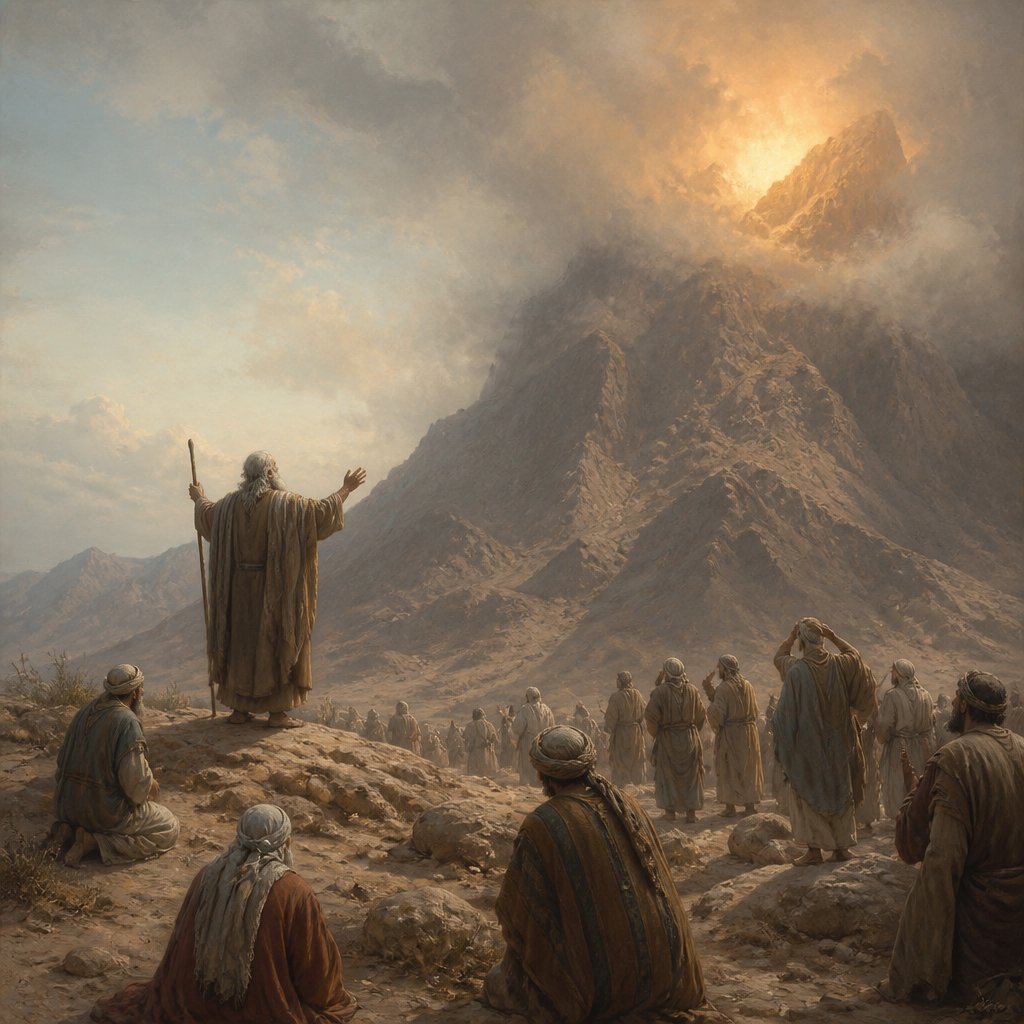
Deuteronomy 18:16 in the King James Version (KJV) of the Bible reads: "According to all that thou desiredst of the Lord thy God in Horeb in the day of the assembly, saying, Let me not hear again the voice of the Lord my God, neither let me see this great fire any more, that I die not."
This verse is part of a larger passage in the book of Deuteronomy where Moses is addressing the Israelites and reminding them of the importance of obeying God's commandments and following His instructions. In this specific verse, Moses is recounting the time when the Israelites received the Ten Commandments from God at Mount Horeb. The people were afraid and overwhelmed by the manifestation of God's presence in the form of fire, smoke, and thunder, and they pleaded with Moses to intercede on their behalf.
The context of this verse is important in understanding its significance. The Israelites had just been delivered from slavery in Egypt and were on their way to the Promised Land. They had witnessed God's powerful miracles and provision throughout their journey, but they were also struggling with doubts, fears, and disobedience. In this particular instance, they were so afraid of God's overwhelming presence that they begged not to hear His voice or see the fire lest they die.
This verse reveals several important themes that are found throughout the Bible. One prominent theme is the holiness and transcendence of God. The Israelites' fear and awe at the sight of God's presence reflect the profound reverence and respect that should characterize our relationship with the Almighty. It also highlights the human tendency to be overwhelmed by the divine, which underscores our need for humility, submission, and dependence on God. Additionally, it serves as a reminder of the consequences of sin and the seriousness of disobeying God's commands.
Furthermore, this verse demonstrates the mediator role of Moses. As the intermediary between God and the Israelites, Moses acted as a spokesperson and advocate for the people. His interaction with God on behalf of the people foreshadows the ultimate Mediator, Jesus Christ, who intercedes for believers before God. This verse points to the need for a mediator or intercessor to bridge the gap between a holy God and sinful humanity.
Symbolism is also present in this verse, particularly in the reference to the fire. Fire is a recurring symbol in the Bible, often representing God's presence, purification, and judgment. In this instance, the fire symbolizes the holiness and purity of God, as well as His awesome power and authority. The Israelites' fear of the fire serves as a visual representation of their awe and trepidation in the face of God's majesty.
In conclusion, Deuteronomy 18:16 from the King James Version of the Bible encapsulates profound truths about the nature of God, the role of mediators, and the significance of reverence and obedience. Its historical and theological context, along with its themes and symbolism, make it a significant and impactful verse in understanding the relationship between God and His people. It serves as a poignant reminder of the need for humility, awe, and submission before the Almighty, as well as the provision of a Mediator who bridges the gap between God and humanity.
Have questions about Deuteronomy 18:16?
Dive deeper into this scripture with Bible Chat — an AI-powered tool for exploring God's Word through conversation. Ask questions, get context, and grow in your understanding of the Bible.
Get Our Apps


Deuteronomy 18:16 Artwork

Deuteronomy 18:16 - "According to all that thou desiredst of the LORD thy God in Horeb in the day of the assembly, saying, Let me not hear again the voice of the LORD my God, neither let me see this great fire any more, that I die not."
"According to all that thou desiredst of the LORD thy God in Horeb in the day of the assembly, saying, Let me not hear again the voice of the LORD my God, neither let me see this great fire any more, that I die not." - Deuteronomy 18:16

Deuteronomy 16:18 - "¶ Judges and officers shalt thou make thee in all thy gates, which the LORD thy God giveth thee, throughout thy tribes: and they shall judge the people with just judgment."

Deuteronomy 20:16

Deuteronomy 20:16

Deuteronomy 20:16

Deuteronomy 14:16 - "The little owl, and the great owl, and the swan,"

Deuteronomy 5:18 - "Neither shalt thou commit adultery."

Deuteronomy 18:11 - "Or a charmer, or a consulter with familiar spirits, or a wizard, or a necromancer."

Deuteronomy 18:13 - "Thou shalt be perfect with the LORD thy God."

Deuteronomy 22:18 - "And the elders of that city shall take that man and chastise him;"

Deuteronomy 14:18 - "And the stork, and the heron after her kind, and the lapwing, and the bat."

Deuteronomy 10:16 - "Circumcise therefore the foreskin of your heart, and be no more stiffnecked."

Deuteronomy 28:16 - "Cursed shalt thou be in the city, and cursed shalt thou be in the field."

Deuteronomy 2:18 - "Thou art to pass over through Ar, the coast of Moab, this day:"

Numbers 16:18

Genesis 18-16

Deuteronomy 18:17 - "And the LORD said unto me, They have well spoken that which they have spoken."

Deuteronomy 1:18 - "And I commanded you at that time all the things which ye should do."

Deuteronomy 18:8 - "They shall have like portions to eat, beside that which cometh of the sale of his patrimony."

Deuteronomy 32:16 - "They provoked him to jealousy with strange gods, with abominations provoked they him to anger."

Deuteronomy 32:18 - "Of the Rock that begat thee thou art unmindful, and hast forgotten God that formed thee."

Deuteronomy 4:18 - "The likeness of any thing that creepeth on the ground, the likeness of any fish that is in the waters beneath the earth:"

Deuteronomy 33:18 - "¶ And of Zebulun he said, Rejoice, Zebulun, in thy going out; and, Issachar, in thy tents."
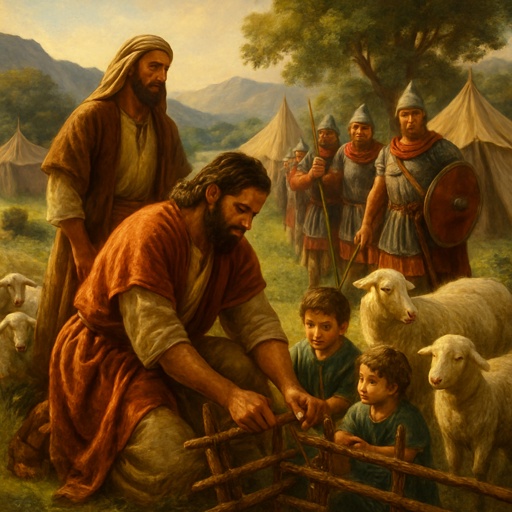
Numbers 32:16-18
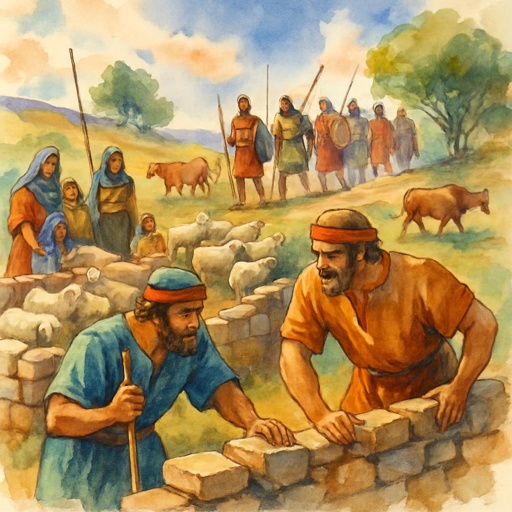
Numbers 32:16-18

Psalm 10:16-18

Deuteronomy 10:18 - "He doth execute the judgment of the fatherless and widow, and loveth the stranger, in giving him food and raiment."

Deuteronomy 27:18 - "Cursed be he that maketh the blind to wander out of the way. And all the people shall say, Amen."

"Neither shalt thou commit adultery." - Deuteronomy 5:18