What does Deuteronomy 17:20 mean?
"That his heart be not lifted up above his brethren, and that he turn not aside from the commandment, to the right hand, or to the left: to the end that he may prolong his days in his kingdom, he, and his children, in the midst of Israel." - Deuteronomy 17:20
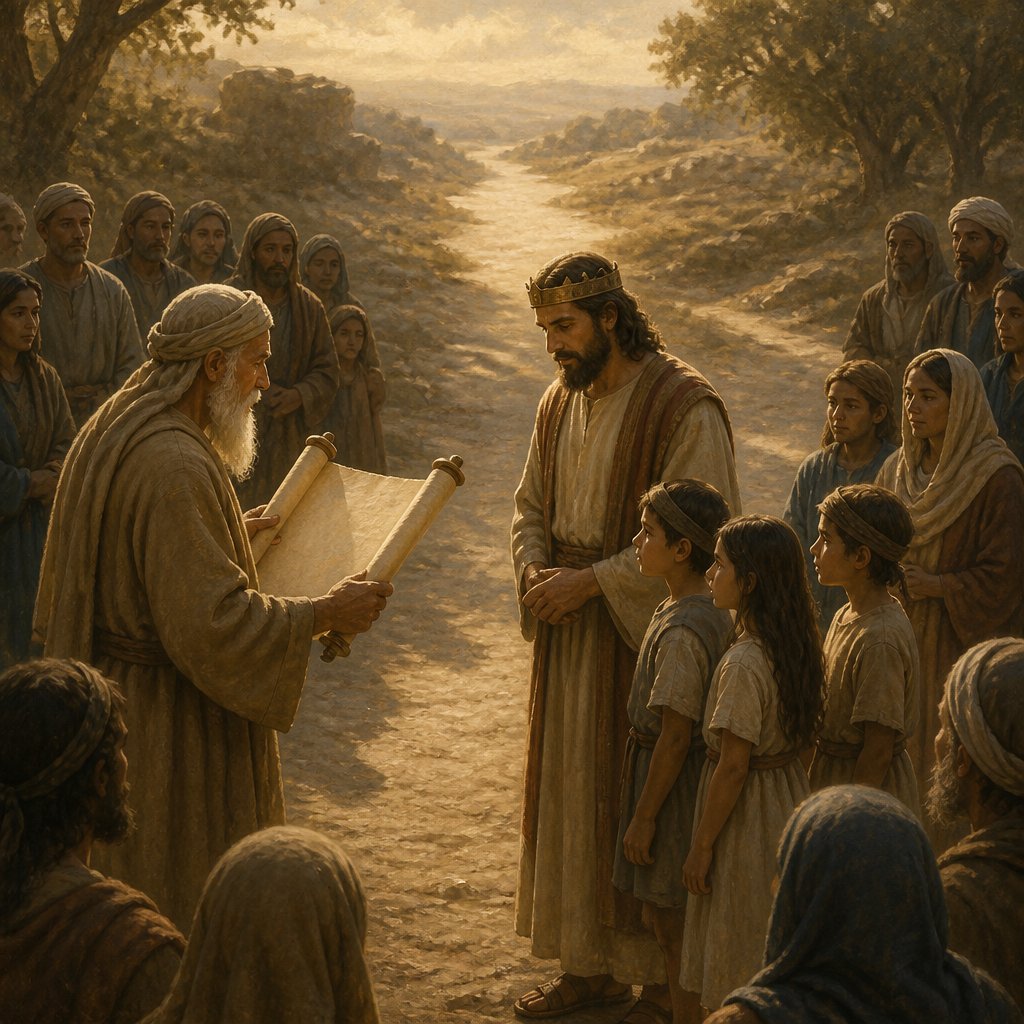
The Bible verse Deuteronomy 17:20, taken from the King James Version (KJV), reads, "That his heart be not lifted up above his brethren, and that he turn not aside from the commandment, to the right hand, or to the left: to the end that he may prolong his days in his kingdom, he, and his children, in the midst of Israel."
This verse appears in the context of Moses' instructions to the Israelites regarding the appointment of a king. In this passage, Moses outlines the qualities and behaviors that the king should embody in order to lead Israel faithfully. The verse emphasizes humility, righteousness, and obedience to God's commandments as essential qualities for a king to possess.
The overarching theme of this verse is the importance of righteous leadership. The verse emphasizes the need for the king to maintain humility and obedience to God's laws, rather than becoming prideful or straying from God's commands. It highlights the potential dangers of power and authority, as well as the importance of using these privileges for the greater good and in alignment with God's will.
The verse also speaks to the concept of moral and ethical leadership. By cautioning the king against becoming prideful and turning away from God's commandments, the verse emphasizes the need for leaders to prioritize righteousness, justice, and obedience to God above all else. This serves as a reminder that those in positions of power should set an example for their people and lead with integrity and moral uprightness.
The context of this verse within the book of Deuteronomy is also significant. The book contains Moses' final words and instructions to the Israelites before they enter the Promised Land. As such, the verse serves as a reminder to the Israelites of the values and principles they should uphold as they establish a new society in the land that God has promised them. It provides a blueprint for righteous leadership and emphasizes the moral and ethical standards that should guide the Israelites as they navigate the challenges of establishing a new kingdom.
In terms of symbolism, the verse can be seen as representing the ideal of a just and righteous ruler. The image of a king whose heart is not lifted up above his brethren signifies a leader who remains humble and connected to his people, rather than becoming arrogant and self-serving. The instruction to not turn aside from the commandment, to the right hand or to the left, symbolizes the need for the king to stay steadfast in his obedience to God's laws and to not stray from the path of righteousness.
Overall, Deuteronomy 17:20 offers a powerful message about the qualities and behaviors that make for righteous and effective leadership. It serves as a timeless reminder of the importance of humility, righteousness, and obedience to God's commands in the exercise of authority and power. Through its themes, context, and symbolism, this verse provides valuable insights into the qualities that should characterize leaders, both in ancient Israel and in today's world.
Have questions about Deuteronomy 17:20?
Dive deeper into this scripture with Bible Chat — an AI-powered tool for exploring God's Word through conversation. Ask questions, get context, and grow in your understanding of the Bible.
Get Our Apps


Deuteronomy 17:20 Artwork
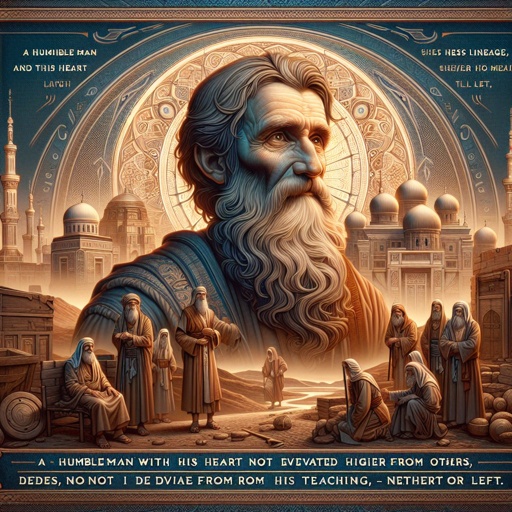
Deuteronomy 17:20 - "That his heart be not lifted up above his brethren, and that he turn not aside from the commandment, to the right hand, or to the left: to the end that he may prolong his days in his kingdom, he, and his children, in the midst of Israel."
"That his heart be not lifted up above his brethren, and that he turn not aside from the commandment, to the right hand, or to the left: to the end that he may prolong his days in his kingdom, he, and his children, in the midst of Israel." - Deuteronomy 17:20

Deuteronomy 20:17 - "But thou shalt utterly destroy them; namely, the Hittites, and the Amorites, the Canaanites, and the Perizzites, the Hivites, and the Jebusites; as the LORD thy God hath commanded thee:"

Deuteronomy 20:16

Deuteronomy 20:16

Deuteronomy 20:16

Deuteronomy 5:17 - "Thou shalt not kill."

Deuteronomy 14:17 - "And the pelican, and the gier eagle, and the cormorant,"

Deuteronomy 2:17 - "That the LORD spake unto me, saying,"

Create a picture of Deuteronomy 11:20

Deuteronomy 22:20 - "But if this thing be true, and the tokens of virginity be not found for the damsel:"

Deuteronomy 14:20 - "But of all clean fowls ye may eat."

Deuteronomy 28:17 - "Cursed shall be thy basket and thy store."
"But thou shalt utterly destroy them; namely, the Hittites, and the Amorites, the Canaanites, and the Perizzites, the Hivites, and the Jebusites; as the LORD thy God hath commanded thee:" - Deuteronomy 20:17

Genesis 20-17

Matthew 17:20

"Thou shalt not kill." - Deuteronomy 5:17

Deuteronomy 23:17 - "¶ There shall be no whore of the daughters of Israel, nor a sodomite of the sons of Israel."

Deuteronomy 17:13 - "And all the people shall hear, and fear, and do no more presumptuously."

Matthew 17:20

Genesis 17-20

Deuteronomy 17:17 - "Neither shall he multiply wives to himself, that his heart turn not away: neither shall he greatly multiply to himself silver and gold."

Deuteronomy 5:20 - "Neither shalt thou bear false witness against thy neighbour."

Deuteronomy 20:12 - "And if it will make no peace with thee, but will make war against thee, then thou shalt besiege it:"

Deuteronomy 4:17 - "The likeness of any beast that is on the earth, the likeness of any winged fowl that flieth in the air,"

"And the pelican, and the gier eagle, and the cormorant," - Deuteronomy 14:17

Deuteronomy 18:17 - "And the LORD said unto me, They have well spoken that which they have spoken."

Deuteronomy 20:10 - "¶ When thou comest nigh unto a city to fight against it, then proclaim peace unto it."

Deuteronomy 27:17 - "Cursed be he that removeth his neighbour's landmark. And all the people shall say, Amen."

Deuteronomy 11:20 - "And thou shalt write them upon the door posts of thine house, and upon thy gates:"