What does Deuteronomy 17:14 mean?
"¶ When thou art come unto the land which the LORD thy God giveth thee, and shalt possess it, and shalt dwell therein, and shalt say, I will set a king over me, like as all the nations that are about me;" - Deuteronomy 17:14
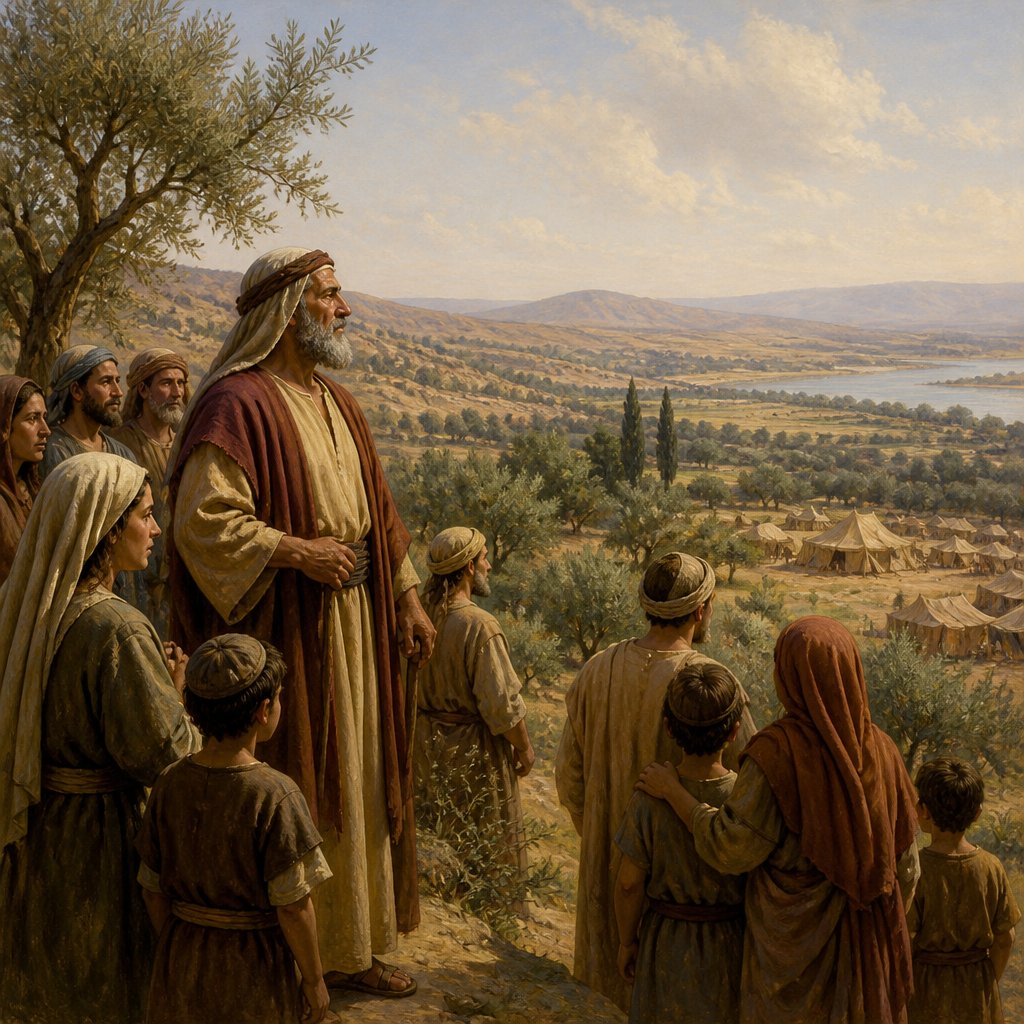
Deuteronomy 17:14 from the King James Version (KJV) reads: "When thou art come unto the land which the LORD thy God giveth thee, and shalt possess it, and shalt dwell therein, and shalt say, I will set a king over me, like as all the nations that are about me."
This verse is part of the larger context of Deuteronomy, which is the fifth book in the Hebrew Bible and in the Christian Old Testament. The book is attributed to Moses and primarily consists of three sermons or speeches delivered by Moses to the Israelites on the plains of Moab, just before they entered the Promised Land. Deuteronomy is often seen as a recapitulation of the laws and commandments given to the Israelites in the previous books of the Torah, as well as a sort of constitution for the newly-formed nation of Israel.
The verse in question addresses the future possibility of the Israelites desiring a king to rule over them, as was the practice in surrounding nations. The Israelites had been ruled directly by God and by judges up to this point, but the prospect of a king was foreseen as their society developed and interacted with other nations. This verse lays the groundwork for the eventual establishment of a monarchy in Israel, which happened with the anointing of King Saul in 1 Samuel.
The theme of kingship and the role of a king in Israel is a significant one throughout the Bible, especially in the Old Testament. The Israelite monarchy had a complex relationship with the religious and societal structures of the nation, and many biblical narratives and teachings address the responsibilities and behaviors of kings. Deuteronomy 17:14 sets the stage for this important aspect of Israelite history and theology.
One interpretation of this verse is that it reflects the tension between the Israelites' desire for a king and the potential problems associated with having a human ruler. Setting a king over the people meant adopting a political structure that was common among other nations, but it also involved the risk of the king becoming corrupt or leading the people away from God. This tension is evident in the later narratives of the Israelite monarchy, where both righteous and wicked kings are described.
Moreover, the verse emphasizes the importance of the Israelites' relationship with God in the establishment of a monarchy. The underlying message is that the Israelites should not seek to imitate other nations in all respects, but rather remain faithful to their unique covenant with God. The subsequent verses in Deuteronomy 17 outline specific guidelines for the future king of Israel, including not amassing great wealth, not acquiring many horses, and not taking multiple wives – all of which were common practices of ancient Near Eastern kings.
Symbolically, the verse can be seen as a reflection of the tension between the earthly and the divine, as well as the tension between conforming to societal norms and remaining faithful to God's commandments. This tension is a recurring theme throughout the Bible, and it is exemplified in the complex portrayal of kings and rulers in biblical narratives.
In conclusion, Deuteronomy 17:14 is a foundational verse that sets the stage for the eventual establishment of the Israelite monarchy. It addresses the tension between the desire for a human king and the need for faithfulness to God, as well as the potential pitfalls of human rulership. The verse provides important context for understanding the broader themes of kingship, societal structure, and the relationship between the Israelites and their covenant with God in the biblical narrative.
Have questions about Deuteronomy 17:14?
Dive deeper into this scripture with Bible Chat — an AI-powered tool for exploring God's Word through conversation. Ask questions, get context, and grow in your understanding of the Bible.
Get Our Apps


Deuteronomy 17:14 Artwork
Deuteronomy 17:14 - "¶ When thou art come unto the land which the LORD thy God giveth thee, and shalt possess it, and shalt dwell therein, and shalt say, I will set a king over me, like as all the nations that are about me;"
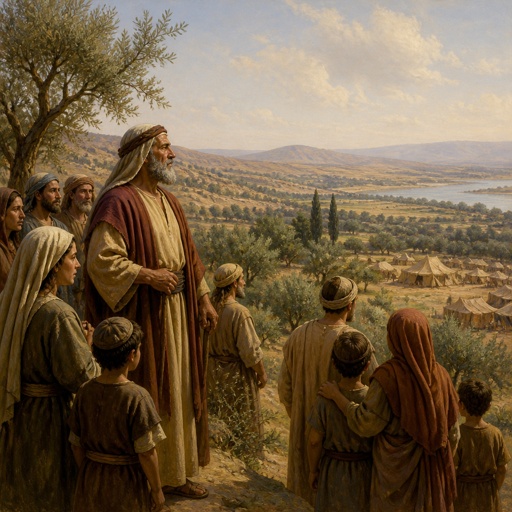
"¶ When thou art come unto the land which the LORD thy God giveth thee, and shalt possess it, and shalt dwell therein, and shalt say, I will set a king over me, like as all the nations that are about me;" - Deuteronomy 17:14

Deuteronomy 14:17 - "And the pelican, and the gier eagle, and the cormorant,"

"And the pelican, and the gier eagle, and the cormorant," - Deuteronomy 14:17

Deuteronomy 14:14 - "And every raven after his kind,"

Deuteronomy 5:17 - "Thou shalt not kill."

Deuteronomy 2:17 - "That the LORD spake unto me, saying,"

Deuteronomy 28:17 - "Cursed shall be thy basket and thy store."

"And every raven after his kind," - Deuteronomy 14:14

Deuteronomy 14:16 - "The little owl, and the great owl, and the swan,"

"Thou shalt not kill." - Deuteronomy 5:17

Deuteronomy 23:17 - "¶ There shall be no whore of the daughters of Israel, nor a sodomite of the sons of Israel."

Deuteronomy 14:3 - "¶ Thou shalt not eat any abominable thing."

Deuteronomy 17:13 - "And all the people shall hear, and fear, and do no more presumptuously."

Deuteronomy 17:17 - "Neither shall he multiply wives to himself, that his heart turn not away: neither shall he greatly multiply to himself silver and gold."

Deuteronomy 14:11 - "¶ Of all clean birds ye shall eat."

Deuteronomy 14:20 - "But of all clean fowls ye may eat."

Deuteronomy 14:13 - "And the glede, and the kite, and the vulture after his kind,"

Deuteronomy 14:18 - "And the stork, and the heron after her kind, and the lapwing, and the bat."

Deuteronomy 14:12 - "But these are they of which ye shall not eat: the eagle, and the ossifrage, and the ospray,"

Deuteronomy 4:17 - "The likeness of any beast that is on the earth, the likeness of any winged fowl that flieth in the air,"

Deuteronomy 14:15 - "And the owl, and the night hawk, and the cuckow, and the hawk after his kind,"

Deuteronomy 29:14 - "Neither with you only do I make this covenant and this oath;"

Deuteronomy 18:17 - "And the LORD said unto me, They have well spoken that which they have spoken."

Revelation 17:14

Revelation 17:14

Acts 14:17

Revelation 17:14

Genesis 17-14

Revelation 17:14