What does Deuteronomy 16:17 mean?
"Every man shall give as he is able, according to the blessing of the LORD thy God which he hath given thee." - Deuteronomy 16:17
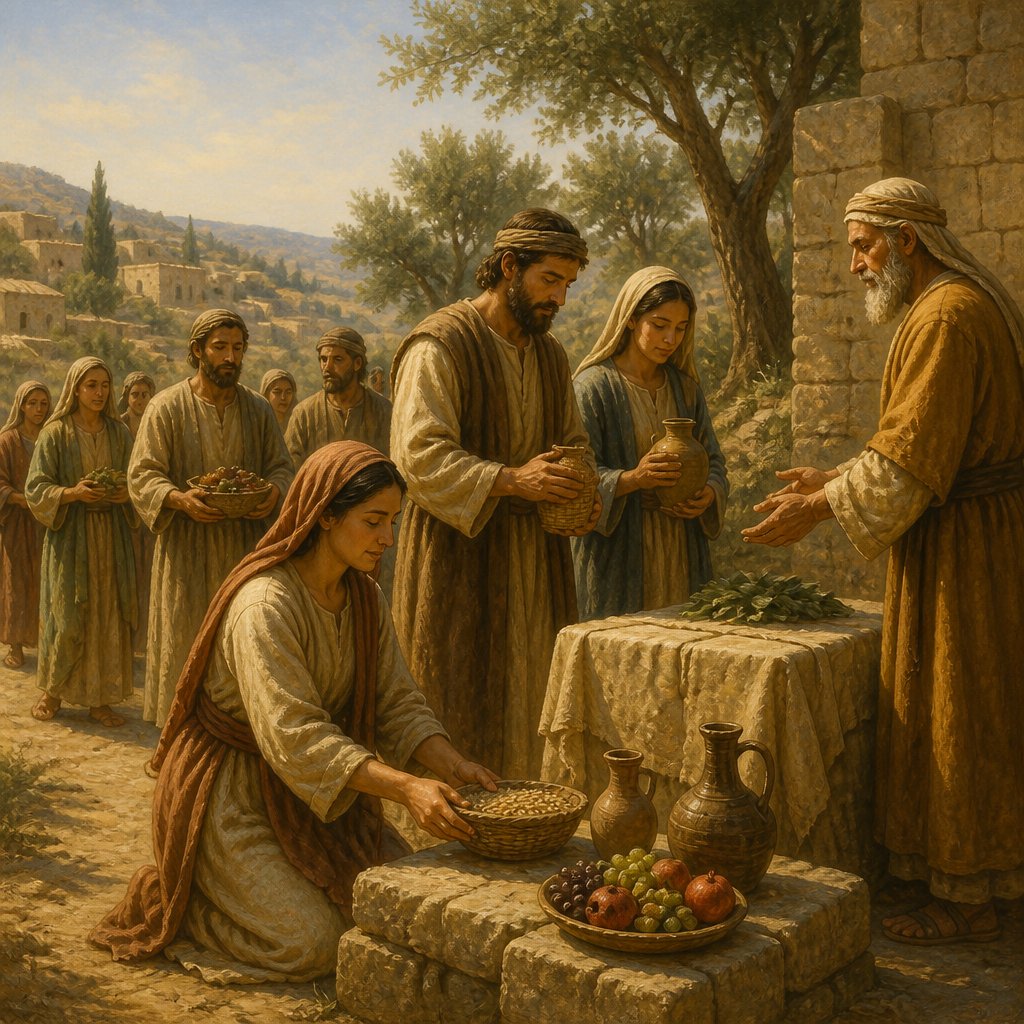
Deuteronomy 16:17 (KJV) states: "Every man shall give as he is able, according to the blessing of the Lord thy God which he hath given thee."
This verse comes from the book of Deuteronomy, which is the fifth book of the Hebrew Bible and the Christian Old Testament. Deuteronomy is considered to be a record of the words spoken by Moses to the Israelites as they prepared to enter the Promised Land. The book contains laws, guidelines for worship, and reminders of God's faithfulness to the Israelites.
In the context of Deuteronomy 16:17, the verse is part of the instructions given for the three yearly feasts that the Israelites were commanded to observe: Passover, the Feast of Weeks (Pentecost), and the Feast of Tabernacles. These were important times of worship and celebration for the Israelites, and God commanded them to come before Him with offerings and thanksgiving.
The verse emphasizes the importance of giving offerings to God in proportion to the blessings that each individual has received. This principle aligns with the broader theme of stewardship and gratitude found throughout the Bible. It acknowledges that all blessings come from God and encourages individuals to give back to Him out of a heart of thankfulness.
One of the key themes in Deuteronomy 16:17 is the principle of stewardship. Stewardship is the responsible overseeing and protection of something considered worth caring for and preserving. In this context, it refers to the idea that everything we have comes from God, and we are called to manage it faithfully. This includes material blessings, time, talents, and resources. By giving as we are able, we demonstrate an understanding that everything belongs to God and that we are to use it for His purposes.
Another important theme in this verse is gratitude. The idea of giving in proportion to the blessings received underscores the importance of recognizing and acknowledging God's faithfulness and provision. Gratitude is a foundational aspect of the Christian faith, and it is through gratitude that we cultivate a deeper relationship with God and develop a spirit of generosity.
The symbolism in Deuteronomy 16:17 lies in the act of giving itself. By offering back to God a portion of what He has blessed us with, we participate in the act of acknowledging His sovereignty and lordship over our lives. Giving becomes an act of worship, as it demonstrates our dependence on God and our willingness to align our resources with His purposes.
This verse also points to the concept of equality and fairness in giving. It emphasizes that each person is to give as they are able, recognizing that individuals have different levels of blessing and resources. This principle of equitable giving reflects God's heart for justice and compassion for those who are in need.
In summary, Deuteronomy 16:17 serves as a reminder of the importance of stewardship, gratitude, and fairness in giving. It invites us to consider the blessings we have received from God and to respond with generosity and thanksgiving. By doing so, we not only honor God but also contribute to the well-being of others, reflecting the love and compassion of our Heavenly Father.
Have questions about Deuteronomy 16:17?
Dive deeper into this scripture with Bible Chat — an AI-powered tool for exploring God's Word through conversation. Ask questions, get context, and grow in your understanding of the Bible.
Get Our Apps


Deuteronomy 16:17 Artwork
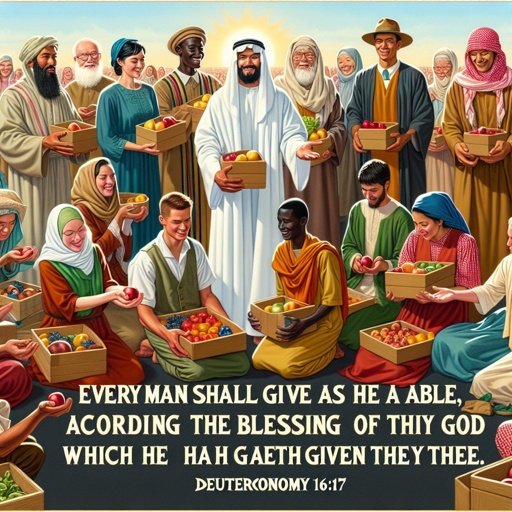
Deuteronomy 16:17 - "Every man shall give as he is able, according to the blessing of the LORD thy God which he hath given thee."
"Every man shall give as he is able, according to the blessing of the LORD thy God which he hath given thee." - Deuteronomy 16:17
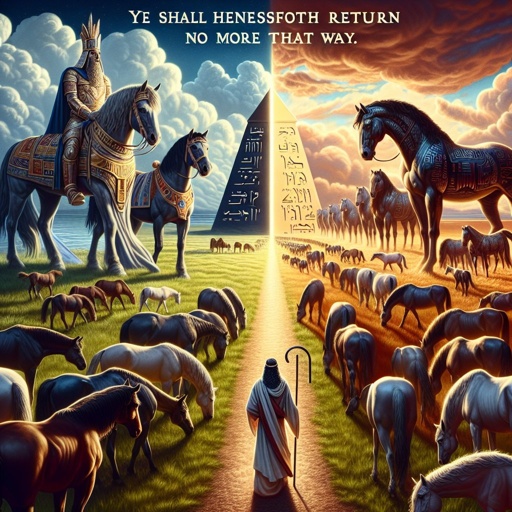
Deuteronomy 17:16 - "But he shall not multiply horses to himself, nor cause the people to return to Egypt, to the end that he should multiply horses: forasmuch as the LORD hath said unto you, Ye shall henceforth return no more that way."

Deuteronomy 20:16

Deuteronomy 5:17 - "Thou shalt not kill."

Deuteronomy 20:16

Deuteronomy 20:16

Deuteronomy 14:17 - "And the pelican, and the gier eagle, and the cormorant,"

Deuteronomy 2:17 - "That the LORD spake unto me, saying,"

Deuteronomy 14:16 - "The little owl, and the great owl, and the swan,"

Deuteronomy 28:17 - "Cursed shall be thy basket and thy store."

Deuteronomy 10:16 - "Circumcise therefore the foreskin of your heart, and be no more stiffnecked."

"Thou shalt not kill." - Deuteronomy 5:17

Deuteronomy 23:17 - "¶ There shall be no whore of the daughters of Israel, nor a sodomite of the sons of Israel."

Deuteronomy 17:13 - "And all the people shall hear, and fear, and do no more presumptuously."

Galatians 5:16-17

Galatians 5:16-17

Deuteronomy 17:17 - "Neither shall he multiply wives to himself, that his heart turn not away: neither shall he greatly multiply to himself silver and gold."

Deuteronomy 28:16 - "Cursed shalt thou be in the city, and cursed shalt thou be in the field."

1 corinthians 3:16-17

1 corinthians 3:16-17

1 corinthians 3:16-17

Genesis 17-16

Romans 16:17

Acts 16:17

Romans 16:17

Romans 16:17

Deuteronomy 4:17 - "The likeness of any beast that is on the earth, the likeness of any winged fowl that flieth in the air,"

"And the pelican, and the gier eagle, and the cormorant," - Deuteronomy 14:17

Deuteronomy 18:17 - "And the LORD said unto me, They have well spoken that which they have spoken."