What does Deuteronomy 15:20 mean?
"Thou shalt eat it before the LORD thy God year by year in the place which the LORD shall choose, thou and thy household." - Deuteronomy 15:20
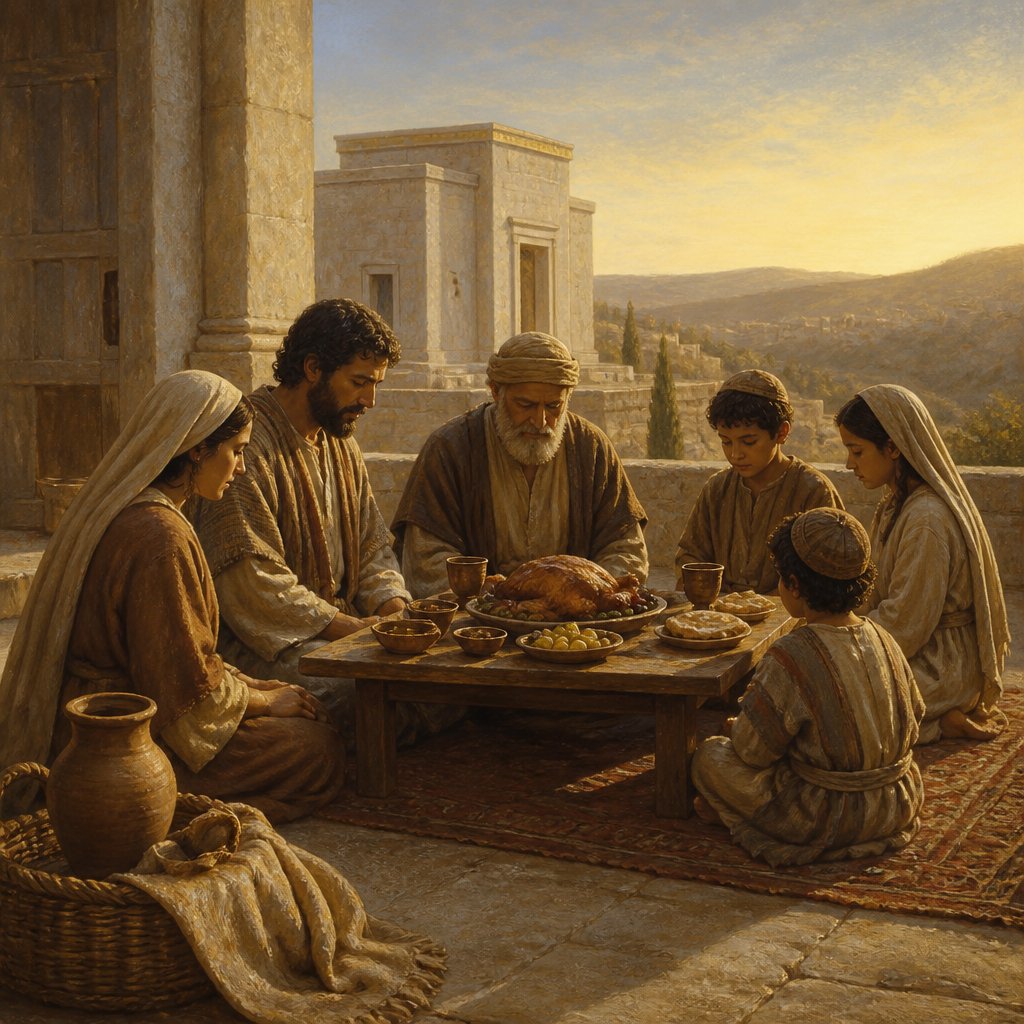
Deuteronomy 15:20 in the King James Version reads, "Thou shalt eat it before the LORD thy God year by year in the place which the LORD shall choose, thou and thy household." This verse is part of a larger passage in the book of Deuteronomy which outlines the laws and regulations for the treatment of slaves and the releasing of debts. The context for this verse is the Year of Release, which occurs every seven years, where debts were to be forgiven and slaves were to be set free.
In this specific verse, the commandment is given to the Israelites to eat the tithe of their produce before the Lord in the place He has chosen. This act of eating before the Lord is an expression of gratitude and acknowledgement of God's provision and blessing. It is a way for the Israelites to honor and worship God for His faithfulness in providing for them.
One of the key themes in this verse is the concept of stewardship. The Israelites were called to recognize that all they had, including their produce and possessions, ultimately belonged to God. By eating the tithe before the Lord, they were acknowledging His ownership and sovereignty over their lives. This theme of stewardship is a recurring theme in the Bible, emphasizing the importance of being faithful and responsible with the resources that God has entrusted to us.
Another theme present in this verse is the idea of worship. The act of eating before the Lord was a form of worship and adoration towards God. It was a way for the Israelites to express their gratitude and reverence for His provision. This ties into the broader theme of the Israelites' relationship with God, highlighting the importance of worship and honoring Him in all aspects of their lives.
The context of this verse also holds significance in understanding its symbolism. The Year of Release, during which debts were forgiven and slaves were set free, serves as a reminder of God's mercy and compassion. It reflects God's desire for justice and liberation for His people. The act of eating before the Lord in the designated place emphasizes the centrality of God in the Israelites' lives and the importance of incorporating Him into every aspect of their daily routines.
The imagery of eating before the Lord also carries symbolic meaning. It represents a communal act of fellowship and unity among the Israelites, as they gather together to partake in the offering to God. This communal aspect reflects the importance of community and shared worship in the life of the Israelites.
Overall, Deuteronomy 15:20 holds profound significance in its themes of stewardship, worship, and communal fellowship. It speaks to the Israelites' relationship with God and their responsibilities in honoring Him with their possessions. It also serves as a reminder of God's grace and mercy, as seen in the Year of Release, and the call for justice and compassion towards one another. Through its symbolism and context, this verse offers valuable insights into the spiritual principles that guided the Israelites' lives and continues to hold relevance for believers today.
Have questions about Deuteronomy 15:20?
Dive deeper into this scripture with Bible Chat — an AI-powered tool for exploring God's Word through conversation. Ask questions, get context, and grow in your understanding of the Bible.
Get Our Apps


Deuteronomy 15:20 Artwork

Deuteronomy 15:20 - "Thou shalt eat it before the LORD thy God year by year in the place which the LORD shall choose, thou and thy household."
"Thou shalt eat it before the LORD thy God year by year in the place which the LORD shall choose, thou and thy household." - Deuteronomy 15:20

Deuteronomy 20:15 - "Thus shalt thou do unto all the cities which are very far off from thee, which are not of the cities of these nations."

Deuteronomy 20:16

Deuteronomy 20:16

Deuteronomy 20:16
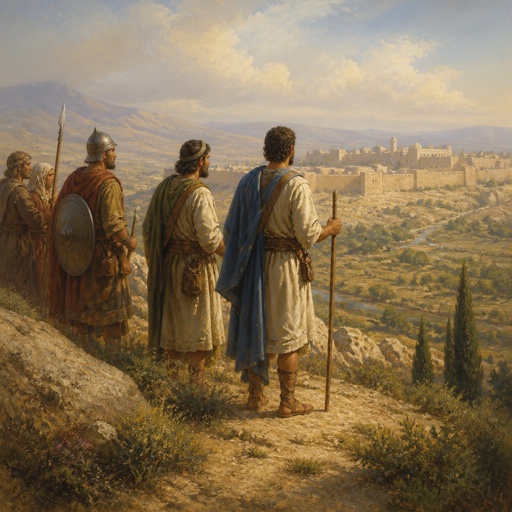
"Thus shalt thou do unto all the cities which are very far off from thee, which are not of the cities of these nations." - Deuteronomy 20:15

Create a picture of Deuteronomy 11:20

Deuteronomy 22:20 - "But if this thing be true, and the tokens of virginity be not found for the damsel:"

Deuteronomy 14:20 - "But of all clean fowls ye may eat."

Deuteronomy 3:15 - "And I gave Gilead unto Machir."

Deuteronomy 5:20 - "Neither shalt thou bear false witness against thy neighbour."

Genesis 15:20

Genesis 20-15

Deuteronomy 14:15 - "And the owl, and the night hawk, and the cuckow, and the hawk after his kind,"

Deuteronomy 15:1 - "At the end of every seven years thou shalt make a release."

Deuteronomy 20:12 - "And if it will make no peace with thee, but will make war against thee, then thou shalt besiege it:"

Deuteronomy 33:15 - "And for the chief things of the ancient mountains, and for the precious things of the lasting hills,"

Deuteronomy 20:10 - "¶ When thou comest nigh unto a city to fight against it, then proclaim peace unto it."

Deuteronomy 15:15 - "And thou shalt remember that thou wast a bondman in the land of Egypt, and the LORD thy God redeemed thee: therefore I command thee this thing to day."

Genesis 15:20 - "And the Hittites, and the Perizzites, and the Rephaims,"

Exodus 20:15 - "Thou shalt not steal."

Colossians 1:15-20

Colossians 1:15-20

Matthew 15 : 1-20

Deuteronomy 11:20 - "And thou shalt write them upon the door posts of thine house, and upon thy gates:"

Deuteronomy 20:20 - "Only the trees which thou knowest that they be not trees for meat, thou shalt destroy and cut them down; and thou shalt build bulwarks against the city that maketh war with thee, until it be subdued."

Deuteronomy 20:4 - "For the LORD your God is he that goeth with you, to fight for you against your enemies, to save you."

Deuteronomy 20:2 - "And it shall be, when ye are come nigh unto the battle, that the priest shall approach and speak unto the people,"

Deuteronomy 9:20 - "And the LORD was very angry with Aaron to have destroyed him: and I prayed for Aaron also the same time."