What does Deuteronomy 15:12 mean?
"¶ And if thy brother, an Hebrew man, or an Hebrew woman, be sold unto thee, and serve thee six years; then in the seventh year thou shalt let him go free from thee." - Deuteronomy 15:12
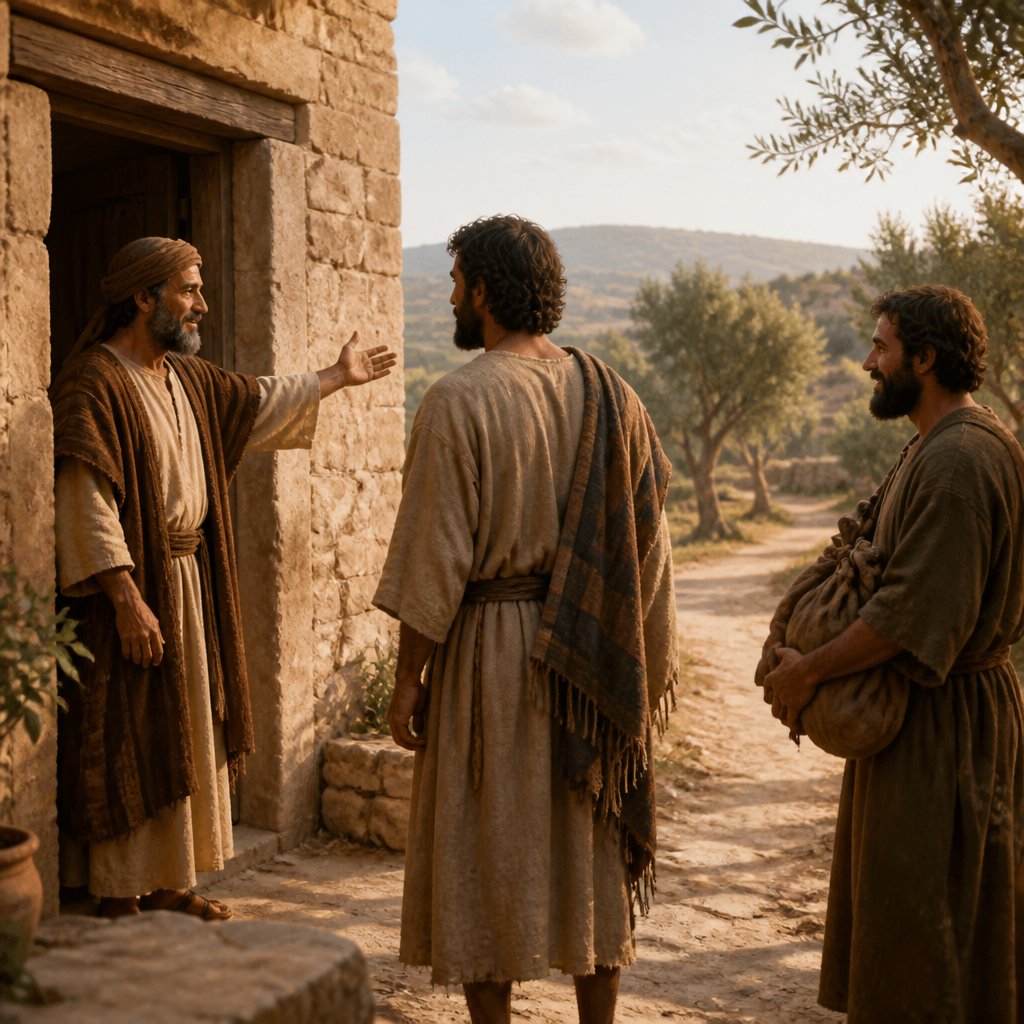
Deuteronomy 15:12 in the King James Version (KJV) of the Bible reads: "And if thy brother, an Hebrew man, or an Hebrew woman, be sold unto thee, and serve thee six years; then in the seventh year thou shalt let him go free from thee."
This verse is part of the laws given to the Israelites by God through Moses as they prepared to enter the promised land. It specifically addresses the practice of Hebrew servitude, which was a system in which a fellow Hebrew could sell themselves into servitude to pay off a debt or to find a means of support. This verse sets guidelines for the treatment of such individuals and illustrates the importance of compassion and justice in the treatment of others.
The theme of compassion and justice is central to the meaning of Deuteronomy 15:12. The verse emphasizes the importance of treating those in servitude with fairness and compassion, recognizing their humanity and the dignity inherent in all people. By mandating the release of the Hebrew servant in the seventh year and providing for their welfare upon their release, this verse demonstrates God's care for the oppressed and marginalized, as well as the importance of acting with fairness and generosity towards those in need.
The historical and cultural context of this verse is important for understanding its significance. In Ancient Israel, the practice of Hebrew servitude was a common means for individuals to address financial hardships or debt. By regulating this practice, God established guidelines for the treatment of those who found themselves in this situation, ensuring that they were not exploited or mistreated. The release of the servant after six years and the provision of resources for their future helped to prevent the perpetuation of poverty and servitude, demonstrating God's concern for social justice and the welfare of all members of the community.
The symbolism in Deuteronomy 15:12 is profound, reflecting the larger themes of liberation, justice, and human dignity that permeate the Bible. The release of the Hebrew servant after six years represents a form of liberation, reflecting God's desire for freedom and wholeness for all people. This act of liberation also foreshadows the ultimate liberation that is found in Christ, who offers freedom from sin and oppression to all who believe in Him. Additionally, the provision of resources for the released servant symbolizes God's care for the vulnerable and His desire for all people to live with dignity and abundance.
Furthermore, this verse reflects the character of God as just and compassionate. It reveals God's concern for the oppressed and marginalized, as well as His desire for His people to reflect His character in their treatment of others. The principles outlined in this verse continue to speak to believers today, challenging them to act with fairness, compassion, and generosity in their interactions with others.
In conclusion, Deuteronomy 15:12 serves as a powerful reminder of God's concern for justice, compassion, and human dignity. It provides a framework for the treatment of those in servitude, emphasizing the importance of fairness and liberation. This verse also points to the larger themes of liberation and God's character, challenging believers to reflect His compassion and justice in their relationships with others. As such, it continues to hold profound significance for believers today, inspiring them to act with compassion and justice in their interactions with others.
Have questions about Deuteronomy 15:12?
Dive deeper into this scripture with Bible Chat — an AI-powered tool for exploring God's Word through conversation. Ask questions, get context, and grow in your understanding of the Bible.
Get Our Apps


Deuteronomy 15:12 Artwork

Deuteronomy 15:12 - "¶ And if thy brother, an Hebrew man, or an Hebrew woman, be sold unto thee, and serve thee six years; then in the seventh year thou shalt let him go free from thee."
"¶ And if thy brother, an Hebrew man, or an Hebrew woman, be sold unto thee, and serve thee six years; then in the seventh year thou shalt let him go free from thee." - Deuteronomy 15:12
Deuteronomy 12:15 - "Notwithstanding thou mayest kill and eat flesh in all thy gates, whatsoever thy soul lusteth after, according to the blessing of the LORD thy God which he hath given thee: the unclean and the clean may eat thereof, as of the roebuck, and as of the hart."

Deuteronomy 3:15 - "And I gave Gilead unto Machir."

Deuteronomy 15:1 - "At the end of every seven years thou shalt make a release."

Deuteronomy 14:15 - "And the owl, and the night hawk, and the cuckow, and the hawk after his kind,"

Deuteronomy 33:15 - "And for the chief things of the ancient mountains, and for the precious things of the lasting hills,"

Deuteronomy 14:12 - "But these are they of which ye shall not eat: the eagle, and the ossifrage, and the ospray,"

Deuteronomy 24:12 - "And if the man be poor, thou shalt not sleep with his pledge:"

Deuteronomy 15:15 - "And thou shalt remember that thou wast a bondman in the land of Egypt, and the LORD thy God redeemed thee: therefore I command thee this thing to day."

Deuteronomy 12:4 - "Ye shall not do so unto the LORD your God."

Deuteronomy 12:24 - "Thou shalt not eat it; thou shalt pour it upon the earth as water."

Deuteronomy 32:12 - "So the LORD alone did lead him, and there was no strange god with him."

Deuteronomy 31:15 - "And the LORD appeared in the tabernacle in a pillar of a cloud: and the pillar of the cloud stood over the door of the tabernacle."

Deuteronomy 11:15 - "And I will send grass in thy fields for thy cattle, that thou mayest eat and be full."

Deuteronomy 30:15 - "¶ See, I have set before thee this day life and good, and death and evil;"

Deuteronomy 5:12 - "Keep the sabbath day to sanctify it, as the LORD thy God hath commanded thee."

Deuteronomy 20:12 - "And if it will make no peace with thee, but will make war against thee, then thou shalt besiege it:"

Deuteronomy 15:23 - "Only thou shalt not eat the blood thereof; thou shalt pour it upon the ground as water."

"And I gave Gilead unto Machir." - Deuteronomy 3:15

Numbers 12 15

Genesis 15:12

Mark 15:12

Deuteronomy 12:9 - "For ye are not as yet come to the rest and to the inheritance, which the LORD your God giveth you."

Deuteronomy 12:19 - "Take heed to thyself that thou forsake not the Levite as long as thou livest upon the earth."

Deuteronomy 12:16 - "Only ye shall not eat the blood; ye shall pour it upon the earth as water."

Deuteronomy 15:3 - "Of a foreigner thou mayest exact it again: but that which is thine with thy brother thine hand shall release;"

Deuteronomy 2:15 - "For indeed the hand of the LORD was against them, to destroy them from among the host, until they were consumed."

Deuteronomy 16:12 - "And thou shalt remember that thou wast a bondman in Egypt: and thou shalt observe and do these statutes."

Deuteronomy 34:12 - "And in all that mighty hand, and in all the great terror which Moses shewed in the sight of all Israel."