What does Deuteronomy 14:7 mean?
"Nevertheless these ye shall not eat of them that chew the cud, or of them that divide the cloven hoof; as the camel, and the hare, and the coney: for they chew the cud, but divide not the hoof; therefore they are unclean unto you." - Deuteronomy 14:7
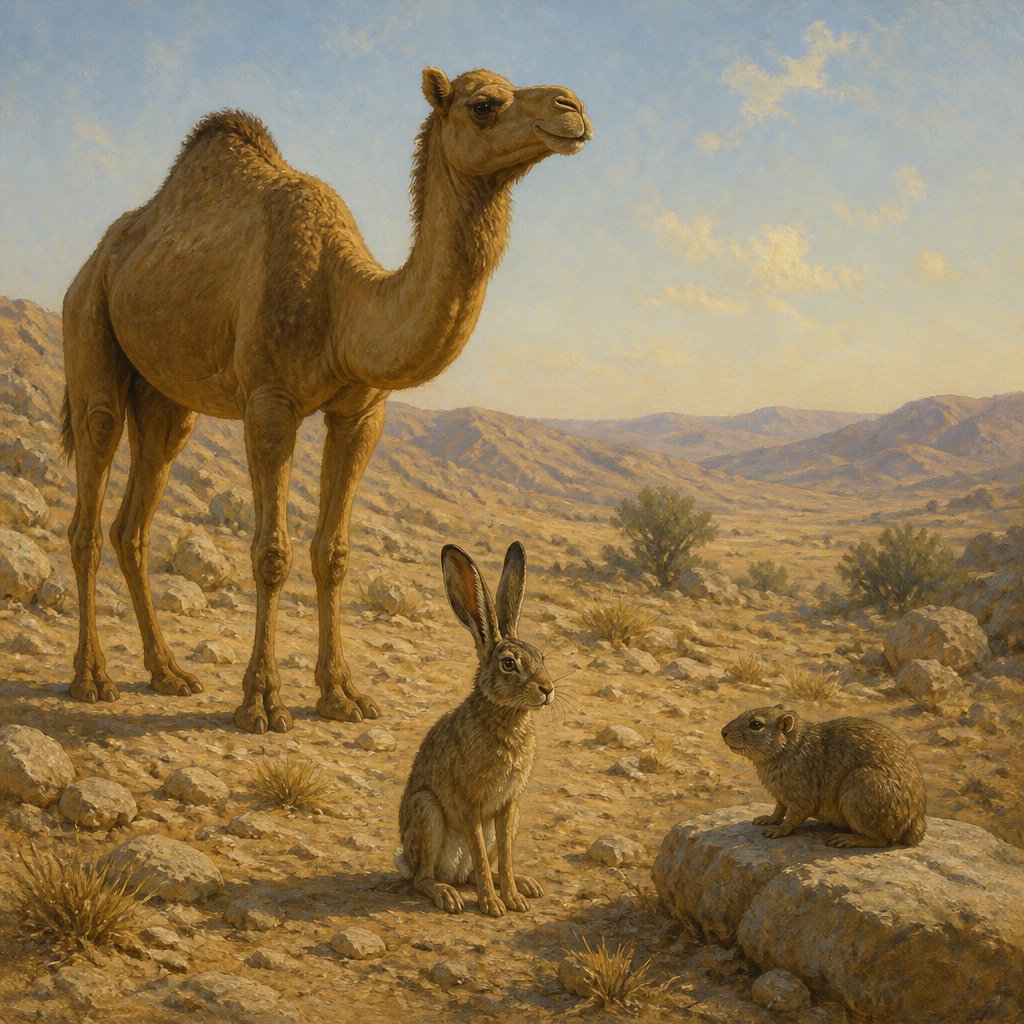
The Bible verse Deuteronomy 14:7 from the King James Version says, "Nevertheless these ye shall not eat of them that chew the cud, or of them that divide the cloven hoof; as the camel, and the hare, and the coney: for they chew the cud, but divide not the hoof; therefore they are unclean unto you." This verse is part of a larger passage in the book of Deuteronomy that outlines dietary laws for the Israelites. These laws were given by God to the Israelites as a way to set them apart from other nations and to promote holiness and purity.
In this specific verse, the focus is on the prohibition of eating certain animals that chew the cud but do not have cloven hooves. The animals listed in this verse, the camel, the hare, and the coney (rock hyrax), are considered unclean and therefore off-limits for consumption according to these dietary laws. This rule is part of a larger set of guidelines in the Old Testament that dictates what is clean and unclean for consumption.
The dietary laws in the Old Testament, including the one outlined in this verse, serve as a way for the Israelites to demonstrate their obedience to God and set themselves apart from other nations. By adhering to these laws, the Israelites were showing their commitment to holiness and their willingness to follow God's instructions. Additionally, these laws also served a practical purpose in promoting health and hygiene among the Israelites, as certain animals may carry more health risks than others.
In a broader sense, this verse can also be seen as a metaphor for the importance of discernment and making wise choices. Just as the Israelites were instructed to carefully consider what animals they consumed, we too are called to carefully consider what we allow into our own lives. This can include the media we consume, the relationships we engage in, and the activities we partake in. By exercising discernment and making wise choices, we can maintain spiritual and moral purity and set ourselves apart for God's purposes.
From a symbolic standpoint, the animals mentioned in this verse can also be seen as representations of certain qualities or characteristics. The camel, for example, is often associated with endurance and the ability to survive in harsh conditions. The hare may symbolize agility and quickness, while the coney could represent adaptability and resourcefulness. By avoiding the consumption of these animals, the Israelites were symbolically rejecting these attributes in favor of qualities that align with God's standards of purity and holiness.
The broader context of this verse within the book of Deuteronomy is significant in understanding its meaning and relevance. Deuteronomy is a book that contains the final words and instructions of Moses to the Israelites before they enter the Promised Land. It serves as a reminder of God's faithfulness and the importance of obedience to His commands. The dietary laws outlined in this verse are just one aspect of the broader moral and ethical guidelines given to the Israelites as they prepare to enter the land that God had promised to them.
In conclusion, Deuteronomy 14:7 from the King James Version of the Bible outlines a specific dietary law given to the Israelites as part of their covenant relationship with God. This verse serves as a reminder of the importance of obedience, discernment, and holiness in the lives of believers. It also symbolizes the need to make wise choices and align ourselves with God's standards of purity and moral living. Understanding the historical, cultural, and symbolic significance of this verse enhances its relevance and application to our lives today.
Have questions about Deuteronomy 14:7?
Dive deeper into this scripture with Bible Chat — an AI-powered tool for exploring God's Word through conversation. Ask questions, get context, and grow in your understanding of the Bible.
Get Our Apps


Deuteronomy 14:7 Artwork
Deuteronomy 14:7 - "Nevertheless these ye shall not eat of them that chew the cud, or of them that divide the cloven hoof; as the camel, and the hare, and the coney: for they chew the cud, but divide not the hoof; therefore they are unclean unto you."
"Nevertheless these ye shall not eat of them that chew the cud, or of them that divide the cloven hoof; as the camel, and the hare, and the coney: for they chew the cud, but divide not the hoof; therefore they are unclean unto you." - Deuteronomy 14:7

Deuteronomy 7:14 - "Thou shalt be blessed above all people: there shall not be male or female barren among you, or among your cattle."

Deuteronomy 14:14 - "And every raven after his kind,"

Deuteronomy 14:17 - "And the pelican, and the gier eagle, and the cormorant,"

"And every raven after his kind," - Deuteronomy 14:14

Deuteronomy 14:16 - "The little owl, and the great owl, and the swan,"
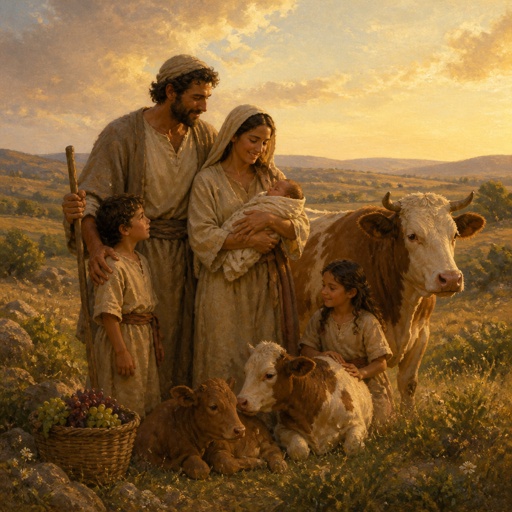
"Thou shalt be blessed above all people: there shall not be male or female barren among you, or among your cattle." - Deuteronomy 7:14

Deuteronomy 14:3 - "¶ Thou shalt not eat any abominable thing."

Deuteronomy 14:11 - "¶ Of all clean birds ye shall eat."

Deuteronomy 14:20 - "But of all clean fowls ye may eat."

Deuteronomy 14:13 - "And the glede, and the kite, and the vulture after his kind,"

Deuteronomy 14:18 - "And the stork, and the heron after her kind, and the lapwing, and the bat."

Deuteronomy 14:12 - "But these are they of which ye shall not eat: the eagle, and the ossifrage, and the ospray,"

Deuteronomy 14:15 - "And the owl, and the night hawk, and the cuckow, and the hawk after his kind,"

Deuteronomy 29:14 - "Neither with you only do I make this covenant and this oath;"

Deuteronomy 14:4 - "These are the beasts which ye shall eat: the ox, the sheep, and the goat,"

Deuteronomy 14:19 - "And every creeping thing that flieth is unclean unto you: they shall not be eaten."

Deuteronomy 25:14 - "Thou shalt not have in thine house divers measures, a great and a small."

"And the pelican, and the gier eagle, and the cormorant," - Deuteronomy 14:17

Deuteronomy 27:14 - "¶ And the Levites shall speak, and say unto all the men of Israel with a loud voice,"

Deuteronomy 14:10 - "And whatsoever hath not fins and scales ye may not eat; it is unclean unto you."

Deuteronomy 14:5 - "The hart, and the roebuck, and the fallow deer, and the wild goat, and the pygarg, and the wild ox, and the chamois."

Deuteronomy 33:14 - "And for the precious fruits brought forth by the sun, and for the precious things put forth by the moon,"

Deuteronomy 3:7 - "But all the cattle, and the spoil of the cities, we took for a prey to ourselves."

Deuteronomy 5:7 - "Thou shalt have none other gods before me."

Deuteronomy 10:14 - "Behold, the heaven and the heaven of heavens is the LORD'S thy God, the earth also, with all that therein is."

Deuteronomy 1:14 - "And ye answered me, and said, The thing which thou hast spoken is good for us to do."

Deuteronomy 14:9 - "¶ These ye shall eat of all that are in the waters: all that have fins and scales shall ye eat:"

Deuteronomy 6:14 - "Ye shall not go after other gods, of the gods of the people which are round about you;"