What does Deuteronomy 14:22 mean?
"Thou shalt truly tithe all the increase of thy seed, that the field bringeth forth year by year." - Deuteronomy 14:22
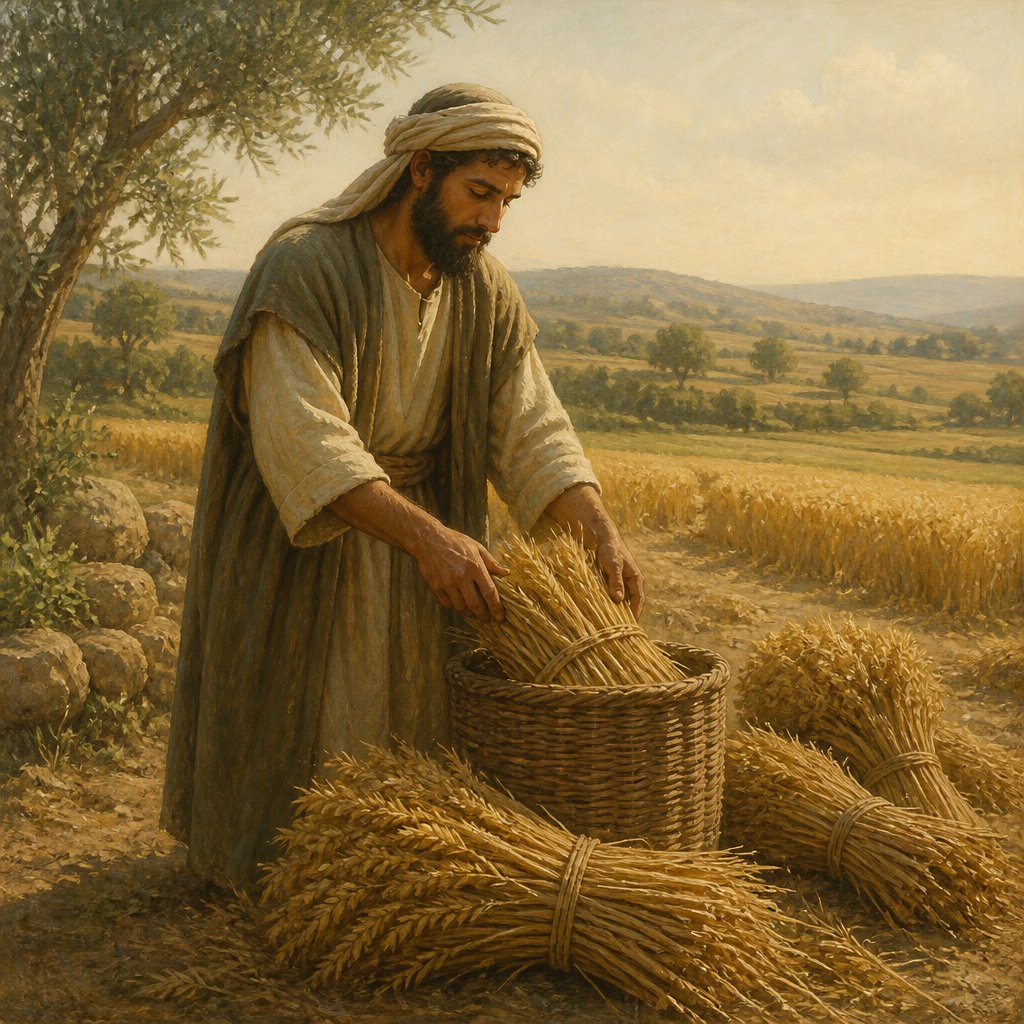
Deuteronomy 14:22 in the King James Version reads, "Thou shalt truly tithe all the increase of thy seed, that the field bringeth forth year by year." This verse is part of the larger context of Deuteronomy, which is essentially a retelling of the laws and commandments given to the Israelites by Moses before they entered the Promised Land. The book of Deuteronomy is often viewed as a call to obedience and faithfulness to God, and this verse is no exception.
In its historical context, this verse is part of a section that deals with various ways in which the Israelites were to present offerings and tithes to the Lord. The verse specifically addresses the practice of tithing, which involved giving a tenth of one's income or produce to the Lord. The Israelites were to give a tithe of "all the increase of thy seed," referring to the crops and produce that their fields yielded. This practice was meant to acknowledge God's provision and sovereignty over the land and to support the priests and Levites who served in the tabernacle.
One of the key themes of this verse is stewardship. The Israelites were called to be good stewards of the land and resources that God had given them. By tithing a portion of their produce, they were showing gratitude for God's provision and acknowledging that all they had was ultimately His. This practice of tithing was a way of actively living out their faith and trusting in God's continued provision.
The concept of tithing also reflects the importance of honoring God with one's possessions and finances. Giving a portion of their income to the Lord was a tangible way for the Israelites to demonstrate their faith and commitment to Him. It was also a means of supporting the religious leaders and the temple, ensuring that the spiritual needs of the community were met.
Symbolically, tithing is often seen as a representation of the believer's trust in God. By willingly giving a portion of their income, individuals demonstrate their reliance on God as their provider and sustainer. Tithing also serves as a reminder that God is the ultimate owner of all things, and that everything we have is ultimately entrusted to us by Him.
This verse also emphasizes the importance of consistency in tithing, as it mentions tithing "year by year." This suggests that tithing was to be a regular and ongoing practice, rather than a one-time event. This principle of regular giving reflects the idea of a steadfast and faithful commitment to God and His purposes.
From a broader theological perspective, this verse speaks to the principle of generosity and sacrificial giving. Tithing was not merely an obligation, but a way for the Israelites to participate in the work of God's kingdom and support the spiritual community. This principle of sacrificial giving is echoed throughout the New Testament, where believers are encouraged to give generously and cheerfully as an outpouring of their gratitude and love for God.
In conclusion, Deuteronomy 14:22 in the King James Version underscores the importance of tithing as a spiritual discipline that reflects one's trust in God, commitment to stewardship, and sacrificial love for others. It serves as a reminder of the believer's dependence on God and the call to honor Him with all aspects of their lives, including their finances. This verse continues to be a source of wisdom and guidance for believers today, challenging them to be faithful in their giving and to live out their faith in tangible ways.
Have questions about Deuteronomy 14:22?
Dive deeper into this scripture with Bible Chat — an AI-powered tool for exploring God's Word through conversation. Ask questions, get context, and grow in your understanding of the Bible.
Get Our Apps


Deuteronomy 14:22 Artwork

Deuteronomy 14:22 - "Thou shalt truly tithe all the increase of thy seed, that the field bringeth forth year by year."
"Thou shalt truly tithe all the increase of thy seed, that the field bringeth forth year by year." - Deuteronomy 14:22

Deuteronomy 14:22-29 - "Be sure to set aside a tenth of all that your fields produce each year. Eat the tithe of your grain, new wine and olive oil, and the firstborn of your herds and flocks in the presence of the Lord your God at the place he will choose as a dwelling for his Name, so that you may learn to revere the Lord your God always. But if that place is too distant and you have been blessed by the Lord your God and cannot carry your tithe (because the place where the Lord will choose to put his Name is so far away), then exchange your tithe for silver, and take the silver with you and go to the place the Lord your God will choose. Use the silver to buy whatever you like: cattle, sheep, wine or other fermented drink, or anything you wish. Then you and your household shall eat there in the presence of the Lord your God and rejoice. And do not neglect the Levites living in your towns, for they have no allotment or inheritance of their own. At the end of every three years, bring all the tithes of that year’s produce and store it in your towns, so that the Levites (who have no allotment or inheritance of their own) and the foreigners, the fatherless and the widows who live in your towns may come and eat and be satisfied, and so that the Lord your God may bless you in all the work of your hands."
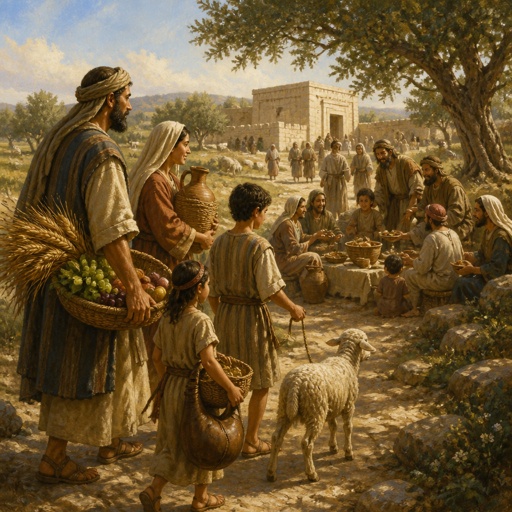
"Be sure to set aside a tenth of all that your fields produce each year. Eat the tithe of your grain, new wine and olive oil, and the firstborn of your herds and flocks in the presence of the Lord your God at the place he will choose as a dwelling for his Name, so that you may learn to revere the Lord your God always. But if that place is too distant and you have been blessed by the Lord your God and cannot carry your tithe (because the place where the Lord will choose to put his Name is so far away), then exchange your tithe for silver, and take the silver with you and go to the place the Lord your God will choose. Use the silver to buy whatever you like: cattle, sheep, wine or other fermented drink, or anything you wish. Then you and your household shall eat there in the presence of the Lord your God and rejoice. And do not neglect the Levites living in your towns, for they have no allotment or inheritance of their own. At the end of every three years, bring all the tithes of that year’s produce and store it in your towns, so that the Levites (who have no allotment or inheritance of their own) and the foreigners, the fatherless and the widows who live in your towns may come and eat and be satisfied, and so that the Lord your God may bless you in all the work of your hands." - Deuteronomy 14:22-29

Deuteronomy 22:14 - "And give occasions of speech against her, and bring up an evil name upon her, and say, I took this woman, and when I came to her, I found her not a maid:"

Deuteronomy 14:14 - "And every raven after his kind,"

Deuteronomy 22:20 - "But if this thing be true, and the tokens of virginity be not found for the damsel:"

Deuteronomy 22:10 - "¶ Thou shalt not plow with an ox and an ass together."

Deuteronomy 14:17 - "And the pelican, and the gier eagle, and the cormorant,"

"And every raven after his kind," - Deuteronomy 14:14

Deuteronomy 22:18 - "And the elders of that city shall take that man and chastise him;"

Deuteronomy 23:22 - "But if thou shalt forbear to vow, it shall be no sin in thee."

Deuteronomy 14:16 - "The little owl, and the great owl, and the swan,"

Deuteronomy 9:22 - "And at Taberah, and at Massah, and at Kibroth-hattaavah, ye provoked the LORD to wrath."

Deuteronomy 22:11 - "¶ Thou shalt not wear a garment of divers sorts, as of woollen and linen together."

Deuteronomy 22:13 - "¶ If any man take a wife, and go in unto her, and hate her,"

Deuteronomy 14:3 - "¶ Thou shalt not eat any abominable thing."

Deuteronomy 31:22 - "¶ Moses therefore wrote this song the same day, and taught it the children of Israel."

Deuteronomy 14:11 - "¶ Of all clean birds ye shall eat."

Deuteronomy 14:20 - "But of all clean fowls ye may eat."

Deuteronomy 14:13 - "And the glede, and the kite, and the vulture after his kind,"

Deuteronomy 22:27 - "For he found her in the field, and the betrothed damsel cried, and there was none to save her."

Deuteronomy 14:18 - "And the stork, and the heron after her kind, and the lapwing, and the bat."

Deuteronomy 14:12 - "But these are they of which ye shall not eat: the eagle, and the ossifrage, and the ospray,"

Deuteronomy 22:23 - "¶ If a damsel that is a virgin be betrothed unto an husband, and a man find her in the city, and lie with her;"

Deuteronomy 3:22 - "Ye shall not fear them: for the LORD your God he shall fight for you."

Deuteronomy 33:22 - "¶ And of Dan he said, Dan is a lion's whelp: he shall leap from Bashan."

Genesis 22 14

Genesis 22-14

Deuteronomy 14:15 - "And the owl, and the night hawk, and the cuckow, and the hawk after his kind,"