What does Deuteronomy 14:20 mean?
"But of all clean fowls ye may eat." - Deuteronomy 14:20

Deuteronomy 14:20 (KJV) states: "But of all clean fowls ye may eat."
This verse is part of a larger passage in the book of Deuteronomy, which is the fifth book of the Hebrew Bible. It is a book of law and instruction given by Moses to the Israelites as they prepared to enter the Promised Land. Deuteronomy emphasizes the importance of obeying God's commandments and living in accordance with His will.
In the context of this verse, Moses is instructing the Israelites on which animals are considered clean and suitable for consumption. The dietary laws outlined in the book of Deuteronomy are a significant part of the Jewish faith and are followed by observant Jews to this day. These laws dictate which animals can be eaten and how they should be slaughtered and prepared. This is why the verse emphasizes the permissibility of eating clean fowls, indicating that these birds are acceptable for consumption according to the laws of kashrut (Jewish dietary laws).
The theme of dietary laws in Deuteronomy serves several important purposes. First, it is a way for the Israelites to demonstrate their obedience and faithfulness to God. Following the dietary laws is a form of religious observance and a means of maintaining purity and holiness. By abstaining from certain foods and only consuming those deemed clean, the Israelites set themselves apart as a chosen and obedient people.
Additionally, the dietary laws in Deuteronomy serve a practical purpose. Many of the restrictions on food consumption are related to health and safety. By avoiding certain animals or ensuring they are properly slaughtered and prepared, the Israelites were able to minimize the risk of consuming harmful or contaminated food. This demonstrates the concern for physical well-being and health that is emphasized throughout the Bible.
Symbolically, the concept of clean and unclean animals in Deuteronomy can also be interpreted as a reflection of moral and spiritual purity. The distinction between clean and unclean animals carries a deeper meaning, representing the idea of purity and impurity in a broader sense. The Israelites were called to live lives that were morally upright and spiritually pure, and the dietary laws served as a tangible expression of this call.
Ultimately, the dietary laws in Deuteronomy reflect the idea of living in accordance with God's will in all aspects of life. By obeying the laws regarding which animals to eat, the Israelites demonstrated their commitment to honoring God's guidance and living in harmony with His commands. This concept of living in obedience to God's will is a recurring theme throughout the Bible, and the dietary laws in Deuteronomy serve as a tangible expression of this larger spiritual principle.
In summary, Deuteronomy 14:20 is a verse that emphasizes the importance of following the dietary laws outlined in the book of Deuteronomy. It reflects themes of obedience to God, the practical importance of health and safety, and the symbolic significance of moral and spiritual purity. The verse serves as a reminder of the Israelites' commitment to living in accordance with God's will and demonstrates the broader principle of living in obedience to His commands.
Have questions about Deuteronomy 14:20?
Dive deeper into this scripture with Bible Chat — an AI-powered tool for exploring God's Word through conversation. Ask questions, get context, and grow in your understanding of the Bible.
Get Our Apps


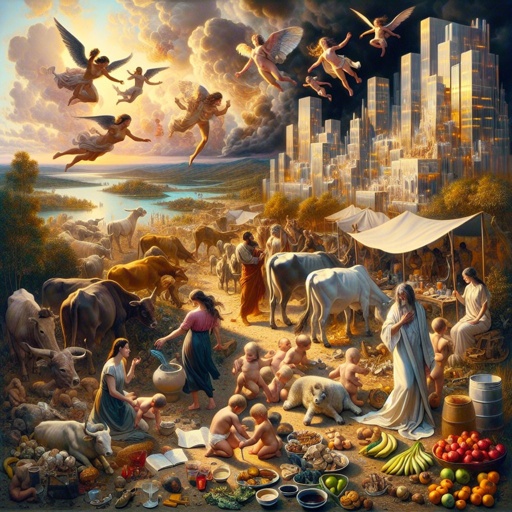
Deuteronomy 14:20 Artwork

Deuteronomy 14:20 - "But of all clean fowls ye may eat."

"But of all clean fowls ye may eat." - Deuteronomy 14:20
Deuteronomy 20:14 - "But the women, and the little ones, and the cattle, and all that is in the city, even all the spoil thereof, shalt thou take unto thyself; and thou shalt eat the spoil of thine enemies, which the LORD thy God hath given thee."

Deuteronomy 20:16

Deuteronomy 14:14 - "And every raven after his kind,"

Deuteronomy 20:16

Deuteronomy 20:16

Create a picture of Deuteronomy 11:20

Deuteronomy 22:20 - "But if this thing be true, and the tokens of virginity be not found for the damsel:"

Deuteronomy 14:17 - "And the pelican, and the gier eagle, and the cormorant,"

"And every raven after his kind," - Deuteronomy 14:14

Deuteronomy 14:16 - "The little owl, and the great owl, and the swan,"

Deuteronomy 14:3 - "¶ Thou shalt not eat any abominable thing."

Deuteronomy 14:11 - "¶ Of all clean birds ye shall eat."

Deuteronomy 14:13 - "And the glede, and the kite, and the vulture after his kind,"

Deuteronomy 5:20 - "Neither shalt thou bear false witness against thy neighbour."

Deuteronomy 14:18 - "And the stork, and the heron after her kind, and the lapwing, and the bat."

Deuteronomy 14:12 - "But these are they of which ye shall not eat: the eagle, and the ossifrage, and the ospray,"

Deuteronomy 20:12 - "And if it will make no peace with thee, but will make war against thee, then thou shalt besiege it:"

John 20:14

Exodus 20:14

Deuteronomy 14:15 - "And the owl, and the night hawk, and the cuckow, and the hawk after his kind,"

Deuteronomy 29:14 - "Neither with you only do I make this covenant and this oath;"

Genesis 20-14

Deuteronomy 20:10 - "¶ When thou comest nigh unto a city to fight against it, then proclaim peace unto it."

Deuteronomy 14:4 - "These are the beasts which ye shall eat: the ox, the sheep, and the goat,"

Deuteronomy 14:19 - "And every creeping thing that flieth is unclean unto you: they shall not be eaten."

Deuteronomy 25:14 - "Thou shalt not have in thine house divers measures, a great and a small."

Deuteronomy 11:20 - "And thou shalt write them upon the door posts of thine house, and upon thy gates:"

Deuteronomy 20:20 - "Only the trees which thou knowest that they be not trees for meat, thou shalt destroy and cut them down; and thou shalt build bulwarks against the city that maketh war with thee, until it be subdued."