What does Deuteronomy 14:18 mean?
"And the stork, and the heron after her kind, and the lapwing, and the bat." - Deuteronomy 14:18

Deuteronomy 14:18 in the King James Version of the Bible reads, "And the stork, and the heron after her kind, and the lapwing, and the bat." This verse comes from a chapter in Deuteronomy that outlines various dietary laws and restrictions for the people of Israel. The chapter begins by reminding the Israelites that they are God's chosen people and that they should not mourn or disfigure themselves for the dead, as the other nations do. It then goes on to list the animals that are considered clean and acceptable for consumption, as well as those that are unclean and should be avoided.
In the specific verse of Deuteronomy 14:18, it mentions several birds and a bat, which were considered unclean and not suitable for food according to the dietary laws outlined in the Old Testament. The stork, heron, lapwing, and bat were all unclean animals that the Israelites were commanded not to eat. These dietary laws were meant to set the Israelites apart from the surrounding pagan cultures and to promote holiness and purity.
There are several themes and important contextual factors to consider when interpreting this verse. Firstly, the dietary laws in the Old Testament were not simply about hygiene or nutrition, but they were also intended to symbolize and reinforce the idea of holiness and separation for the Israelites. By abstaining from certain foods, the Israelites were reminded to live in a way that was set apart and pleasing to God. This idea of holiness and separation is a recurring theme throughout the Bible, and it reflects the Israelites' unique relationship with God and their commitment to following His commands.
Additionally, the mention of unclean birds and a bat in this verse serves as a reminder of the Israelites' call to holiness and purity. The animals listed were likely considered unclean due to their scavenging habits or other reasons that made them unfit for consumption. By avoiding these unclean animals, the Israelites were called to exercise self-discipline and to reflect their commitment to obeying God's laws. The dietary laws provided a constant reminder for the people of Israel to live in a way that honored God and set them apart from other nations.
Furthermore, the specific mention of these unclean animals also reflects the Israelites' responsibility to steward God's creation. In the book of Genesis, God gave humans dominion over the earth and charged them with the responsibility of caring for the natural world. By abstaining from consuming certain animals, the Israelites were participating in the divine mandate to care for and respect God's creation. This underscores the importance of environmental stewardship and ethical treatment of animals in the biblical narrative.
Symbolically, the inclusion of these unclean animals in the list of dietary restrictions also points to the broader theme of spiritual purity and moral uprightness. The Israelites were called to be a holy nation and a light to the surrounding peoples. By adhering to the dietary laws, they were reminded to live a life that was pleasing to God and in accordance with His will. The birds and the bat mentioned in Deuteronomy 14:18 were symbols of impurity and defilement, serving as a reminder for the Israelites to strive for personal and communal holiness.
In conclusion, Deuteronomy 14:18 and the broader context of dietary laws in the Old Testament carry important themes of holiness, separation, stewardship, and moral purity. The verse serves as a reminder for the Israelites to live in a way that reflects their unique relationship with God and their commitment to following His commands. It also underscores the importance of caring for God's creation and striving for spiritual and moral uprightness. Overall, this verse and its surrounding context provide valuable insight into the biblical understanding of holiness and ethical living.
Have questions about Deuteronomy 14:18?
Dive deeper into this scripture with Bible Chat — an AI-powered tool for exploring God's Word through conversation. Ask questions, get context, and grow in your understanding of the Bible.
Get Our Apps


Deuteronomy 14:18 Artwork

Deuteronomy 14:18 - "And the stork, and the heron after her kind, and the lapwing, and the bat."

"And the stork, and the heron after her kind, and the lapwing, and the bat." - Deuteronomy 14:18
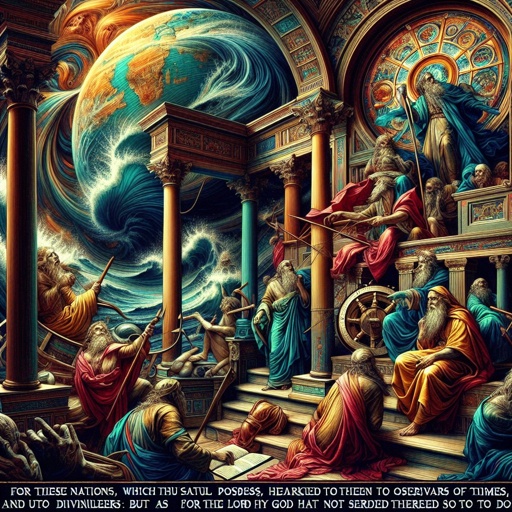
Deuteronomy 18:14 - "For these nations, which thou shalt possess, hearkened unto observers of times, and unto diviners: but as for thee, the LORD thy God hath not suffered thee so to do."

Deuteronomy 14:14 - "And every raven after his kind,"

Deuteronomy 5:18 - "Neither shalt thou commit adultery."

Deuteronomy 14:17 - "And the pelican, and the gier eagle, and the cormorant,"

"And every raven after his kind," - Deuteronomy 14:14

Deuteronomy 18:11 - "Or a charmer, or a consulter with familiar spirits, or a wizard, or a necromancer."

Deuteronomy 18:13 - "Thou shalt be perfect with the LORD thy God."

Deuteronomy 14:16 - "The little owl, and the great owl, and the swan,"

Deuteronomy 22:18 - "And the elders of that city shall take that man and chastise him;"

Deuteronomy 14:3 - "¶ Thou shalt not eat any abominable thing."

Deuteronomy 14:11 - "¶ Of all clean birds ye shall eat."

Deuteronomy 14:20 - "But of all clean fowls ye may eat."

Deuteronomy 14:13 - "And the glede, and the kite, and the vulture after his kind,"

Deuteronomy 2:18 - "Thou art to pass over through Ar, the coast of Moab, this day:"

Deuteronomy 14:12 - "But these are they of which ye shall not eat: the eagle, and the ossifrage, and the ospray,"

Deuteronomy 18:17 - "And the LORD said unto me, They have well spoken that which they have spoken."

Deuteronomy 14:15 - "And the owl, and the night hawk, and the cuckow, and the hawk after his kind,"

Deuteronomy 29:14 - "Neither with you only do I make this covenant and this oath;"

Deuteronomy 14:4 - "These are the beasts which ye shall eat: the ox, the sheep, and the goat,"

Deuteronomy 1:18 - "And I commanded you at that time all the things which ye should do."

Deuteronomy 18:8 - "They shall have like portions to eat, beside that which cometh of the sale of his patrimony."

Genesis 18-14
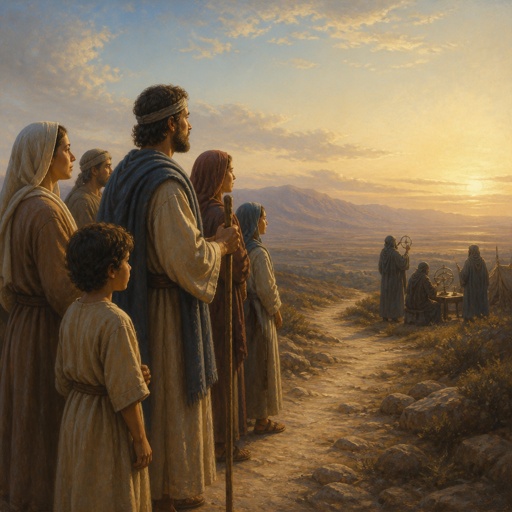
"For these nations, which thou shalt possess, hearkened unto observers of times, and unto diviners: but as for thee, the LORD thy God hath not suffered thee so to do." - Deuteronomy 18:14

Deuteronomy 14:19 - "And every creeping thing that flieth is unclean unto you: they shall not be eaten."

Deuteronomy 25:14 - "Thou shalt not have in thine house divers measures, a great and a small."

Deuteronomy 32:18 - "Of the Rock that begat thee thou art unmindful, and hast forgotten God that formed thee."

Deuteronomy 4:18 - "The likeness of any thing that creepeth on the ground, the likeness of any fish that is in the waters beneath the earth:"

Deuteronomy 33:18 - "¶ And of Zebulun he said, Rejoice, Zebulun, in thy going out; and, Issachar, in thy tents."