What does Deuteronomy 14:11 mean?
"¶ Of all clean birds ye shall eat." - Deuteronomy 14:11
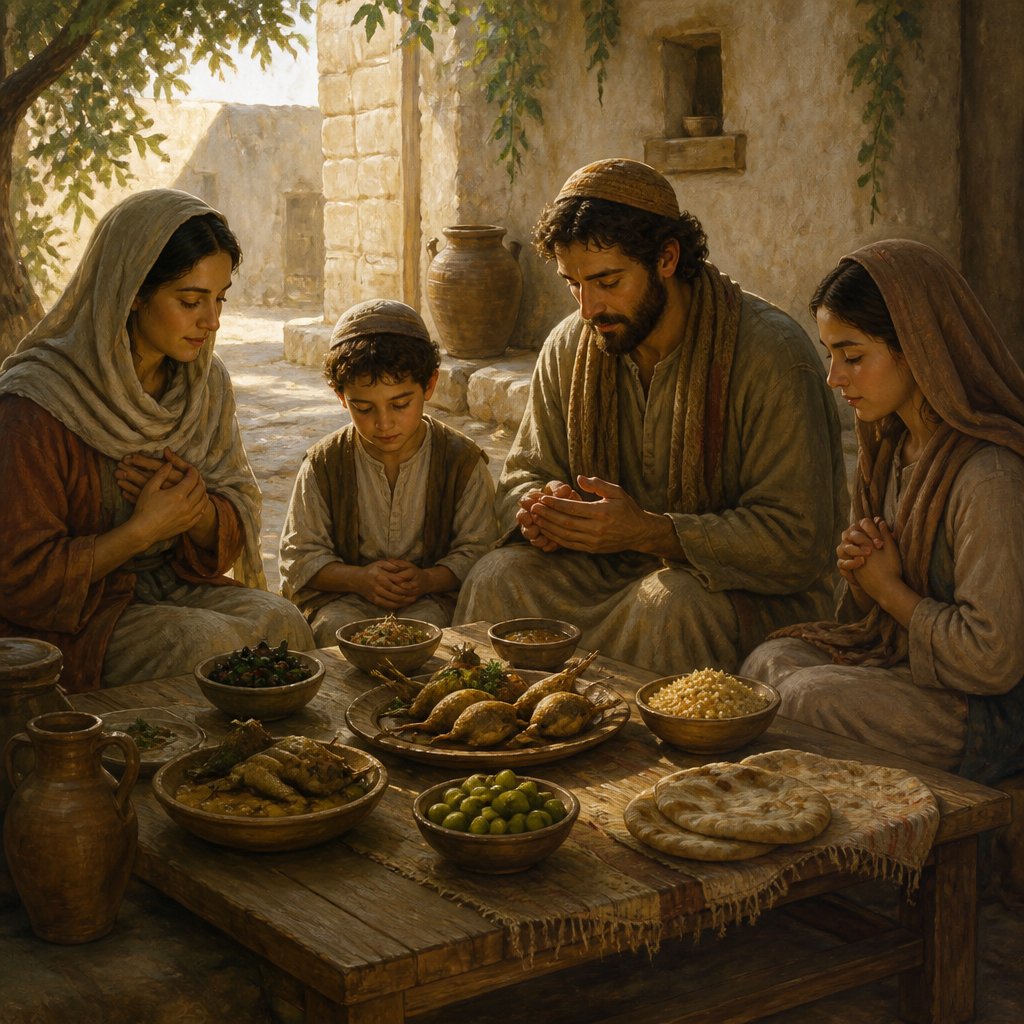
Deuteronomy 14:11 in the King James Version of the Bible reads: "Of all clean birds ye shall eat."
This verse is part of a larger passage in the book of Deuteronomy which contains dietary laws for the Israelites. In this specific verse, it pertains to the types of birds that the Israelites are permitted to eat. The concept of clean and unclean animals is an important aspect of Jewish dietary laws, known as kosher. According to these laws, certain animals are considered clean and permissible to eat, while others are considered unclean and forbidden.
The broader context of Deuteronomy 14 provides a list of animals that are considered clean and suitable for consumption, as well as those that are unclean and not to be eaten. These laws were given to the Israelites by God as a way to set them apart from other nations and to maintain their purity and holiness. This is in line with the overall theme of the book of Deuteronomy, which emphasizes the importance of obedience to God's commandments and the fulfillment of the covenant between God and the Israelites.
The dietary laws in the Old Testament served a dual purpose. Firstly, they were a means of maintaining spiritual purity and obedience to God. By following these guidelines, the Israelites demonstrated their faithfulness and commitment to God's instructions. Secondly, these laws also had practical implications for the health and well-being of the Israelite community. By avoiding certain animals that were more likely to carry diseases or parasites, the Israelites were able to protect themselves from potential health hazards.
The specific mention of clean birds in Deuteronomy 14:11 is significant because it reflects the meticulous attention to detail that is characteristic of the dietary laws. The passage provides a specific list of birds that are considered clean, such as doves, pigeons, and certain types of ducks and geese. By categorizing these birds as clean, the Israelites were able to enjoy a variety of poultry while adhering to the principles of kosher.
Symbolically, the distinction between clean and unclean animals can be seen as a reflection of the broader theme of purity and separation in the Bible. Throughout the Old Testament, God calls His people to be holy and set apart from the world around them. The dietary laws were a visible and tangible way for the Israelites to demonstrate their commitment to this calling, even in the most mundane aspects of their daily lives.
Furthermore, the dietary laws in the Old Testament are often interpreted as a foreshadowing of the moral and spiritual purity that would be fulfilled in the New Testament through Christ. In the New Testament, Jesus declares all foods clean (Mark 7:19), signaling a shift in the way that God's people are to relate to the dietary laws. This change reflects a broader transformation in which the focus shifts from external rituals and regulations to a deeper, heart-level obedience and purity.
In summary, Deuteronomy 14:11 and the surrounding dietary laws carry significant theological, practical, and symbolic importance within the broader context of the Bible. They serve as a tangible expression of the Israelites' commitment to obedience and purity, while also pointing forward to the ultimate fulfillment of God's redemptive purposes through Christ.
Have questions about Deuteronomy 14:11?
Dive deeper into this scripture with Bible Chat — an AI-powered tool for exploring God's Word through conversation. Ask questions, get context, and grow in your understanding of the Bible.
Get Our Apps


Deuteronomy 14:11 Artwork

Deuteronomy 14:11 - "¶ Of all clean birds ye shall eat."
"¶ Of all clean birds ye shall eat." - Deuteronomy 14:11
Deuteronomy 11:14 - "That I will give you the rain of your land in his due season, the first rain and the latter rain, that thou mayest gather in thy corn, and thy wine, and thine oil."

Deuteronomy 14:14 - "And every raven after his kind,"

Deuteronomy 11:23

Deuteronomy 14:17 - "And the pelican, and the gier eagle, and the cormorant,"

"And every raven after his kind," - Deuteronomy 14:14

Deuteronomy 14:16 - "The little owl, and the great owl, and the swan,"

Deuteronomy 11:11 - "But the land, whither ye go to possess it, is a land of hills and valleys, and drinketh water of the rain of heaven:"

Deuteronomy 14:3 - "¶ Thou shalt not eat any abominable thing."

Deuteronomy 14:20 - "But of all clean fowls ye may eat."

Deuteronomy 14:13 - "And the glede, and the kite, and the vulture after his kind,"

Create a picture of Deuteronomy 11:20

Deuteronomy 18:11 - "Or a charmer, or a consulter with familiar spirits, or a wizard, or a necromancer."

Deuteronomy 27:11 - "¶ And Moses charged the people the same day, saying,"

Deuteronomy 14:18 - "And the stork, and the heron after her kind, and the lapwing, and the bat."

Deuteronomy 14:12 - "But these are they of which ye shall not eat: the eagle, and the ossifrage, and the ospray,"

Deuteronomy 14:15 - "And the owl, and the night hawk, and the cuckow, and the hawk after his kind,"

Deuteronomy 29:14 - "Neither with you only do I make this covenant and this oath;"

Nehemiah 11:11-14

Deuteronomy 14:4 - "These are the beasts which ye shall eat: the ox, the sheep, and the goat,"

Deuteronomy 11:26 - "¶ Behold, I set before you this day a blessing and a curse;"

Deuteronomy 14:19 - "And every creeping thing that flieth is unclean unto you: they shall not be eaten."

Deuteronomy 25:14 - "Thou shalt not have in thine house divers measures, a great and a small."

Song of Solomon 1:4

"And the pelican, and the gier eagle, and the cormorant," - Deuteronomy 14:17

Deuteronomy 27:14 - "¶ And the Levites shall speak, and say unto all the men of Israel with a loud voice,"

Deuteronomy 14:10 - "And whatsoever hath not fins and scales ye may not eat; it is unclean unto you."

Deuteronomy 14:5 - "The hart, and the roebuck, and the fallow deer, and the wild goat, and the pygarg, and the wild ox, and the chamois."

Deuteronomy 22:11 - "¶ Thou shalt not wear a garment of divers sorts, as of woollen and linen together."