What does Deuteronomy 13:15 mean?
"Thou shalt surely smite the inhabitants of that city with the edge of the sword, destroying it utterly, and all that is therein, and the cattle thereof, with the edge of the sword." - Deuteronomy 13:15
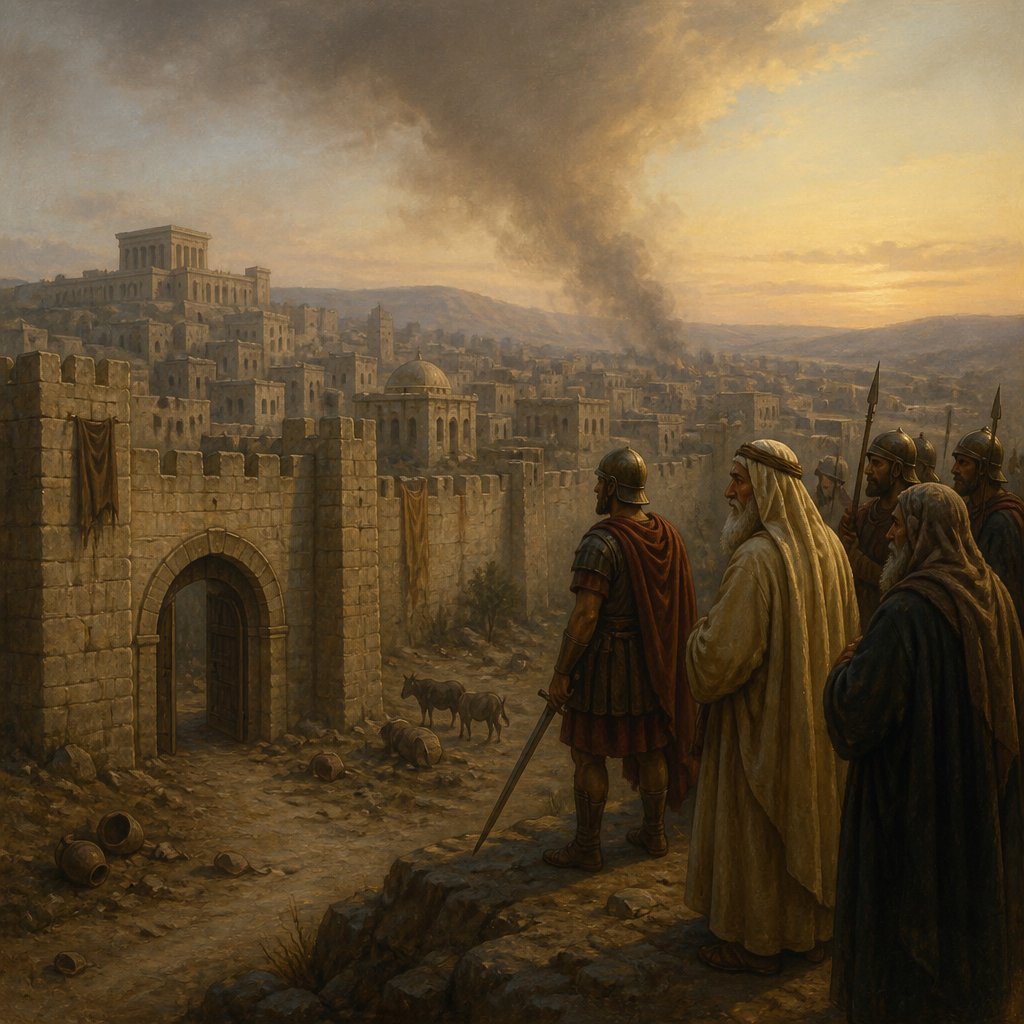
Deuteronomy 13:12-15 (KJV) states: "If thou shalt hear say in one of thy cities, which the Lord thy God hath given thee to dwell there, saying, Certain men, the children of Belial, are gone out from among you, and have withdrawn the inhabitants of their city, saying, Let us go and serve other gods, which ye have not known; Then shalt thou enquire, and make search, and ask diligently; and, behold, if it be truth, and the thing certain, that such abomination is wrought among you; Thou shalt surely smite the inhabitants of that city with the edge of the sword, destroying it utterly, and all that is therein, and the cattle thereof, with the edge of the sword. And thou shalt gather all the spoil of it into the midst of the street thereof, and shalt burn with fire the city, and all the spoil thereof every whit, for the Lord thy God: and it shall be an heap for ever; it shall not be built again."
This passage from the book of Deuteronomy comprises a part of the laws and regulations given by Moses to the Israelites. It addresses the issue of apostasy within the community and the appropriate response to it. The passage lays down strict measures for dealing with individuals or groups who lead others away from the worship of the true God to the worship of foreign gods.
One of the central themes of this passage is the importance of loyalty and faithfulness to God. The idea of serving other gods is considered an abomination and a betrayal of the covenant relationship between God and his people. In the context of ancient Israel, where the worship of pagan gods was prevalent among neighboring nations, the Israelites were repeatedly warned against turning away from the commandments of the Lord. The severe punishment prescribed in this passage reflects the seriousness with which idolatry was viewed and underscores the absolute allegiance that the Israelites were expected to have towards their God.
The concept of truth and justice is also prevalent in this passage. The importance of verifying the truth of the accusations is emphasized before taking any action. The Israelites are instructed to inquire, make diligent search, and ascertain the certainty of the abominable acts being committed. This portrays a sense of fairness and impartiality in dealing with such serious matters, as it prevents false accusations and unjust punishment.
The symbolic significance of the destruction of the city and the burning of the spoils is noteworthy. By completely eradicating the city and all its contents, the Israelites were symbolically purging the community of the corrupting influence of idolatry. The destruction serves as a visible demonstration of the consequences of turning away from God and serves as a warning to others who might be tempted to follow a similar path.
It is important to consider the historical and cultural context of this passage. The ancient Israelites lived in a time when the practice of idol worship was widespread, and the surrounding nations presented constant temptation for them to abandon their faith in the one true God. The strong measures outlined in this passage reflect the urgent need to preserve the monotheistic faith and the distinct identity of the Israelite community in the midst of a polytheistic environment.
In conclusion, Deuteronomy 13:12-15 presents a stringent law for dealing with apostasy and idolatry within the Israelite community. It underscores the importance of unwavering loyalty to God, the pursuit of truth and justice in judgment, and the symbolic significance of purging the community of corrupting influences. This passage serves as a stark reminder of the serious consequences of turning away from the true worship of God and the unwavering commitment expected of his people.
Have questions about Deuteronomy 13:15?
Dive deeper into this scripture with Bible Chat — an AI-powered tool for exploring God's Word through conversation. Ask questions, get context, and grow in your understanding of the Bible.
Get Our Apps


Deuteronomy 13:15 Artwork
"Thou shalt surely smite the inhabitants of that city with the edge of the sword, destroying it utterly, and all that is therein, and the cattle thereof, with the edge of the sword." - Deuteronomy 13:15

Deuteronomy 15:13 - "And when thou sendest him out free from thee, thou shalt not let him go away empty:"
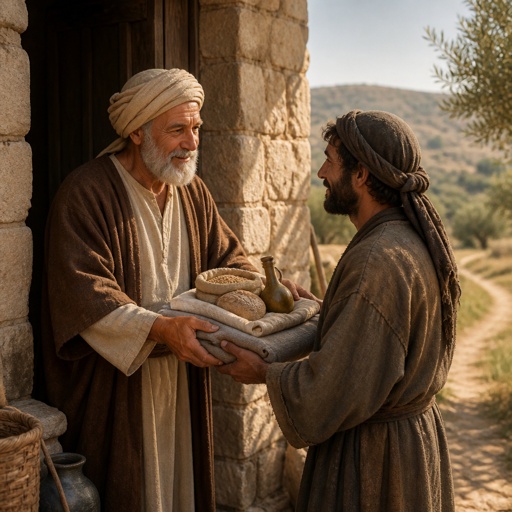
"And when thou sendest him out free from thee, thou shalt not let him go away empty:" - Deuteronomy 15:13

Deuteronomy 3:15 - "And I gave Gilead unto Machir."

Deuteronomy 14:13 - "And the glede, and the kite, and the vulture after his kind,"

Deuteronomy 18:13 - "Thou shalt be perfect with the LORD thy God."

Deuteronomy 15:1 - "At the end of every seven years thou shalt make a release."

Deuteronomy 14:15 - "And the owl, and the night hawk, and the cuckow, and the hawk after his kind,"

Deuteronomy 33:15 - "And for the chief things of the ancient mountains, and for the precious things of the lasting hills,"

Deuteronomy 17:13 - "And all the people shall hear, and fear, and do no more presumptuously."

Deuteronomy 15:15 - "And thou shalt remember that thou wast a bondman in the land of Egypt, and the LORD thy God redeemed thee: therefore I command thee this thing to day."

Deuteronomy 25:13 - "¶ Thou shalt not have in thy bag divers weights, a great and a small."

Deuteronomy 5:13 - "Six days thou shalt labour, and do all thy work:"

Deuteronomy 22:13 - "¶ If any man take a wife, and go in unto her, and hate her,"

Deuteronomy 31:15 - "And the LORD appeared in the tabernacle in a pillar of a cloud: and the pillar of the cloud stood over the door of the tabernacle."

Deuteronomy 11:15 - "And I will send grass in thy fields for thy cattle, that thou mayest eat and be full."

Deuteronomy 30:15 - "¶ See, I have set before thee this day life and good, and death and evil;"

Deuteronomy 13:1 - "If there arise among you a prophet, or a dreamer of dreams, and giveth thee a sign or a wonder,"

Genesis 15:13

Deuteronomy 15:23 - "Only thou shalt not eat the blood thereof; thou shalt pour it upon the ground as water."

"And I gave Gilead unto Machir." - Deuteronomy 3:15

Deuteronomy 6:13 - "Thou shalt fear the LORD thy God, and serve him, and shalt swear by his name."

Deuteronomy 13:11 - "And all Israel shall hear, and fear, and shall do no more any such wickedness as this is among you."

Deuteronomy 15:3 - "Of a foreigner thou mayest exact it again: but that which is thine with thy brother thine hand shall release;"

Deuteronomy 2:15 - "For indeed the hand of the LORD was against them, to destroy them from among the host, until they were consumed."

Deuteronomy 27:13 - "And these shall stand upon mount Ebal to curse; Reuben, Gad, and Asher, and Zebulun, Dan, and Naphtali."

Deuteronomy 12:13 - "Take heed to thyself that thou offer not thy burnt offerings in every place that thou seest:"

Deuteronomy 10:13 - "To keep the commandments of the LORD, and his statutes, which I command thee this day for thy good?"

Ezra 9:13-15

Deuteronomy 23:15 - "¶ Thou shalt not deliver unto his master the servant which is escaped from his master unto thee:"