What does Deuteronomy 12:14 mean?
"But in the place which the LORD shall choose in one of thy tribes, there thou shalt offer thy burnt offerings, and there thou shalt do all that I command thee." - Deuteronomy 12:14
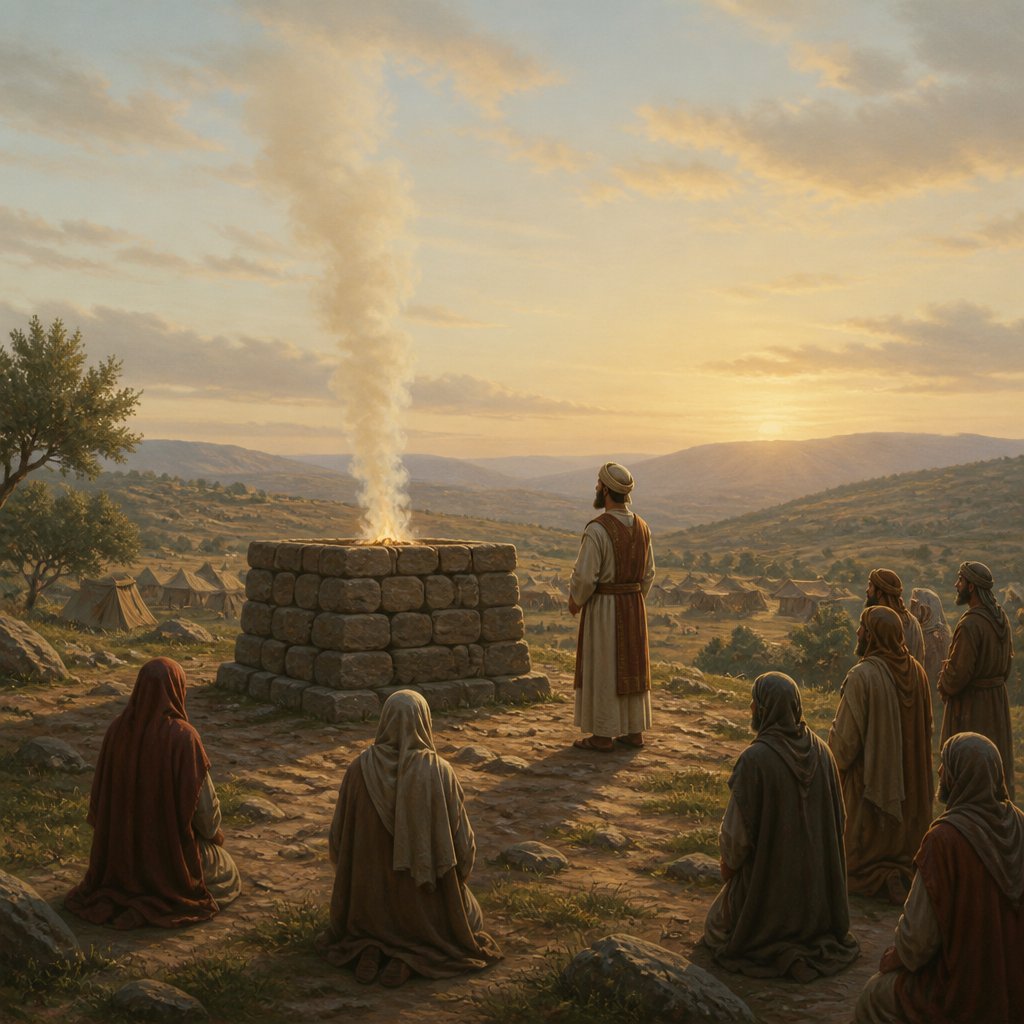
Deuteronomy 12:14 in the King James Version of the Bible reads, "But in the place which the Lord shall choose in one of thy tribes, there thou shalt offer thy burnt offerings, and there thou shalt do all that I command thee."
This verse is a part of the Book of Deuteronomy, which is the fifth book of the Hebrew Bible and the Christian Old Testament. It contains the final words of Moses to the Israelites as they prepare to enter the Promised Land.
The context of this verse is important for understanding its meaning. In the preceding verses, Moses is instructing the Israelites on the proper way to worship God once they have settled in the land. He emphasizes the importance of worshiping in the place that the Lord chooses and following the specific commands given by God.
One of the key themes of this verse is the importance of obedience to God's commands. The Israelites are instructed to offer their burnt offerings and to do all that God commands them in the place that He chooses. This underscores the idea that worship is to be conducted according to God's specific instructions, rather than according to human preferences or traditions.
The idea of a chosen place for worship also carries symbolic significance. In the context of the Israelites' journey to the Promised Land, the chosen place represents God's presence and sovereignty. By worshiping in the chosen place and following God's commands, the Israelites are acknowledging God's authority and their dependence on Him.
Furthermore, the concept of burnt offerings itself is symbolic. It was a form of sacrifice in which the entire animal was consumed by fire, symbolizing complete devotion and surrender to God. By offering these burnt offerings in the chosen place, the Israelites were demonstrating their dedication to God and their desire to be in right relationship with Him.
The language used in this verse is also worth noting. The repeated emphasis on "the place which the Lord shall choose" and "all that I command thee" underscores the importance of obedience and adherence to God's will. It also conveys a sense of reverence and awe for the holiness of the chosen place and the sanctity of God's commands.
In a broader theological sense, this verse also points to the idea of God's transcendence and immanence. The idea of a chosen place for worship suggests that God is not confined to one particular location, yet He chooses to make His presence known in a specific way. This reflects the tension between God's infinite, uncontainable nature and His willingness to meet His people in a tangible, specific manner.
In conclusion, Deuteronomy 12:14 conveys important themes of obedience, worship, and the symbolic significance of chosen places and burnt offerings. It underscores the importance of following God's commands and acknowledging His sovereignty. It also points to the broader theological concepts of God's transcendence and immanence. This verse continues to hold relevance for believers today, serving as a reminder of the importance of worshiping God in spirit and in truth, and of living in obedience to His will.
Have questions about Deuteronomy 12:14?
Dive deeper into this scripture with Bible Chat — an AI-powered tool for exploring God's Word through conversation. Ask questions, get context, and grow in your understanding of the Bible.
Get Our Apps


Deuteronomy 12:14 Artwork
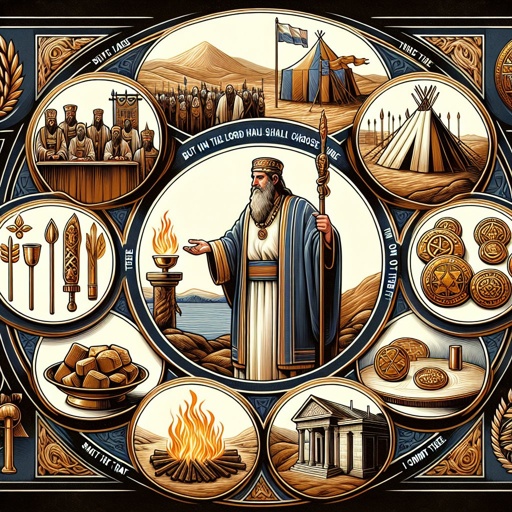
Deuteronomy 12:14 - "But in the place which the LORD shall choose in one of thy tribes, there thou shalt offer thy burnt offerings, and there thou shalt do all that I command thee."
"But in the place which the LORD shall choose in one of thy tribes, there thou shalt offer thy burnt offerings, and there thou shalt do all that I command thee." - Deuteronomy 12:14

Deuteronomy 14:12 - "But these are they of which ye shall not eat: the eagle, and the ossifrage, and the ospray,"
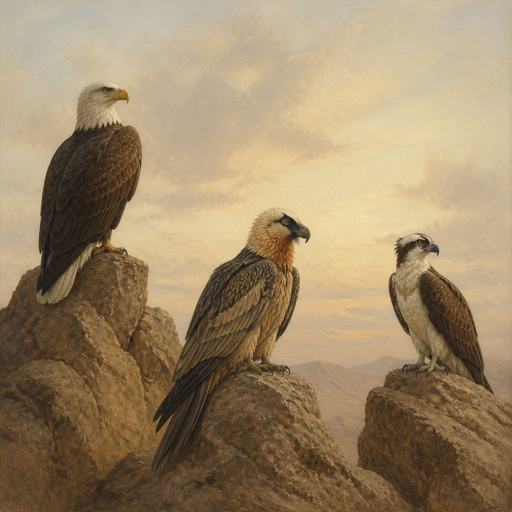
"But these are they of which ye shall not eat: the eagle, and the ossifrage, and the ospray," - Deuteronomy 14:12

Deuteronomy 14:14 - "And every raven after his kind,"

Deuteronomy 14:17 - "And the pelican, and the gier eagle, and the cormorant,"

"And every raven after his kind," - Deuteronomy 14:14

Deuteronomy 14:16 - "The little owl, and the great owl, and the swan,"

Deuteronomy 14:3 - "¶ Thou shalt not eat any abominable thing."

Deuteronomy 14:11 - "¶ Of all clean birds ye shall eat."

Deuteronomy 14:20 - "But of all clean fowls ye may eat."

Deuteronomy 14:13 - "And the glede, and the kite, and the vulture after his kind,"

Deuteronomy 14:18 - "And the stork, and the heron after her kind, and the lapwing, and the bat."

Deuteronomy 14:15 - "And the owl, and the night hawk, and the cuckow, and the hawk after his kind,"

Deuteronomy 29:14 - "Neither with you only do I make this covenant and this oath;"

Deuteronomy 14:4 - "These are the beasts which ye shall eat: the ox, the sheep, and the goat,"

Deuteronomy 24:12 - "And if the man be poor, thou shalt not sleep with his pledge:"

Deuteronomy 12:4 - "Ye shall not do so unto the LORD your God."

Deuteronomy 14:19 - "And every creeping thing that flieth is unclean unto you: they shall not be eaten."

Deuteronomy 25:14 - "Thou shalt not have in thine house divers measures, a great and a small."

1 cor 12:12-14

"And the pelican, and the gier eagle, and the cormorant," - Deuteronomy 14:17

Deuteronomy 27:14 - "¶ And the Levites shall speak, and say unto all the men of Israel with a loud voice,"

Deuteronomy 14:10 - "And whatsoever hath not fins and scales ye may not eat; it is unclean unto you."

Deuteronomy 14:5 - "The hart, and the roebuck, and the fallow deer, and the wild goat, and the pygarg, and the wild ox, and the chamois."

Deuteronomy 12:24 - "Thou shalt not eat it; thou shalt pour it upon the earth as water."

Deuteronomy 32:12 - "So the LORD alone did lead him, and there was no strange god with him."

Deuteronomy 33:14 - "And for the precious fruits brought forth by the sun, and for the precious things put forth by the moon,"

Deuteronomy 5:12 - "Keep the sabbath day to sanctify it, as the LORD thy God hath commanded thee."

Deuteronomy 10:14 - "Behold, the heaven and the heaven of heavens is the LORD'S thy God, the earth also, with all that therein is."