What does Deuteronomy 11:3 mean?
"And his miracles, and his acts, which he did in the midst of Egypt unto Pharaoh the king of Egypt, and unto all his land;" - Deuteronomy 11:3
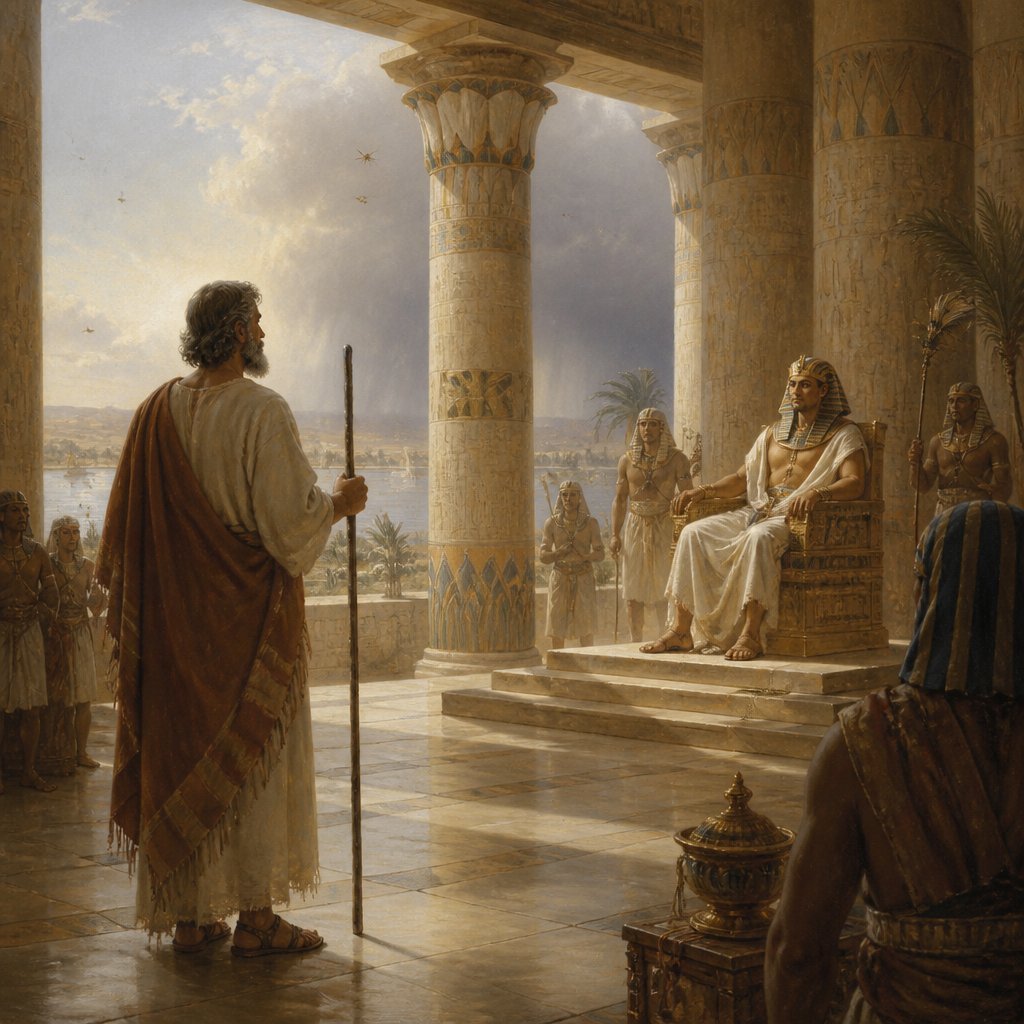
Deuteronomy 11:3 (KJV) states, "And his miracles, and his acts, which he did in the midst of Egypt unto Pharaoh the king of Egypt, and unto all his land."
This verse comes from the book of Deuteronomy, which is the fifth book of the Hebrew Bible and of the Old Testament. It is part of the Torah, which contains the foundational laws and teachings of Judaism. The book of Deuteronomy is attributed to Moses and is presented as a series of speeches that he delivered to the Israelites before they entered the Promised Land.
In this particular verse, the Israelites are being reminded of the miraculous acts that God performed on their behalf during their time in Egypt. These acts were meant to serve as a testament to God's power and faithfulness, as well as a reminder to the Israelites of their special relationship with him.
The theme of God's miracles and acts is a recurring one throughout the Bible, and it serves as a powerful testament to God's power and authority. In the context of Deuteronomy, this verse serves as a reminder to the Israelites of the extraordinary events that led to their liberation from slavery in Egypt. By remembering and recognizing God's involvement in their history, they are called to remain faithful to him and to follow his commandments.
The mention of Pharaoh, the king of Egypt, is significant as it represents the oppressive and powerful force that the Israelites were up against. It also symbolizes the obstacles and challenges that they faced in their journey towards freedom and the Promised Land. The fact that God was able to perform miraculous acts in the midst of Egypt and against Pharaoh shows his supremacy over all earthly powers and his commitment to deliver his people from bondage.
The symbolism of Egypt itself is also significant in this verse. Throughout the Bible, Egypt is often used to represent the world and its systems, as well as sin and oppression. By performing miracles and acts in the midst of Egypt, God demonstrates his power to overcome the forces of evil and to deliver his people from the bondage of sin.
Furthermore, this verse serves as a call to remembrance and reflection for the Israelites. By recalling the miraculous acts of God, they are reminded of his faithfulness and their own responsibility to remain faithful to him. This theme of remembrance and reflection is a common one throughout the Bible, as God often calls his people to remember his faithfulness and to reflect on their own actions and choices.
In conclusion, Deuteronomy 11:3 (KJV) serves as a powerful reminder of God's miraculous acts and his faithfulness to his people. It also calls the Israelites to remember their history and the deliverance that God provided for them. This verse carries themes of God's power, authority, and faithfulness, as well as the symbolism of Egypt as a representation of the world and its systems. It serves as a timeless message for believers to remember and reflect on God's miraculous acts in their own lives and to remain faithful to him.
Have questions about Deuteronomy 11:3?
Dive deeper into this scripture with Bible Chat — an AI-powered tool for exploring God's Word through conversation. Ask questions, get context, and grow in your understanding of the Bible.
Get Our Apps


Deuteronomy 11:3 Artwork

Deuteronomy 11:3 - "And his miracles, and his acts, which he did in the midst of Egypt unto Pharaoh the king of Egypt, and unto all his land;"
"And his miracles, and his acts, which he did in the midst of Egypt unto Pharaoh the king of Egypt, and unto all his land;" - Deuteronomy 11:3
Deuteronomy 3:11 - "For only Og king of Bashan remained of the remnant of giants; behold, his bedstead was a bedstead of iron; is it not in Rabbath of the children of Ammon? nine cubits was the length thereof, and four cubits the breadth of it, after the cubit of a man."

Deuteronomy 11:23

Deuteronomy 11:11 - "But the land, whither ye go to possess it, is a land of hills and valleys, and drinketh water of the rain of heaven:"

Create a picture of Deuteronomy 11:20

Deuteronomy 14:11 - "¶ Of all clean birds ye shall eat."

Deuteronomy 18:11 - "Or a charmer, or a consulter with familiar spirits, or a wizard, or a necromancer."

Deuteronomy 27:11 - "¶ And Moses charged the people the same day, saying,"

Deuteronomy 11:26 - "¶ Behold, I set before you this day a blessing and a curse;"

Deuteronomy 3:15 - "And I gave Gilead unto Machir."

Deuteronomy 3:23 - "And I besought the LORD at that time, saying,"

Deuteronomy 22:11 - "¶ Thou shalt not wear a garment of divers sorts, as of woollen and linen together."

Deuteronomy 14:3 - "¶ Thou shalt not eat any abominable thing."

Deuteronomy 2:11 - "Which also were accounted giants, as the Anakims; but the Moabites call them Emims."

Deuteronomy 11:5 - "And what he did unto you in the wilderness, until ye came into this place;"

Deuteronomy 11:15 - "And I will send grass in thy fields for thy cattle, that thou mayest eat and be full."

Deuteronomy 3:29 - "So we abode in the valley over against Beth-peor."

Deuteronomy 3:7 - "But all the cattle, and the spoil of the cities, we took for a prey to ourselves."

Deuteronomy 28:3 - "Blessed shalt thou be in the city, and blessed shalt thou be in the field."

Deuteronomy 11:7 - "But your eyes have seen all the great acts of the LORD which he did."

Deuteronomy 30:11 - "¶ For this commandment which I command thee this day, it is not hidden from thee, neither is it far off."

Deuteronomy 3:9 - "(Which Hermon the Sidonians call Sirion; and the Amorites call it Shenir;)"

Deuteronomy 11:27 - "A blessing, if ye obey the commandments of the LORD your God, which I command you this day:"

Deuteronomy 13:11 - "And all Israel shall hear, and fear, and shall do no more any such wickedness as this is among you."

Deuteronomy 11:20 - "And thou shalt write them upon the door posts of thine house, and upon thy gates:"

Deuteronomy 34:3 - "And the south, and the plain of the valley of Jericho, the city of palm trees, unto Zoar."

Deuteronomy 2:3 - "Ye have compassed this mountain long enough: turn you northward."

Deuteronomy 11:32 - "And ye shall observe to do all the statutes and judgments which I set before you this day."

Create picture of a Jewish man wearing items in Deuteronomy 11:18