What does Deuteronomy 11:14 mean?
"That I will give you the rain of your land in his due season, the first rain and the latter rain, that thou mayest gather in thy corn, and thy wine, and thine oil." - Deuteronomy 11:14
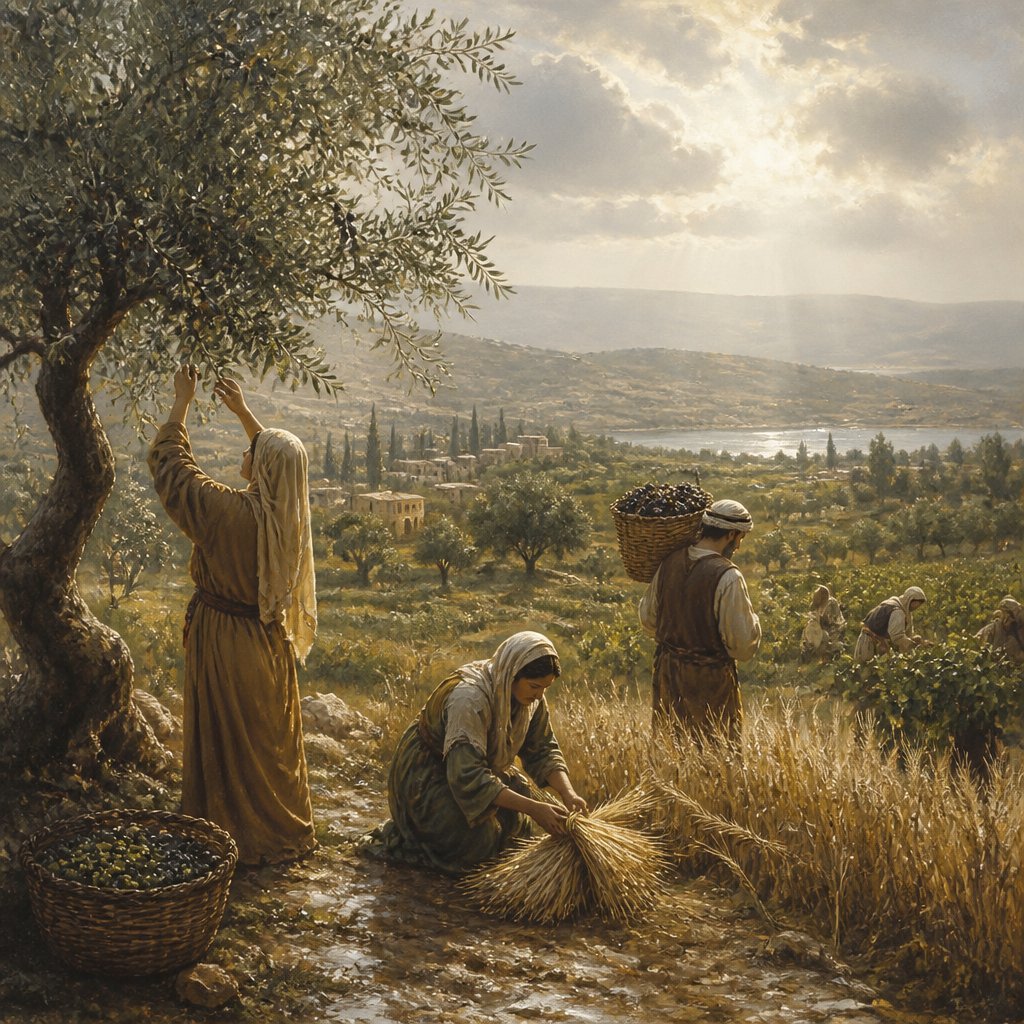
Deuteronomy 11:14 in the King James Version reads, "That I will give you the rain of your land in his due season, the first rain and the latter rain, that thou mayest gather in thy corn, and thy wine, and thine oil."
This verse comes from the book of Deuteronomy, which is a part of the Torah and is considered a book of law and instruction for the Israelites. In this particular verse, Moses is addressing the Israelites, reminding them of the promise of abundance and prosperity that God has made to them.
The verse speaks of the promise of rain in its due season, specifically the first rain and the latter rain. In an agricultural society like ancient Israel, rain was essential for the successful growth of crops. The first rain, which fell in the autumn, softened the dry ground and prepared it for planting. The latter rain, which fell in the spring, nourished the growing crops and helped them to reach maturity. Thus, the promise of rain in its due season was a guarantee of agricultural abundance and sustenance for the people.
On a broader level, this verse can be interpreted as a metaphor for God's faithfulness and provision for his people. The promise of rain in its due season reflects the idea of God providing for the needs of his people at the right time. It speaks to the trust and dependence that the Israelites were called to have in God's provision, and serves as a reminder that God is faithful to fulfill his promises.
The mention of gathering in "thy corn, and thy wine, and thine oil" also points to the agricultural blessings that come from the promised rain. These specific crops – corn, wine, and oil – were staples of the Israelite diet and economy. The abundance of these crops would have been seen as a sign of God's favor and blessing, and a fulfillment of the covenant promises made to the Israelites.
In a broader spiritual sense, this verse can also be seen as pointing to the concept of spiritual abundance and blessing. The image of gathering in the harvest echoes the idea of reaping the fruits of one's labor, and can be seen as a metaphor for the spiritual blessings that come from obedience to God's commands. This verse can serve as a reminder of the spiritual abundance that comes from walking in faith and obedience to God.
From a contextual standpoint, this verse comes in the midst of Moses' exhortation to the Israelites to faithfully observe the laws and commandments that God had given them. Throughout the book of Deuteronomy, Moses repeatedly urges the Israelites to remember and obey the covenant that God had made with them. He reminds them of the blessings that come from obedience, and the consequences of straying from the covenant. In this verse, the promise of rain and agricultural abundance serves as another incentive for the Israelites to remain faithful to God's commands.
Symbolically, the promise of rain in its due season can represent the ebb and flow of God's providence in the lives of his people. Just as the land receives rain at the appointed times, God provides for his people according to his perfect timing and wisdom. The mention of "corn, and thy wine, and thine oil" can also symbolize the physical and spiritual blessings that come from God's provision.
In conclusion, Deuteronomy 11:14 is a verse that speaks to the faithfulness of God in providing for his people, both physically and spiritually. It serves as a reminder of the covenant promises made to the Israelites, and the blessings that come from obedience to God's commands. This verse can inspire us to trust in God's timing and provision, and to seek spiritual abundance through faithful obedience to God.
Have questions about Deuteronomy 11:14?
Dive deeper into this scripture with Bible Chat — an AI-powered tool for exploring God's Word through conversation. Ask questions, get context, and grow in your understanding of the Bible.
Get Our Apps


Deuteronomy 11:14 Artwork
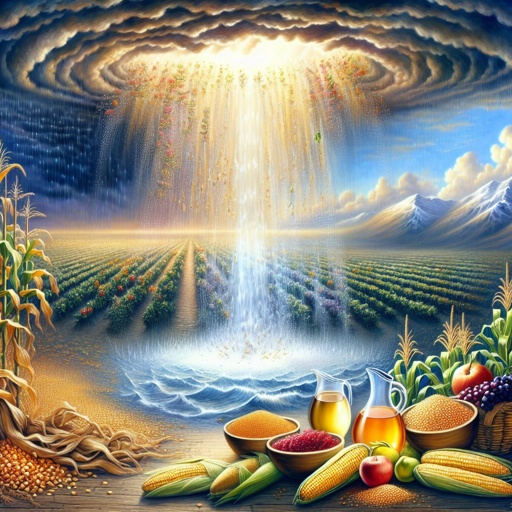
Deuteronomy 11:14 - "That I will give you the rain of your land in his due season, the first rain and the latter rain, that thou mayest gather in thy corn, and thy wine, and thine oil."
"That I will give you the rain of your land in his due season, the first rain and the latter rain, that thou mayest gather in thy corn, and thy wine, and thine oil." - Deuteronomy 11:14

Deuteronomy 14:11 - "¶ Of all clean birds ye shall eat."
"¶ Of all clean birds ye shall eat." - Deuteronomy 14:11

Deuteronomy 14:14 - "And every raven after his kind,"

Deuteronomy 11:23

Deuteronomy 14:17 - "And the pelican, and the gier eagle, and the cormorant,"

"And every raven after his kind," - Deuteronomy 14:14

Deuteronomy 14:16 - "The little owl, and the great owl, and the swan,"

Deuteronomy 11:11 - "But the land, whither ye go to possess it, is a land of hills and valleys, and drinketh water of the rain of heaven:"

Deuteronomy 14:3 - "¶ Thou shalt not eat any abominable thing."

Deuteronomy 14:20 - "But of all clean fowls ye may eat."

Deuteronomy 14:13 - "And the glede, and the kite, and the vulture after his kind,"

Create a picture of Deuteronomy 11:20

Deuteronomy 18:11 - "Or a charmer, or a consulter with familiar spirits, or a wizard, or a necromancer."

Deuteronomy 27:11 - "¶ And Moses charged the people the same day, saying,"

Deuteronomy 14:18 - "And the stork, and the heron after her kind, and the lapwing, and the bat."

Deuteronomy 14:12 - "But these are they of which ye shall not eat: the eagle, and the ossifrage, and the ospray,"

Deuteronomy 14:15 - "And the owl, and the night hawk, and the cuckow, and the hawk after his kind,"

Deuteronomy 29:14 - "Neither with you only do I make this covenant and this oath;"

Nehemiah 11:11-14

Deuteronomy 14:4 - "These are the beasts which ye shall eat: the ox, the sheep, and the goat,"

Deuteronomy 11:26 - "¶ Behold, I set before you this day a blessing and a curse;"

Deuteronomy 14:19 - "And every creeping thing that flieth is unclean unto you: they shall not be eaten."

Deuteronomy 25:14 - "Thou shalt not have in thine house divers measures, a great and a small."

Song of Solomon 1:4

"And the pelican, and the gier eagle, and the cormorant," - Deuteronomy 14:17

Deuteronomy 27:14 - "¶ And the Levites shall speak, and say unto all the men of Israel with a loud voice,"

Deuteronomy 14:10 - "And whatsoever hath not fins and scales ye may not eat; it is unclean unto you."

Deuteronomy 14:5 - "The hart, and the roebuck, and the fallow deer, and the wild goat, and the pygarg, and the wild ox, and the chamois."