What does Deuteronomy 10:2 mean?
"And I will write on the tables the words that were in the first tables which thou brakest, and thou shalt put them in the ark." - Deuteronomy 10:2
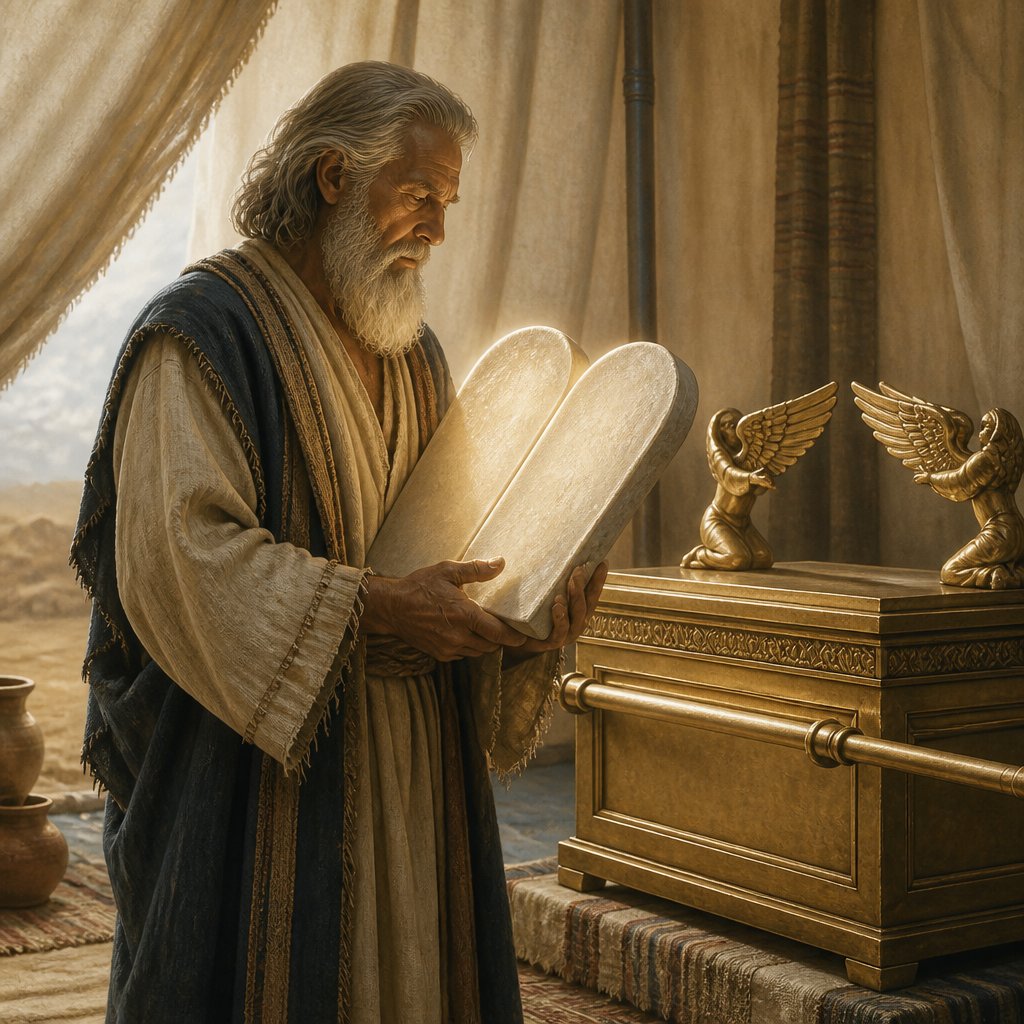
Deuteronomy 10:2 in the King James Version (KJV) states, "And I will write on the tables the words that were in the first tables which thou brakest, and thou shalt put them in the ark." This verse is part of a larger passage in the book of Deuteronomy where Moses is recounting the events that took place following the Israelites' exodus from Egypt. The context of this verse is crucial to understanding its meaning and significance.
To understand the significance of this verse, it is important to understand the context in which it is set. In the preceding chapter, the Israelites had sinned against God by creating a golden calf to worship in the absence of Moses, who was on Mount Sinai receiving the Ten Commandments from God. When Moses came down from the mountain and saw the Israelites worshipping the golden calf, he was filled with anger and threw the tablets containing the Ten Commandments, breaking them in the process. This act symbolized the people's violation of the covenant with God, and it resulted in a great loss for the Israelites.
In Deuteronomy 10:1-5, God instructs Moses to cut two new tablets of stone like the first ones, and God would write on them the words that were on the original tablets. The symbolism here is powerful: God is showing mercy and grace by restoring the broken covenant and providing the Israelites with a second chance. This act demonstrates God's faithfulness and forgiveness, and it reveals his desire for restoration and reconciliation with his people.
The theme of covenant is central to this passage. The tablets of stone, which contain the Ten Commandments, symbolize the covenant between God and the Israelites. By rewriting the commandments on new tablets, God is reaffirming his covenant with the people. This reinforces the idea that God is a faithful and steadfast God who keeps his promises, even when his people are unfaithful. The act of restoring the tablets also signifies the renewal of the covenant and the opportunity for the Israelites to start afresh in their relationship with God.
Furthermore, the ark in which the tablets were to be placed holds great significance in the Old Testament. The ark of the covenant was a sacred object that symbolized the presence of God among his people. Placing the rewritten tablets in the ark emphasises the importance of the commandments as a foundational aspect of the relationship between God and his people. It also signifies the enduring nature of the covenant and God's desire for his people to live in obedience to his commandments.
This passage also speaks to the theme of restoration and redemption. Despite the Israelites' disobedience and sin, God extends grace and offers them a chance to reconcile with him. The act of rewriting the commandments on new tablets symbolizes the opportunity for the people to start anew and to recommit themselves to their covenant with God.
In summary, Deuteronomy 10:2 in the King James Version (KJV) is a powerful reminder of God's faithfulness, mercy, and grace. It illustrates the themes of covenant, restoration, and redemption, and it serves as a foreshadowing of God's ultimate plan for redemption through Jesus Christ. This verse highlights the enduring nature of God's covenant with his people and the lengths to which he goes to restore and reconcile with them. It also serves as a call for believers to remain faithful to God and to live in obedience to his commandments.
Have questions about Deuteronomy 10:2?
Dive deeper into this scripture with Bible Chat — an AI-powered tool for exploring God's Word through conversation. Ask questions, get context, and grow in your understanding of the Bible.
Get Our Apps


Deuteronomy 10:2 Artwork

Deuteronomy 10:2 - "And I will write on the tables the words that were in the first tables which thou brakest, and thou shalt put them in the ark."
"And I will write on the tables the words that were in the first tables which thou brakest, and thou shalt put them in the ark." - Deuteronomy 10:2

Deuteronomy 2:10 - "The Emims dwelt therein in times past, a people great, and many, and tall, as the Anakims;"
"The Emims dwelt therein in times past, a people great, and many, and tall, as the Anakims;" - Deuteronomy 2:10

Deuteronomy 26:4-10

Deuteronomy 26:4-10

Deuteronomy 22:10 - "¶ Thou shalt not plow with an ox and an ass together."

Deuteronomy 10:16 - "Circumcise therefore the foreskin of your heart, and be no more stiffnecked."

Deuteronomy 10:19 - "Love ye therefore the stranger: for ye were strangers in the land of Egypt."

Deuteronomy 2:2 - "And the LORD spake unto me, saying,"

Deuteronomy 14:10 - "And whatsoever hath not fins and scales ye may not eat; it is unclean unto you."

Deuteronomy 5:10 - "And shewing mercy unto thousands of them that love me and keep my commandments."

Deuteronomy 10:10 - "And I stayed in the mount, according to the first time, forty days and forty nights; and the LORD hearkened unto me at that time also, and the LORD would not destroy thee."

Deuteronomy 25:10 - "And his name shall be called in Israel, The house of him that hath his shoe loosed."

Deuteronomy 20:10 - "¶ When thou comest nigh unto a city to fight against it, then proclaim peace unto it."

Deuteronomy 10:14 - "Behold, the heaven and the heaven of heavens is the LORD'S thy God, the earth also, with all that therein is."

Deuteronomy 10:7 - "From thence they journeyed unto Gudgodah; and from Gudgodah to Jotbath, a land of rivers of waters."

Deuteronomy 34:10 - "¶ And there arose not a prophet since in Israel like unto Moses, whom the LORD knew face to face,"

Deuteronomy 10:18 - "He doth execute the judgment of the fatherless and widow, and loveth the stranger, in giving him food and raiment."

Deuteronomy 1:10 - "The LORD your God hath multiplied you, and, behold, ye are this day as the stars of heaven for multitude."

Deuteronomy 10:13 - "To keep the commandments of the LORD, and his statutes, which I command thee this day for thy good?"

Deuteronomy 28:10 - "And all people of the earth shall see that thou art called by the name of the LORD; and they shall be afraid of thee."

Deuteronomy 31:10 - "And Moses commanded them, saying, At the end of every seven years, in the solemnity of the year of release, in the feast of tabernacles,"

Deuteronomy 3:10 - "All the cities of the plain, and all Gilead, and all Bashan, unto Salchah and Edrei, cities of the kingdom of Og in Bashan."
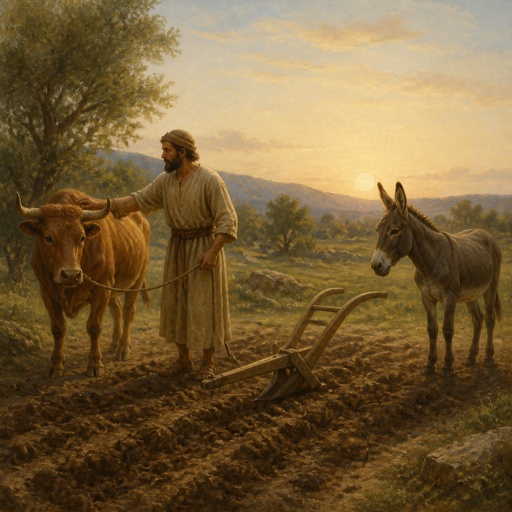
"¶ Thou shalt not plow with an ox and an ass together." - Deuteronomy 22:10

Deuteronomy 2:17 - "That the LORD spake unto me, saying,"

Deuteronomy 19:10 - "That innocent blood be not shed in thy land, which the LORD thy God giveth thee for an inheritance, and so blood be upon thee."

Deuteronomy 24:10 - "¶ When thou dost lend thy brother any thing, thou shalt not go into his house to fetch his pledge."

"Circumcise therefore the foreskin of your heart, and be no more stiffnecked." - Deuteronomy 10:16

Deuteronomy 10:17 - "For the LORD your God is God of gods, and Lord of lords, a great God, a mighty, and a terrible, which regardeth not persons, nor taketh reward:"