What does Colossians 3:10 mean?
"And have put on the new man, which is renewed in knowledge after the image of him that created him:" - Colossians 3:10
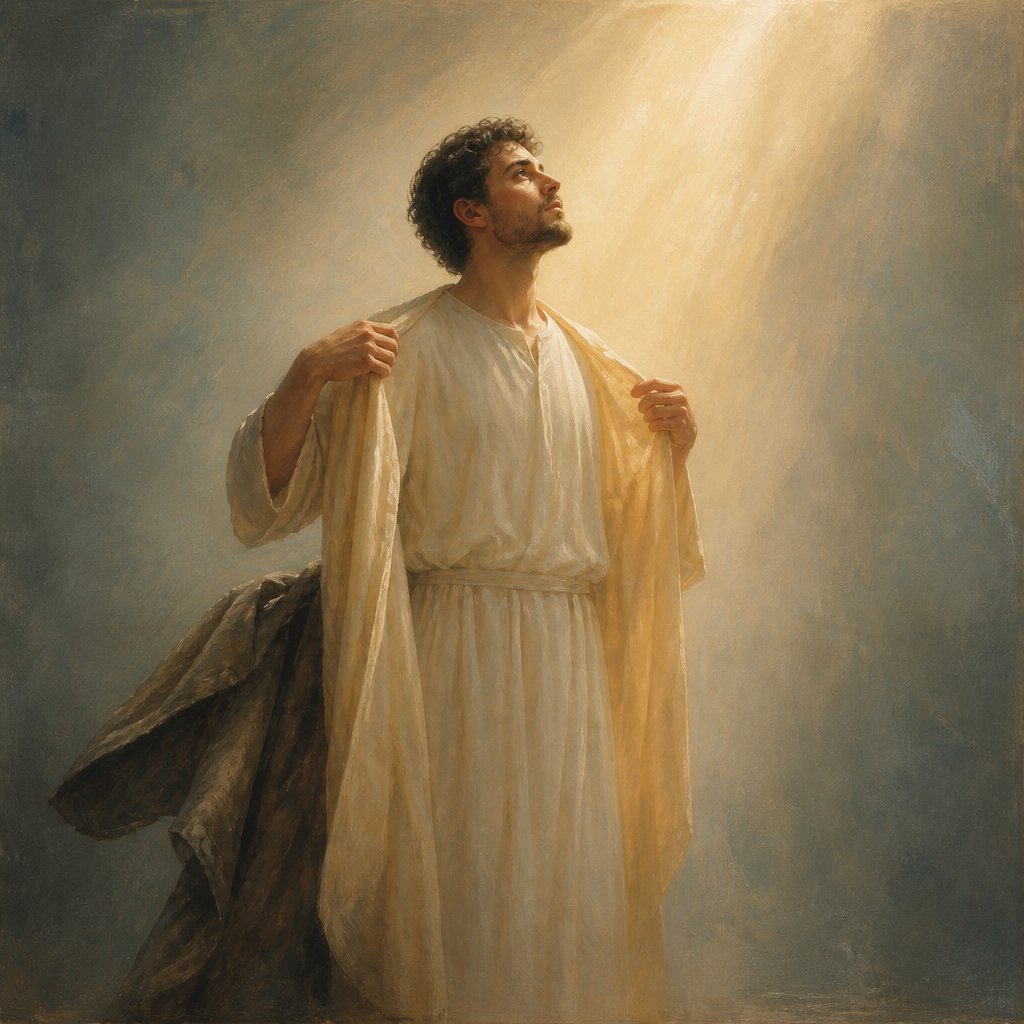
Colossians 3:10 (KJV) reads, "And have put on the new man, which is renewed in knowledge after the image of him that created him." This verse comes from the New Testament epistle to the Colossians, written by the Apostle Paul. It is part of a larger passage in which Paul is exhorting the Colossian Christians to live in harmony with one another and to put off their old, sinful ways and put on the new self, which is in Christ.
The verse is rich in meaning and symbolism, and it speaks to the transformative power of the gospel in the lives of believers. To fully understand the depth of this verse, it is important to examine it in its context and consider the themes present in the larger passage.
The themes present in the larger passage of Colossians 3:10 include the concept of renewal and transformation, the image of God, and the importance of knowledge. Throughout the letter to the Colossians, Paul emphasizes the need for believers to be renewed and transformed by the power of the gospel. This transformation is not just a surface-level change but involves a radical reorientation of one's identity and way of living. Paul uses the image of "putting on the new man" to illustrate this transformation, indicating that it is a deliberate and intentional act on the part of the believer. The new self is created in the image of God, suggesting that it reflects the character and nature of God himself. This underscores the idea that believers are called to embody the virtues of God and to live in a manner consistent with his character.
The verse also emphasizes the importance of knowledge in the process of renewal. The new self is "renewed in knowledge," indicating that this transformation is not passive but requires an active engagement with the truth of the gospel. This knowledge is not mere intellectual understanding but a deep, experiential knowledge that leads to a transformation of the heart and mind. It is through this knowledge that believers come to reflect the image of God and live in a manner consistent with their new identity in Christ.
Symbolically, the verse speaks to the profound change that takes place in the life of a believer upon coming to faith in Christ. The "new man" represents the new identity and nature that believers receive through their union with Christ. This new self is not something that can be achieved through human effort or self-improvement but is a gift of God's grace. The phrase "renewed in knowledge after the image of him that created him" suggests a restoration of the original image of God in which humans were created. This echoes the biblical narrative of creation, in which humanity was made in the image of God but lost that image through sin. Through the work of Christ, believers are restored to a right relationship with God and renewed in the image of their creator.
In its broader theological context, Colossians 3:10 also speaks to the concept of sanctification, which is the ongoing process by which believers are conformed to the image of Christ. It underscores the idea that the Christian life is marked by continual growth and transformation, as believers increasingly reflect the character of God and live in obedience to His will.
In conclusion, Colossians 3:10 is a powerful and transformative verse that speaks to the profound change that takes place in the lives of believers through their union with Christ. It emphasizes the themes of renewal, transformation, the image of God, and the importance of knowledge, all of which are central to the Christian faith. As believers embrace their new identity in Christ and actively engage with the truth of the gospel, they are enabled to live in a manner consistent with the character of God and to experience the ongoing process of sanctification.
Have questions about Colossians 3:10?
Dive deeper into this scripture with Bible Chat — an AI-powered tool for exploring God's Word through conversation. Ask questions, get context, and grow in your understanding of the Bible.
Get Our Apps


Colossians 3:10 Artwork

Colossians 3:10 - "And have put on the new man, which is renewed in knowledge after the image of him that created him:"
"And have put on the new man, which is renewed in knowledge after the image of him that created him:" - Colossians 3:10

Colossians 3:3

Colossians 2:10

Colossians 3:4

Colossians 3:2

Colossians 3:4

Colossians 3:13

Colossians 3:2

Colossians 3:4

Colossians 3:4

Colossians 3:4

Colossians 3:3 - "For ye are dead, and your life is hid with Christ in God."

Colossians 3:9-10 - "Do not lie to each other, since you have taken off your old self with its practices and have put on the new self, which is being renewed in knowledge in the image of its Creator."

Colossians 3:5-15

Colossians 3:12-15

Colossians 2:3 - "In whom are hid all the treasures of wisdom and knowledge."

Colossians 2:10 - "And ye are complete in him, which is the head of all principality and power:"

Colossians 3:2 - "Set your affection on things above, not on things on the earth."

Colossians 3:19 - "Husbands, love your wives, and be not bitter against them."

Colossians 3:21 - "Fathers, provoke not your children to anger, lest they be discouraged."

Colossians 3:6 - "For which things' sake the wrath of God cometh on the children of disobedience:"

Colossians 3:14 - "And above all these things put on charity, which is the bond of perfectness."

Colossians 3:23 - "And whatsoever ye do, do it heartily, as to the Lord, and not unto men;"

Colossians 3:18 - "Wives, submit yourselves unto your own husbands, as it is fit in the Lord."
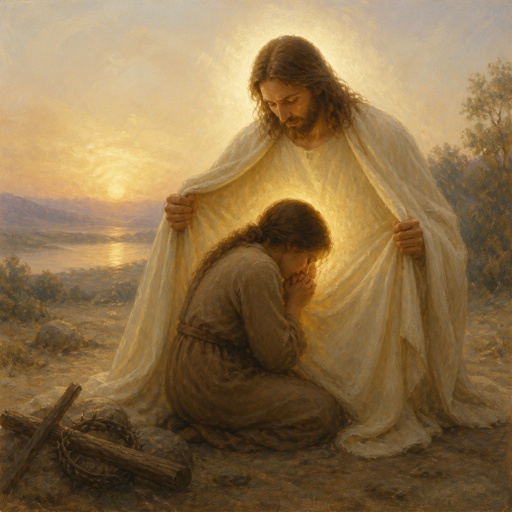
"For ye are dead, and your life is hid with Christ in God." - Colossians 3:3

Colossians 3:7 - "In the which ye also walked some time, when ye lived in them."

Colossians 3:20 - "Children, obey your parents in all things: for this is well pleasing unto the Lord."

Colossians 3:24 - "Knowing that of the Lord ye shall receive the reward of the inheritance: for ye serve the Lord Christ."

Colossians 3:25 - "But he that doeth wrong shall receive for the wrong which he hath done: and there is no respect of persons."