What does Colossians 1:15-20 mean?
"He is the image of the invisible God, the firstborn over all creation. For by him all things were created: things in heaven and on earth, visible and invisible, whether thrones or powers or rulers or authorities; all things were created by him and for him. He is before all things, and in him all things hold together. And he is the head of the body, the church; he is the beginning and the firstborn from among the dead, so that in everything he might have the supremacy. For God was pleased to have all his fullness dwell in him, and through him to reconcile to himself all things, whether things on earth or things in heaven, by making peace through his blood, shed on the cross." - Colossians 1:15-20
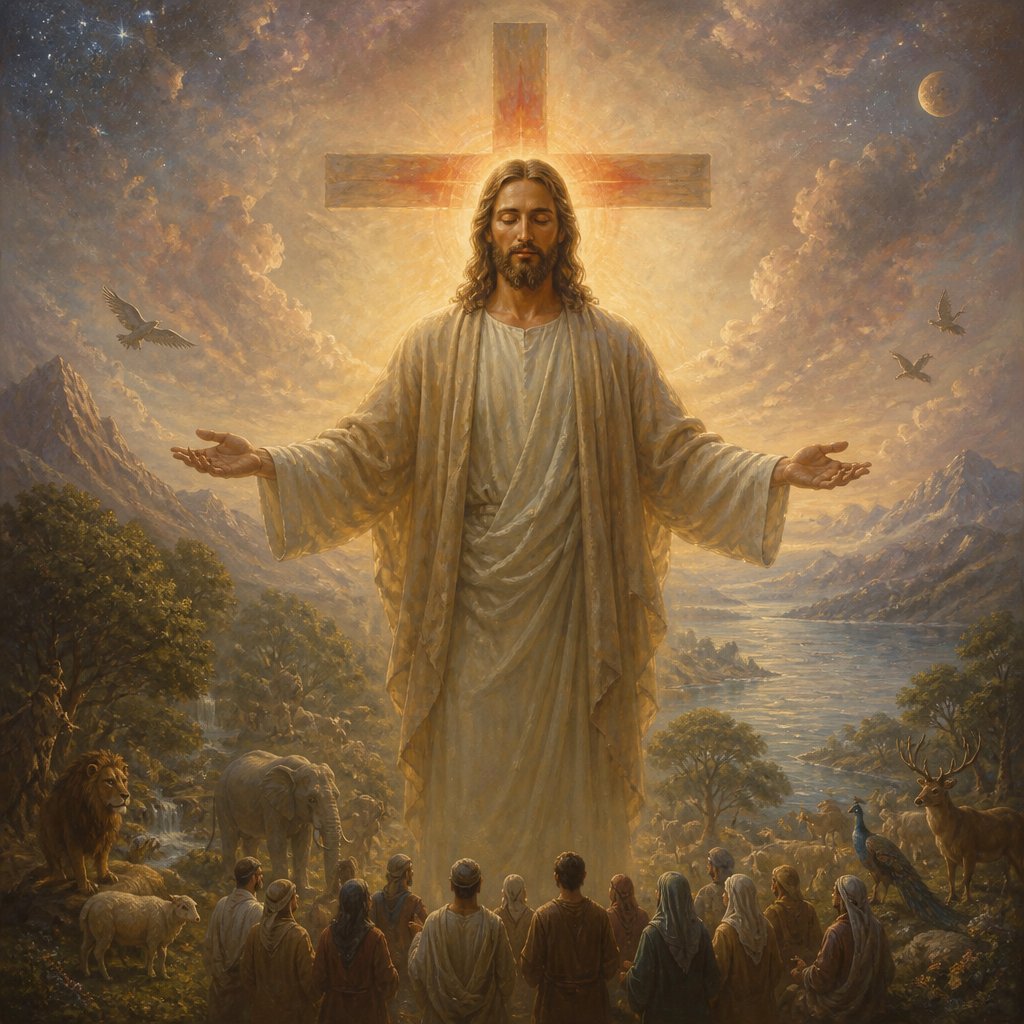
Colossians 1:15-20 (KJV) is a powerful and poetic passage that provides a deep and profound understanding of the identity and significance of Jesus Christ. It is a rich source of theological and spiritual insight, addressing key themes such as the nature of Christ, his role in creation and redemption, and his relationship to the church.
The passage begins by emphasizing the preeminence of Christ, stating that he is "the image of the invisible God, the firstborn of every creature" (Colossians 1:15, KJV). This declaration speaks to the unique and supreme nature of Christ as the visible representation of God in human form. The phrase "the firstborn of every creature" does not imply that Christ was created, as some might misunderstand, but rather that he is the highest and most exalted being in all of creation.
Continuing in verse 16 (KJV), it is explained that "For by him were all things created, that are in heaven, and that are in earth, visible and invisible, whether they be thrones, or dominions, or principalities, or powers: all things were created by him, and for him." This verse highlights the cosmic significance of Christ as the agent of creation, emphasizing that all things, both visible and invisible, were brought into existence through him and for his purposes. This passage reaffirms Christ's role as the divine architect and sustainer of the universe, and it emphasizes his sovereignty and authority over all created things.
In verse 17 (KJV), it is expressed that "And he is before all things, and by him all things consist." This continued emphasis on Christ's preeminence underscores his eternal and unchanging nature. He existed before all things and holds all things together by the power of his word. This verse serves to highlight Christ's timeless and unchanging nature, which stands in stark contrast to the fleeting and temporal nature of the created world.
The passage then transitions to the redemptive work of Christ in verses 18-20 (KJV), "And he is the head of the body, the church: who is the beginning, the firstborn from the dead; that in all things he might have the preeminence. For it pleased the Father that in him should all fulness dwell; And, having made peace through the blood of his cross, by him to reconcile all things unto himself; by him, I say, whether they be things in earth, or things in heaven." Here, the focus shifts to Christ's role as the head of the church and the source of its spiritual life and vitality. The language of "the firstborn from the dead" speaks to Christ's victory over death and his triumph as the pioneer of the resurrection.
Furthermore, the passage emphasizes the reconciling work of Christ, portraying him as the agent of God's redemptive plan. Through his sacrificial death on the cross, Christ has made peace and reconciliation possible for all things, both in heaven and on earth. This work of reconciliation encompasses not only humanity but also the whole created order, affirming the cosmic scope of Christ's redemptive work.
In addition, there are several important themes running throughout this passage. One of the key themes is the lordship and sovereignty of Christ. The passage repeatedly emphasizes Christ's preeminence and authority over all creation, highlighting his role as the ultimate ruler and sustainer of the cosmos. Another central theme is the redemptive work of Christ, as the passage underscores his role in reconciling and making peace through his death on the cross. This theme speaks to the universal scope of Christ's work, reaching beyond humanity to encompass all of creation.
In terms of context, the letter to the Colossians was written by the Apostle Paul to address theological and spiritual concerns within the church at Colossae. The passage is part of a larger argument in which Paul seeks to combat false teachings and emphasize the supremacy of Christ in all things. The Colossian church was facing various heresies and false teachings that sought to diminish the centrality and sufficiency of Christ. In response, Paul reaffirms the cosmic significance of Christ and his redemptive work, seeking to reorient the church's focus back to the true understanding of Christ's identity and role.
Symbolically, the passage conveys a rich and layered understanding of Christ's identity and significance. Christ is portrayed as the visible image of the invisible God, the firstborn of creation, and the head of the church, underscoring his unique and transcendent nature. His role as the agent of creation and reconciliation speaks to his cosmic authority and redemptive power, positioning him as the centerpiece of God's divine plan for the world.
In conclusion, Colossians 1:15-20 (KJV) stands as a profound statement of Christ's identity and significance, providing a rich theological and spiritual framework for understanding his role in creation and redemption. It underscores his preeminence and sovereignty over all things, while also highlighting his redemptive work on behalf of humanity and the entire cosmos. As a foundational passage in the New Testament, it provides a powerful affirmation of the central Christian belief in the divine nature and redemptive work of Jesus Christ.
Have questions about Colossians 1:15-20?
Dive deeper into this scripture with Bible Chat — an AI-powered tool for exploring God's Word through conversation. Ask questions, get context, and grow in your understanding of the Bible.
Get Our Apps


Colossians 1:15-20 Artwork

Colossians 1:15-20

Colossians 1:15-20
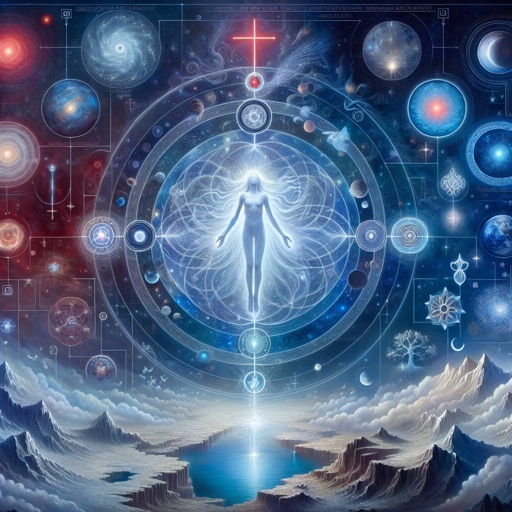
Colossians 1:15-20 - "He is the image of the invisible God, the firstborn over all creation. For by him all things were created: things in heaven and on earth, visible and invisible, whether thrones or powers or rulers or authorities; all things were created by him and for him. He is before all things, and in him all things hold together. And he is the head of the body, the church; he is the beginning and the firstborn from among the dead, so that in everything he might have the supremacy. For God was pleased to have all his fullness dwell in him, and through him to reconcile to himself all things, whether things on earth or things in heaven, by making peace through his blood, shed on the cross."
"He is the image of the invisible God, the firstborn over all creation. For by him all things were created: things in heaven and on earth, visible and invisible, whether thrones or powers or rulers or authorities; all things were created by him and for him. He is before all things, and in him all things hold together. And he is the head of the body, the church; he is the beginning and the firstborn from among the dead, so that in everything he might have the supremacy. For God was pleased to have all his fullness dwell in him, and through him to reconcile to himself all things, whether things on earth or things in heaven, by making peace through his blood, shed on the cross." - Colossians 1:15-20

Colossians 3:12-15

Colossians 3:5-15

Colossians 1:15 - "Who is the image of the invisible God, the firstborn of every creature:"
"Who is the image of the invisible God, the firstborn of every creature:" - Colossians 1:15
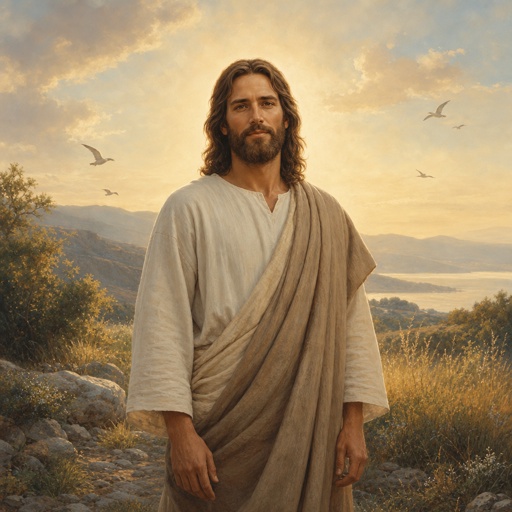
"Who is the image of the invisible God, the firstborn of every creature:" - Colossians 1:15
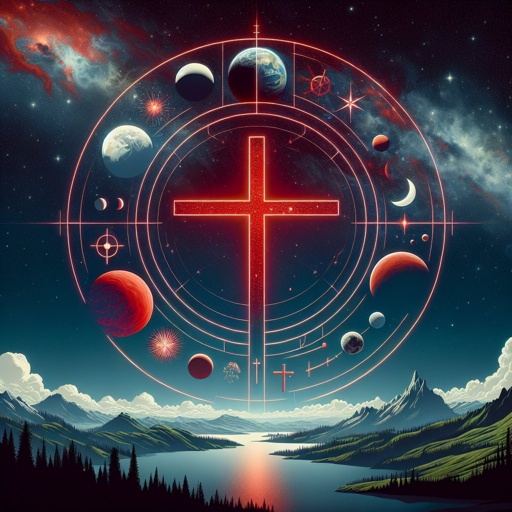
Colossians 1:20 - "And, having made peace through the blood of his cross, by him to reconcile all things unto himself; by him, I say, whether they be things in earth, or things in heaven."

Colossians 3:20 - "Children, obey your parents in all things: for this is well pleasing unto the Lord."

Matthew 15 : 1-20

Colossians 4:15 - "Salute the brethren which are in Laodicea, and Nymphas, and the church which is in his house."

1 Samuel 28:15-20

Colossians 1:18

Colossians 1:17

Colossians 1:17

Colossians 1:18

Colossians 1:19-20 - "For it pleased the Father that in him should all fulness dwell; And, having made peace through the blood of his cross, by him to reconcile all things unto himself; by him, I say, whether they be things in earth, or things in heaven."

Colossians 1:5 - "For the hope which is laid up for you in heaven, whereof ye heard before in the word of the truth of the gospel;"

Colossians 2:15 - "And having spoiled principalities and powers, he made a shew of them openly, triumphing over them in it."

Colossians 2:20 - "Wherefore if ye be dead with Christ from the rudiments of the world, why, as though living in the world, are ye subject to ordinances,"

COLOSSIANS 1:19

Colossians 3:13

Colossians 3:20-21 - "Children, obey your parents in everything, for this pleases the Lord. Fathers, do not embitter your children, or they will become discouraged."

Colossians 1:15-16 - "He is the image of the invisible God, the firstborn over all creation. For by him all things were created: things in heaven and on earth, visible and invisible, whether thrones or powers or rulers or authorities; all things were created by him and for him."

Colossians 2:19

Colossians 2:19

Colossians 4:6

Colossians 3:15 - "And let the peace of God rule in your hearts, to the which also ye are called in one body; and be ye thankful."