What does Amos 2:1 mean?
"Thus saith the LORD; For three transgressions of Moab, and for four, I will not turn away the punishment thereof; because he burned the bones of the king of Edom into lime:" - Amos 2:1
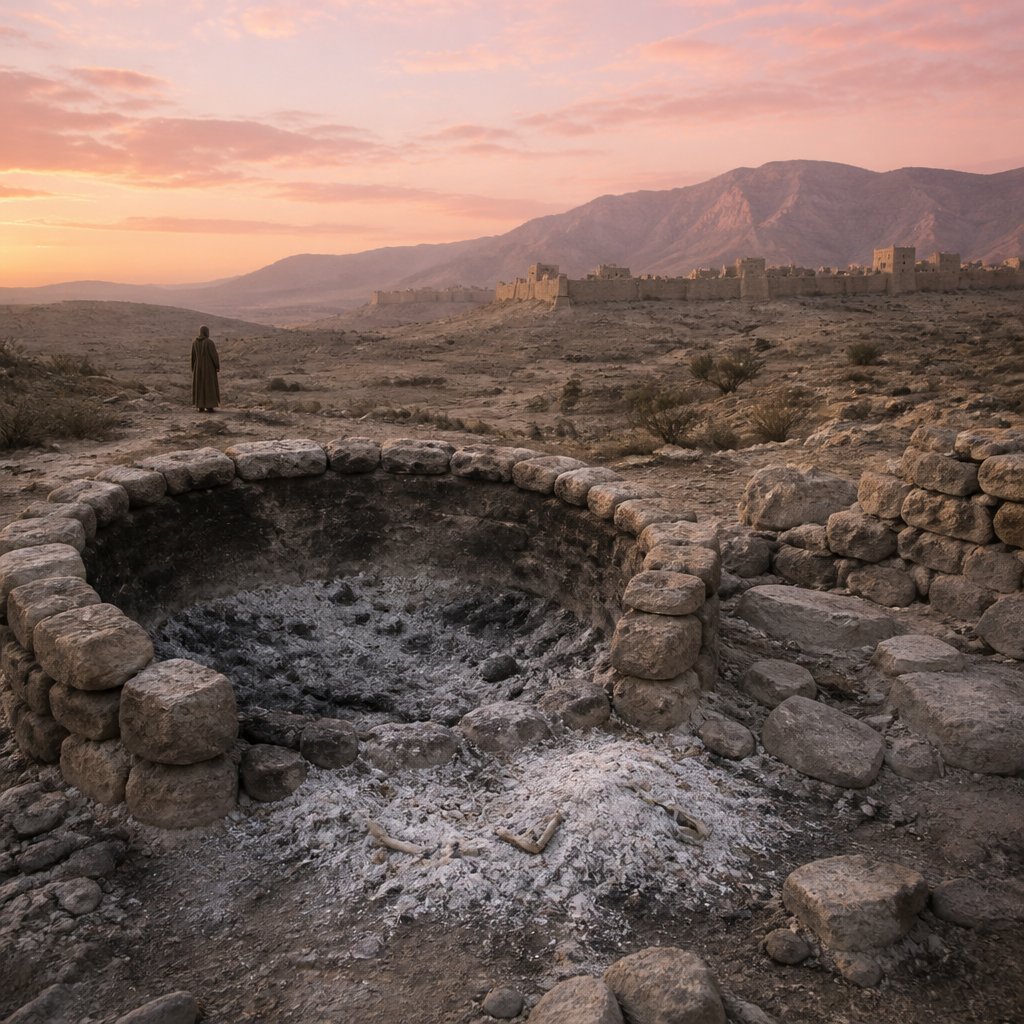
Amos 2:1 - "Thus saith the Lord; For three transgressions of Moab, and for four, I will not turn away the punishment thereof; because he burned the bones of the king of Edom into lime."
This verse from the Book of Amos in the Old Testament of the Bible serves as a prophetic warning from the Lord to the nation of Moab. In order to fully understand the deep meaning and significance of this verse, it is crucial to delve into the historical and cultural context of the time, as well as the broader themes and symbolism present in the text. The Book of Amos, written by the prophet Amos, focuses on the themes of justice, righteousness, and judgment, and the verse in question is no exception.
The verse begins with the phrase "Thus saith the Lord," indicating that the words which follow are directly from God. This sets the tone for the severity and authority of the message being delivered. The Lord then addresses the "transgressions of Moab," referencing the wrongdoing and sinfulness of the nation. The mention of "three transgressions" and "four" is a Hebrew idiom meant to emphasize the multitude and severity of Moab's offenses. The use of numerical symbolism in this way underscores the idea that Moab has repeatedly and egregiously violated the laws and commands of God.
The specific transgression mentioned in this verse is the burning of the bones of the king of Edom into lime. This act would have been seen as a heinous and disrespectful desecration, as the ancient Near Eastern cultures placed great importance on the proper treatment of the deceased. By committing such an atrocity, Moab had not only shown disregard for human life and dignity but also demonstrated a defiance of the natural order and the authority of God.
The punishment that the Lord declares He will not turn away signifies the inevitability of divine retribution for Moab's actions. This reinforces the theme of justice and the consequences of sin that is prevalent throughout the entire Book of Amos. The verse serves as a warning to Moab that their transgressions have not gone unnoticed or unpunished, and they will be held accountable for their actions.
In a broader sense, this verse also symbolizes the universal principles of justice and righteousness that are at the core of God's character. The desecration of the king of Edom's bones serves as a metaphor for the broader disregard for human life and moral decency that exists in the world. The Lord's unwavering commitment to justice and punishment reflects His divine nature and sets a precedent for His expectations of humanity.
Additionally, the verse can be interpreted as a call to repentance and a reminder of the importance of honoring and respecting others. By highlighting the severity of Moab's transgressions, the verse challenges readers to examine their own actions and consider the ways in which they may also fall short of God's standards of righteousness and justice.
In conclusion, Amos 2:1 serves as a powerful and prophetic declaration of God's judgment and justice. It offers a poignant reminder of the consequences of sin and the importance of upholding the principles of righteousness and respect for others. The verse carries significant historical, cultural, and symbolic weight, and its message continues to resonate with readers today, inspiring reflection, contemplation, and the pursuit of moral integrity.
Have questions about Amos 2:1?
Dive deeper into this scripture with Bible Chat — an AI-powered tool for exploring God's Word through conversation. Ask questions, get context, and grow in your understanding of the Bible.
Get Our Apps


Amos 2:1 Artwork
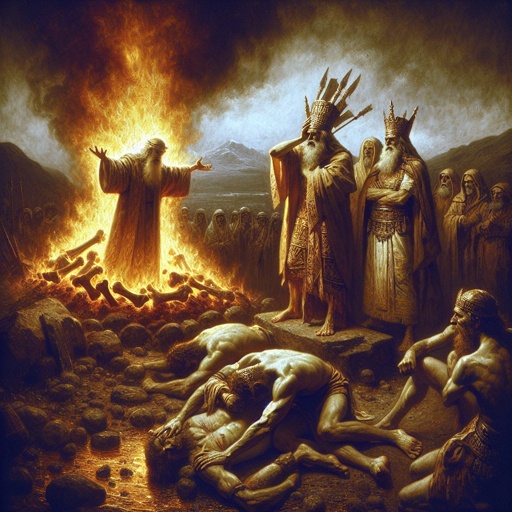
Amos 2:1 - "Thus saith the LORD; For three transgressions of Moab, and for four, I will not turn away the punishment thereof; because he burned the bones of the king of Edom into lime:"
"Thus saith the LORD; For three transgressions of Moab, and for four, I will not turn away the punishment thereof; because he burned the bones of the king of Edom into lime:" - Amos 2:1

Amos 1:1

Amos 1:2 - "And he said, The LORD will roar from Zion, and utter his voice from Jerusalem; and the habitations of the shepherds shall mourn, and the top of Carmel shall wither."

Amos 1:1 - "The words of Amos, who was among the herdmen of Tekoa, which he saw concerning Israel in the days of Uzziah king of Judah, and in the days of Jeroboam the son of Joash king of Israel, two years before the earthquake."

Amos 8:2 - "And he said, Amos, what seest thou? And I said, A basket of summer fruit. Then said the LORD unto me, The end is come upon my people of Israel; I will not again pass by them any more."

Amos 2:12 - "But ye gave the Nazarites wine to drink; and commanded the prophets, saying, Prophesy not."

Amos 2:5 - "But I will send a fire upon Judah, and it shall devour the palaces of Jerusalem."

Amos 2:13 - "Behold, I am pressed under you, as a cart is pressed that is full of sheaves."

Amos 2:2 - "But I will send a fire upon Moab, and it shall devour the palaces of Kerioth: and Moab shall die with tumult, with shouting, and with the sound of the trumpet:"

Amos 2:16 - "And he that is courageous among the mighty shall flee away naked in that day, saith the LORD."

Amos 1:15 - "And their king shall go into captivity, he and his princes together, saith the LORD."

Amos 1:7 - "But I will send a fire on the wall of Gaza, which shall devour the palaces thereof:"

Amos 1:10 - "But I will send a fire on the wall of Tyrus, which shall devour the palaces thereof."

Amos 1:12 - "But I will send a fire upon Teman, which shall devour the palaces of Bozrah."

Amos 8:1 - "Thus hath the Lord GOD shewed unto me: and behold a basket of summer fruit."

Amos 2:15 - "Neither shall he stand that handleth the bow; and he that is swift of foot shall not deliver himself: neither shall he that rideth the horse deliver himself."

Amos 1:4 - "But I will send a fire into the house of Hazael, which shall devour the palaces of Ben-hadad."

Amos 2:8 - "And they lay themselves down upon clothes laid to pledge by every altar, and they drink the wine of the condemned in the house of their god."

Amos 3:2 - "You only have I known of all the families of the earth: therefore I will punish you for all your iniquities."

Amos 5:2 - "The virgin of Israel is fallen; she shall no more rise: she is forsaken upon her land; there is none to raise her up."

Amos 2:14 - "Therefore the flight shall perish from the swift, and the strong shall not strengthen his force, neither shall the mighty deliver himself:"

Amos 5:1 - "Hear ye this word which I take up against you, even a lamentation, O house of Israel."

Amos 2:10 - "Also I brought you up from the land of Egypt, and led you forty years through the wilderness, to possess the land of the Amorite."
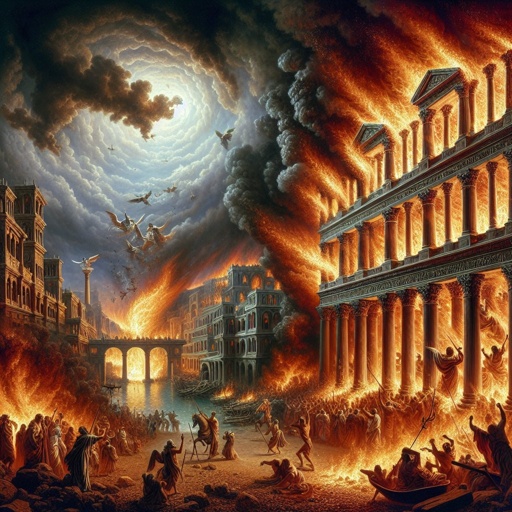
Amos 1:14 - "But I will kindle a fire in the wall of Rabbah, and it shall devour the palaces thereof, with shouting in the day of battle, with a tempest in the day of the whirlwind:"

Amos 6:1 - "Woe to them that are at ease in Zion, and trust in the mountain of Samaria, which are named chief of the nations, to whom the house of Israel came!"

Amos 9:2 - "Though they dig into hell, thence shall mine hand take them; though they climb up to heaven, thence will I bring them down:"

Amos 2:11 - "And I raised up of your sons for prophets, and of your young men for Nazarites. Is it not even thus, O ye children of Israel? saith the LORD."

Amos 2:6 - "¶ Thus saith the LORD; For three transgressions of Israel, and for four, I will not turn away the punishment thereof; because they sold the righteous for silver, and the poor for a pair of shoes;"
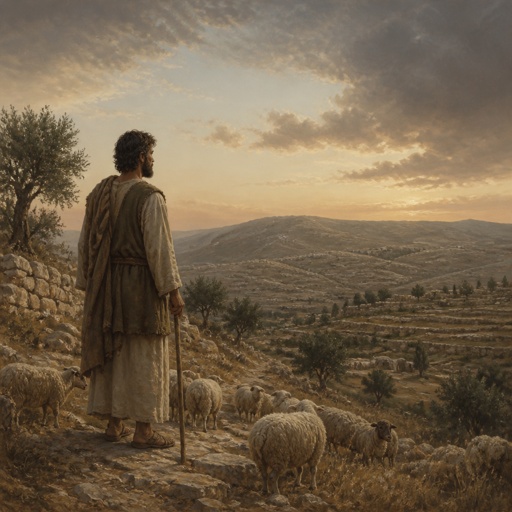
"The words of Amos, who was among the herdmen of Tekoa, which he saw concerning Israel in the days of Uzziah king of Judah, and in the days of Jeroboam the son of Joash king of Israel, two years before the earthquake." - Amos 1:1