What does Acts 9:10 mean?
"¶ And there was a certain disciple at Damascus, named Ananias; and to him said the Lord in a vision, Ananias. And he said, Behold, I am here, Lord." - Acts 9:10
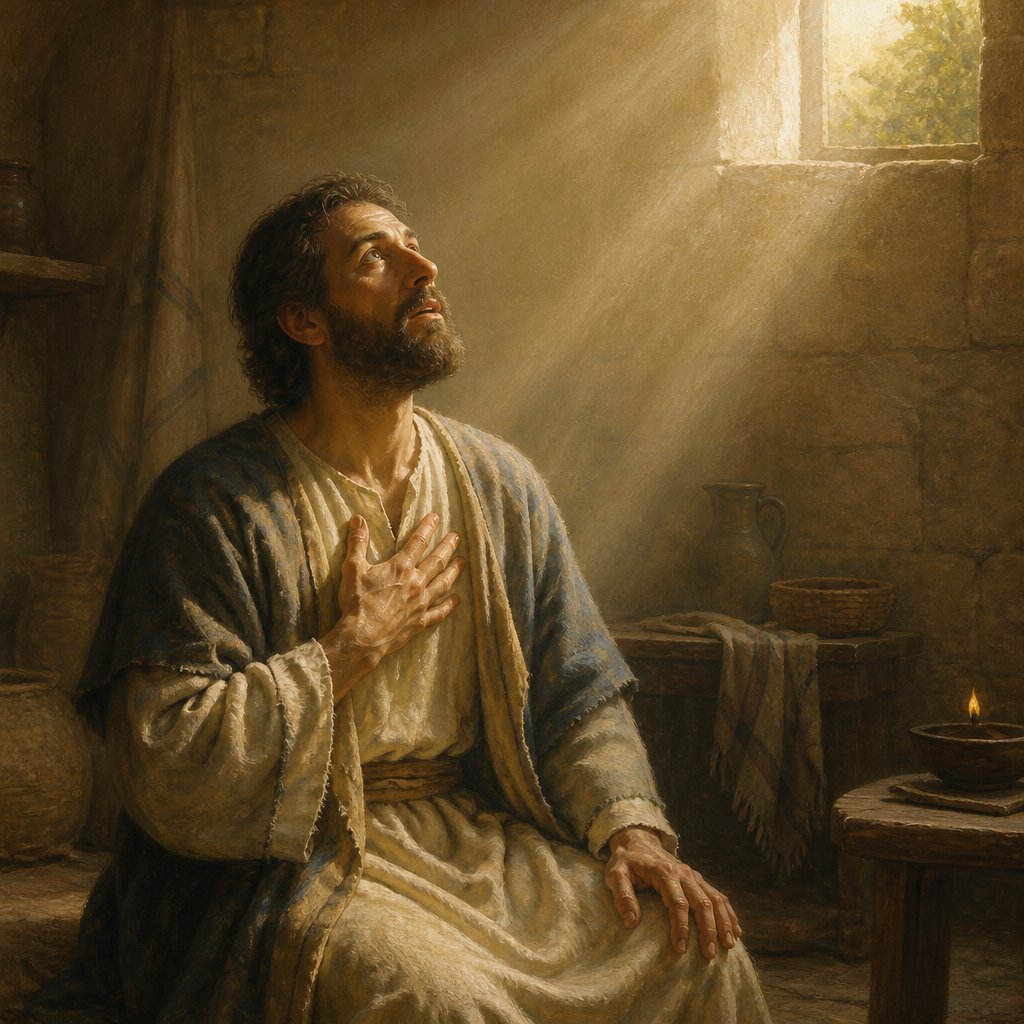
The verse Acts 9:10 from the King James Version of the Bible states: "And there was a certain disciple at Damascus, named Ananias; and to him said the Lord in a vision, Ananias. And he said, Behold, I am here, Lord."
This verse is part of the larger narrative in the book of Acts, which tells the story of the early Christian church and the spread of the gospel after the death and resurrection of Jesus Christ. In this particular verse, we are introduced to a disciple named Ananias who is living in Damascus. He is visited by the Lord in a vision, and responds by saying, "Behold, I am here, Lord."
The context of this verse is crucial to understanding its significance. Prior to this encounter, a man named Saul had been persecuting the early Christians, arresting and imprisoning them. However, on his way to Damascus, Saul had a dramatic encounter with the risen Jesus, and as a result, he was temporarily blinded. In the verses preceding Acts 9:10, we learn that the Lord speaks to Ananias and gives him specific instructions to go and lay hands on Saul so that he may regain his sight and be filled with the Holy Spirit. Ananias is initially hesitant, knowing about Saul's persecution of Christians, but the Lord reassures him and tells him of Saul's future role as "a chosen vessel unto me, to bear my name before the Gentiles, and kings, and the children of Israel" (Acts 9:15).
The theme of obedience to God's will is central to this verse. Ananias demonstrates his willingness to obey God's instructions, despite his initial reservations. This speaks to the broader theme of faith and trust in God's plan, even when it may seem difficult or risky. Ananias' response of "Behold, I am here, Lord" reflects his humility and submission to God's authority. It also serves as a model for believers, encouraging them to be open and responsive to God's leading in their own lives.
Furthermore, this verse emphasizes the transformative power of God's grace and the possibility of redemption for all individuals. Saul, who was once a persecutor of Christians, was chosen by God to become one of the most influential apostles in spreading the message of Jesus Christ. Ananias plays a crucial role in this transformation, as he serves as the instrument through which Saul receives his sight and the Holy Spirit. This serves as a reminder that God can work through willing and obedient individuals to accomplish His purposes, no matter how unlikely it may seem.
Symbolism is also present in this verse and the larger narrative. Ananias' obedience and willingness to lay hands on Saul symbolize the unity and interconnectedness of the body of Christ. Ananias acts as an extension of the Lord's healing and empowering presence, demonstrating the power of the Holy Spirit working through believers. Additionally, the restoration of Saul's sight symbolizes the spiritual awakening and new vision that he experiences after encountering Jesus.
In conclusion, Acts 9:10 from the King James Version of the Bible offers profound insights into themes of obedience, redemption, and the transformative power of God's grace. Ananias' response to the Lord's call serves as an example of faithful obedience and trust in God's plan. The verse carries deep symbolism and carries a message of hope and possibility for all who are willing to respond to God's calling.
Have questions about Acts 9:10?
Dive deeper into this scripture with Bible Chat — an AI-powered tool for exploring God's Word through conversation. Ask questions, get context, and grow in your understanding of the Bible.
Get Our Apps


Acts 9:10 Artwork

Acts 9:10 - "¶ And there was a certain disciple at Damascus, named Ananias; and to him said the Lord in a vision, Ananias. And he said, Behold, I am here, Lord."
"¶ And there was a certain disciple at Damascus, named Ananias; and to him said the Lord in a vision, Ananias. And he said, Behold, I am here, Lord." - Acts 9:10

Acts 10:9 - "¶ On the morrow, as they went on their journey, and drew nigh unto the city, Peter went up upon the housetop to pray about the sixth hour:"

Acts 18:9-10 - "And the Lord said to Paul one night in a vision, 'Do not be afraid, but go on speaking and do not be silent, for I am with you, and no one will attack you to harm you, for I have many in this city who are my people.'"

Acts 9:9 - "And he was three days without sight, and neither did eat nor drink."

Acts 9:1-20

Acts 9:1-20

acts 10:44-46
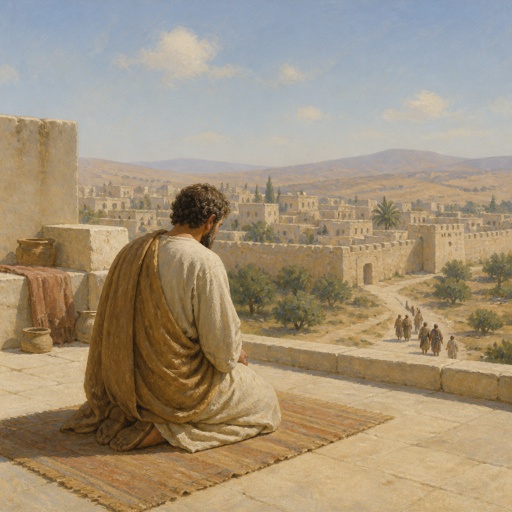
"¶ On the morrow, as they went on their journey, and drew nigh unto the city, Peter went up upon the housetop to pray about the sixth hour:" - Acts 10:9

Acts 10:10 - "And he became very hungry, and would have eaten: but while they made ready, he fell into a trance,"

Acts 9:28 - "And he was with them coming in and going out at Jerusalem."
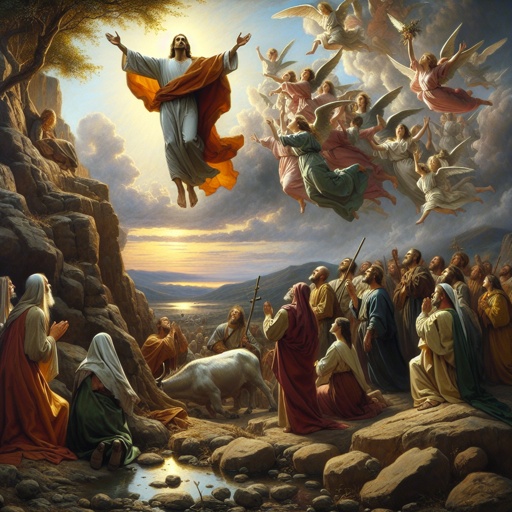
Psalm 10:9-10

Psalm 10:9-10

Acts 3:9 - "And all the people saw him walking and praising God:"

Acts 24:9 - "And the Jews also assented, saying that these things were so."

Acts 9:42 - "And it was known throughout all Joppa; and many believed in the Lord."

Acts 10:16 - "This was done thrice: and the vessel was received up again into heaven."

Acts 9:35 - "And all that dwelt at Lydda and Saron saw him, and turned to the Lord."

Acts 15:9 - "And put no difference between us and them, purifying their hearts by faith."

Acts 9:20 - "And straightway he preached Christ in the synagogues, that he is the Son of God."

Acts 7:9 - "And the patriarchs, moved with envy, sold Joseph into Egypt: but God was with him,"

Acts 6:10 - "And they were not able to resist the wisdom and the spirit by which he spake."

Acts 10:46 - "For they heard them speak with tongues, and magnify God. Then answered Peter,"

Acts 21:9 - "And the same man had four daughters, virgins, which did prophesy."

Acts 17:9 - "And when they had taken security of Jason, and of the other, they let them go."

Acts 9:25 - "Then the disciples took him by night, and let him down by the wall in a basket."
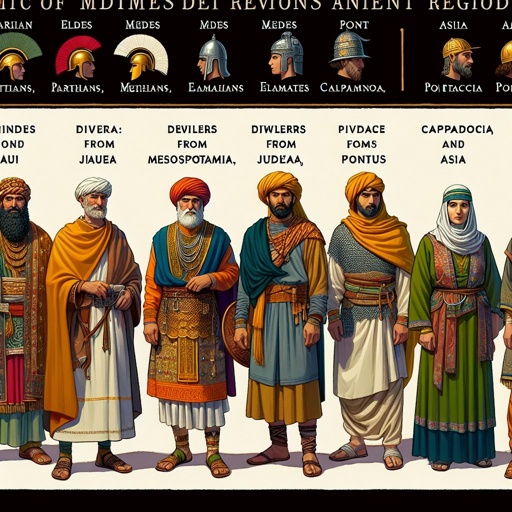
Acts 2:9 - "Parthians, and Medes, and Elamites, and the dwellers in Mesopotamia, and in Judaea, and Cappadocia, in Pontus, and Asia,"

Acts 11:10 - "And this was done three times: and all were drawn up again into heaven."

Acts 10:40 - "Him God raised up the third day, and shewed him openly;"

Acts 10:35 - "But in every nation he that feareth him, and worketh righteousness, is accepted with him."