What does Acts 7:29 mean?
"Then fled Moses at this saying, and was a stranger in the land of Madian, where he begat two sons." - Acts 7:29
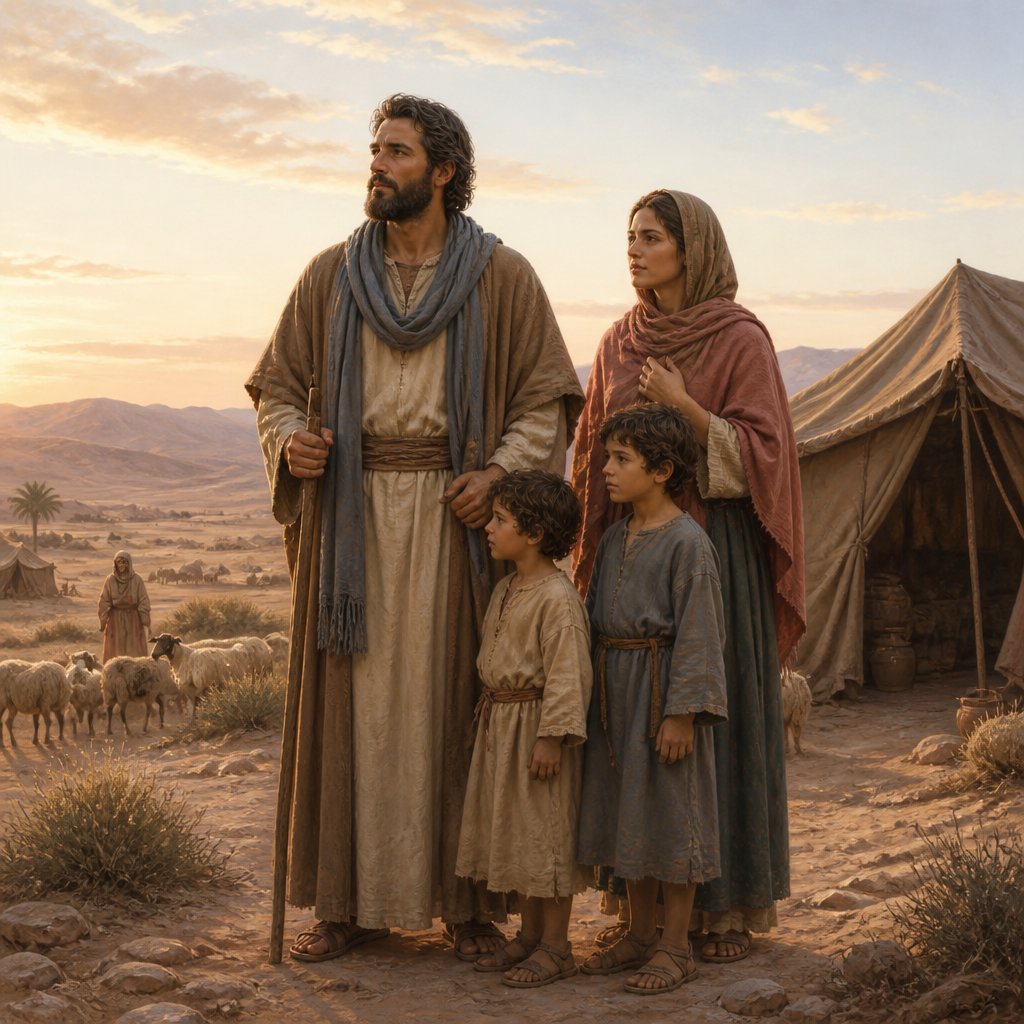
Acts 7:29 (KJV) reads: "Then fled Moses at this saying, and was a stranger in the land of Madian, where he begat two sons."
This verse is a part of Stephen's speech to the Sanhedrin, in which he recounts the history of the Israelites leading up to the time of Christ. Stephen, one of the first deacons of the early church, was arrested for his bold preaching and brought before the Jewish council to defend his beliefs.
In this verse, Stephen is referring to a specific event in the life of Moses. Moses was born in Egypt during a time when the Hebrew people were enslaved by the Egyptians. Despite being a Hebrew himself, Moses was raised as an Egyptian prince. However, when he grew older, he felt compelled to help his own people and ended up killing an Egyptian who was mistreating a Hebrew slave. When Pharaoh found out, he sought to kill Moses, so Moses fled Egypt and went to the land of Midian.
This event serves as a turning point in Moses' life. It was during his time in Midian that he encountered God in the burning bush and received his divine calling to lead the Israelites out of Egypt. It was also in Midian that Moses met his wife, Zipporah, and had two sons with her.
The theme of exile and displacement is evident in this verse. Moses, once a prince in the Egyptian court, was forced to flee and became a stranger in a foreign land. However, it was during this period of exile that God worked in his life and prepared him for his important role in the history of Israel. This theme of exile and displacement is a recurring motif in the Bible, with various characters such as Abraham, Joseph, and the Israelites themselves experiencing periods of wandering and living as foreigners in foreign lands.
The context of this verse is significant as well. Stephen is using the story of Moses to illustrate a broader theme in Israel's history of God's working through unexpected and unlikely individuals. Despite Moses' initial reluctance and feelings of inadequacy, God used him to deliver His people and establish the covenant at Mount Sinai.
The symbolism of Moses' time in Midian is also noteworthy. The land of Midian represents a place of refuge and renewal for Moses. It was there that he found a new purpose and direction for his life. This can serve as a powerful reminder for believers today that God often uses times of exile or displacement to mold and shape us for His purposes. Just as Moses' time in Midian was not wasted, so too can our own periods of uncertainty and displacement be times of spiritual growth and preparation.
Overall, Acts 7:29 highlights the theme of exile, displacement, and divine preparation in the life of Moses. It emphasizes the ironic but providential nature of God's working in the lives of His chosen servants and serves as a powerful encouragement for believers to trust in God's sovereignty even in the midst of uncertainty and displacement.
Have questions about Acts 7:29?
Dive deeper into this scripture with Bible Chat — an AI-powered tool for exploring God's Word through conversation. Ask questions, get context, and grow in your understanding of the Bible.
Get Our Apps


Acts 7:29 Artwork

Acts 7:29 - "Then fled Moses at this saying, and was a stranger in the land of Madian, where he begat two sons."
"Then fled Moses at this saying, and was a stranger in the land of Madian, where he begat two sons." - Acts 7:29

put on a scroll acts 15:29

1 Chronicles 29:29 - "Now the acts of David the king, first and last, behold, they are written in the book of Samuel the seer, and in the book of Nathan the prophet, and in the book of Gad the seer,"

Acts 8:29 - "Then the Spirit said unto Philip, Go near, and join thyself to this chariot."

Numbers 29:7

Genesis 29-7

Acts 16:29 - "Then he called for a light, and sprang in, and came trembling, and fell down before Paul and Silas,"

Acts 3:6-7

Acts 3:6-7

Acts 3:6-7

Acts 3:6-7

Acts 3:6-7

Acts 5:29 - "¶ Then Peter and the other apostles answered and said, We ought to obey God rather than men."

Acts 28:29 - "And when he had said these words, the Jews departed, and had great reasoning among themselves."

Matthew 7:24-29

Matthew 7:24-29

1 Kings 14:29 - "¶ Now the rest of the acts of Rehoboam, and all that he did, are they not written in the book of the chronicles of the kings of Judah?"

Acts 9:29 - "And he spake boldly in the name of the Lord Jesus, and disputed against the Grecians: but they went about to slay him."

Acts 20:29 - "For I know this, that after my departing shall grievous wolves enter in among you, not sparing the flock."

Acts 21:29 - "(For they had seen before with him in the city Trophimus an Ephesian, whom they supposed that Paul had brought into the temple.)"

Acts 14:7 - "And there they preached the gospel."

Acts 23:29 - "Whom I perceived to be accused of questions of their law, but to have nothing laid to his charge worthy of death or of bonds."

Acts 4:29 - "And now, Lord, behold their threatenings: and grant unto thy servants, that with all boldness they may speak thy word,"

Acts 13:29 - "And when they had fulfilled all that was written of him, they took him down from the tree, and laid him in a sepulchre."

Acts 11:29 - "Then the disciples, every man according to his ability, determined to send relief unto the brethren which dwelt in Judaea:"

Psalms 29:7 - "The voice of the LORD divideth the flames of fire."

Acts 27:29 - "Then fearing lest we should have fallen upon rocks, they cast four anchors out of the stern, and wished for the day."

2 Samuel 7:1–29

acts 20:7-12