What does Acts 7:28 mean?
"Wilt thou kill me, as thou diddest the Egyptian yesterday?" - Acts 7:28
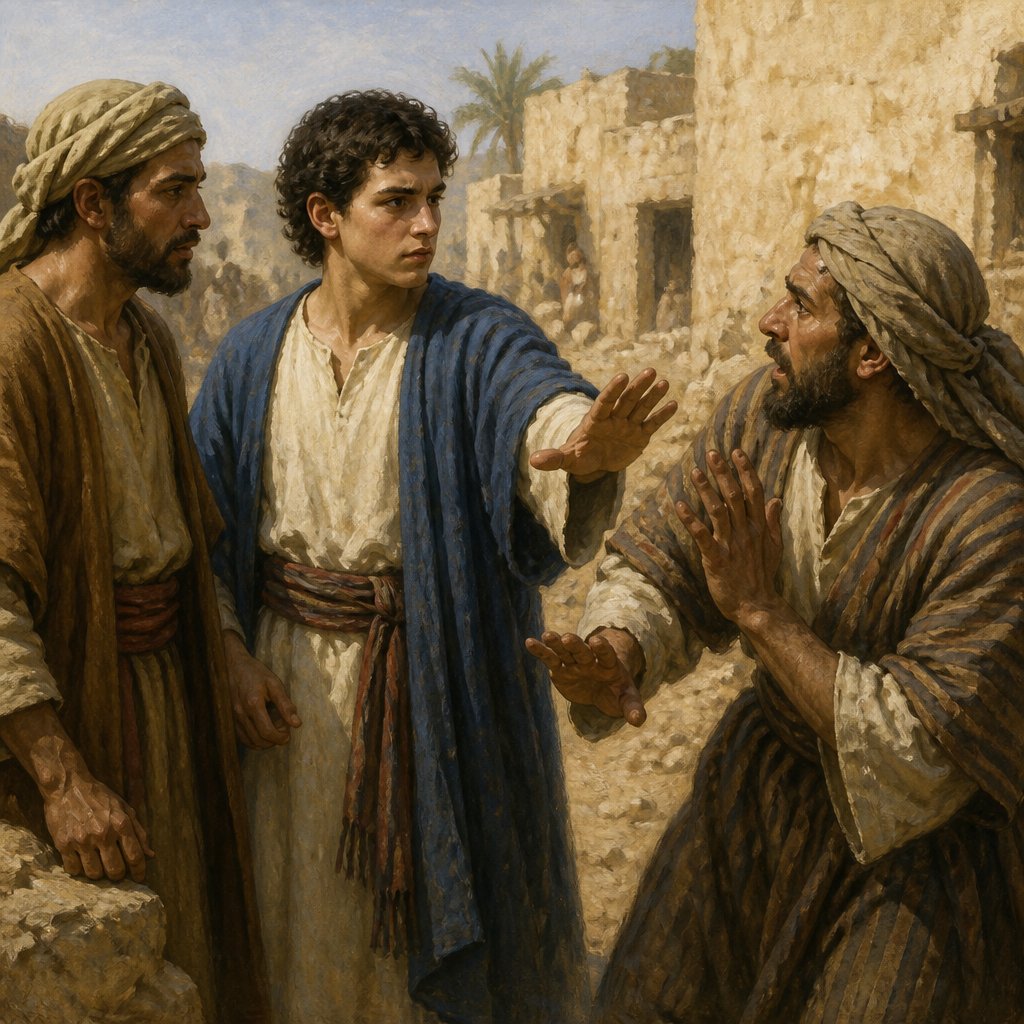
The verse Acts 7:28 in the King James Version of the Bible reads: "Wilt thou kill me, as thou diddest the Egyptian yesterday?" This verse is part of a longer speech delivered by Stephen, one of the early disciples of Jesus, before the Sanhedrin, the Jewish high council, in defense of his faith in Jesus as the Messiah.
To fully understand the significance of Acts 7:28, it is important to first place it within the broader context of Stephen's speech. In Acts 7, Stephen recounts the history of the Israelites and emphasizes God's sovereignty over His people throughout the ages. He points out the pattern of rejection that the Israelites demonstrated towards the prophets that God sent to them, and ultimately towards Jesus Christ, the promised Messiah. Stephen's speech is a bold and unapologetic proclamation of his faith, which ultimately leads to his martyrdom.
In Acts 7:28, Stephen is referencing an incident from the Old Testament in which he accuses the Israelites of being unfaithful and disobedient to God's appointed leaders. The specific event he refers to is recorded in Exodus 2:11-14, where Moses, before his call to deliver the Israelites from slavery in Egypt, kills an Egyptian who is mistreating an Israelite. The day after this incident, Moses confronts two Israelites who are quarreling and asks why they are fighting each other. One of the Israelites responds with the question quoted in Acts 7:28, which is directed at Moses.
This incident is a symbol of the Israelites' rejection of their deliverer, Moses. Through Stephen's words, the parallel is drawn between the Israelites' rejection of Moses and their rejection of Jesus Christ. Stephen is highlighting the historical trend of the Israelites' resistance towards those whom God sends to lead and deliver them, and he is drawing a direct comparison between Moses and Jesus.
Furthermore, the verse Acts 7:28 serves as a reminder of the consequences of rejecting God's chosen leaders. The Egyptian that Stephen refers to in this verse is a representation of oppression and injustice, and Moses' actions in killing him can be seen as an act of justice and deliverance for the oppressed Israelites. By rejecting Moses, the Israelites were essentially rejecting the opportunity for liberation and deliverance. Similarly, by rejecting Jesus, the Israelites and the religious leaders of Stephen's time were refusing the opportunity for spiritual liberation and redemption.
The broader themes of Acts 7:28 and Stephen's speech as a whole include the sovereignty of God, the historical pattern of rejection of God's messengers, and the consequences of disobedience and unbelief. Stephen's speech serves as a powerful testimony to the unchanging nature of God and His faithfulness to His people, despite their repeated rejection and disobedience.
Symbolically, Acts 7:28 also serves as a warning to those who would reject Jesus Christ and His messengers. It is a reminder that God holds His people accountable for their rejection of His appointed leaders and for their lack of faith. Ultimately, Acts 7:28 points to the need for repentance and obedience to God's chosen means of deliverance and salvation, as represented in the person of Jesus Christ.
In conclusion, Acts 7:28, within the context of Stephen's speech, serves as a powerful reminder of the historical pattern of rejection of God's messengers and the consequences of such rejection. It also highlights the need for faith, obedience, and a recognition of God's sovereignty. The verse ultimately points to the message of salvation and redemption through Jesus Christ, and the importance of embracing God's appointed means of deliverance.
Have questions about Acts 7:28?
Dive deeper into this scripture with Bible Chat — an AI-powered tool for exploring God's Word through conversation. Ask questions, get context, and grow in your understanding of the Bible.
Get Our Apps


Acts 7:28 Artwork

Acts 7:28 - "Wilt thou kill me, as thou diddest the Egyptian yesterday?"
"Wilt thou kill me, as thou diddest the Egyptian yesterday?" - Acts 7:28

Acts 28:7 - "In the same quarters were possessions of the chief man of the island, whose name was Publius; who received us, and lodged us three days courteously."

Acts 28:12

Acts 28:28 - "Be it known therefore unto you, that the salvation of God is sent unto the Gentiles, and that they will hear it."

Acts 14:28 - "And there they abode long time with the disciples."

Acts 28:12 - "And landing at Syracuse, we tarried there three days."

Acts 9:28 - "And he was with them coming in and going out at Jerusalem."

Acts 28:1 - "And when they were escaped, then they knew that the island was called Melita."

Acts 28:5 - "And he shook off the beast into the fire, and felt no harm."

Acts 8:28 - "Was returning, and sitting in his chariot read Esaias the prophet."

Acts 28:24 - "And some believed the things which were spoken, and some believed not."

Acts 18:28 - "For he mightily convinced the Jews, and that publickly, shewing by the scriptures that Jesus was Christ."

Acts 26:28 - "Then Agrippa said unto Paul, Almost thou persuadest me to be a Christian."

Acts 4:28 - "For to do whatsoever thy hand and thy counsel determined before to be done."

"And there they abode long time with the disciples." - Acts 14:28

Acts 3:6-7

Acts 3:6-7

Acts 3:6-7

Acts 3:6-7

Acts 3:6-7
"In the same quarters were possessions of the chief man of the island, whose name was Publius; who received us, and lodged us three days courteously." - Acts 28:7

"Be it known therefore unto you, that the salvation of God is sent unto the Gentiles, and that they will hear it." - Acts 28:28

Acts 16:28 - "But Paul cried with a loud voice, saying, Do thyself no harm: for we are all here."

Acts 13:28 - "And though they found no cause of death in him, yet desired they Pilate that he should be slain."

Acts 19:28 - "And when they heard these sayings, they were full of wrath, and cried out, saying, Great is Diana of the Ephesians."

Acts 28:9 - "So when this was done, others also, which had diseases in the island, came, and were healed:"

Acts 28:29 - "And when he had said these words, the Jews departed, and had great reasoning among themselves."

Acts 14:7 - "And there they preached the gospel."

Acts 15:28 - "For it seemed good to the Holy Ghost, and to us, to lay upon you no greater burden than these necessary things;"