What does Acts 7:25 mean?
"For he supposed his brethren would have understood how that God by his hand would deliver them: but they understood not." - Acts 7:25
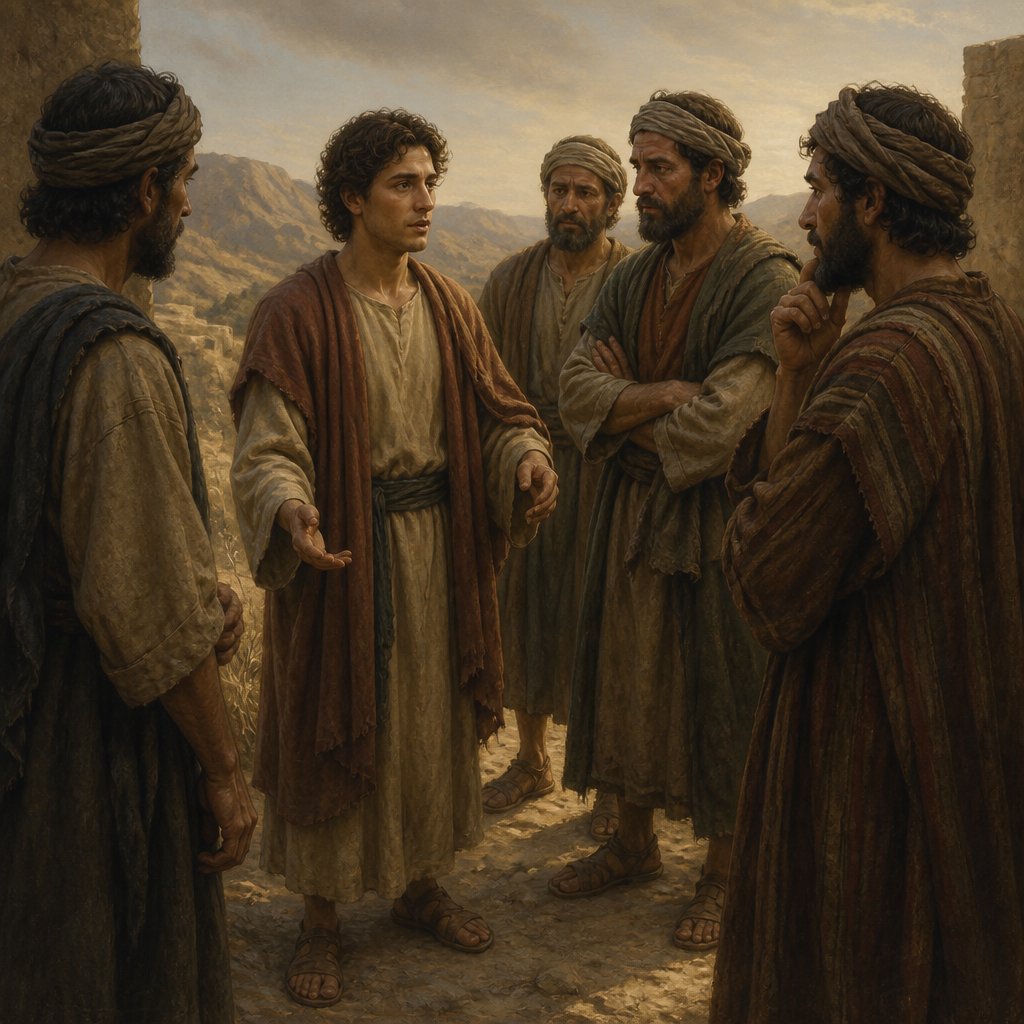
The Bible verse Acts 7:25 in the King James Version (KJV) states, "For he supposed his brethren would have understood how that God by his hand would deliver them: but they understood not." This verse is part of a longer passage in the Book of Acts, which recounts the history of the early Christian church and the impact of the apostles’ preaching.
To understand the deeper meaning and commentary of this verse, it is important to look at the context in which it is situated. The verse is part of a speech delivered by Stephen, who was one of the seven men chosen to oversee the distribution of food to widows in the early church. Stephen was also known for his wisdom and his powerful preaching, which eventually led to his martyrdom. In this speech, Stephen is addressing the religious leaders of the Jewish community, presenting a defense of his faith in Jesus Christ.
In Acts 7, Stephen is recounting the history of the Jewish people, beginning with their ancestor Abraham and culminating with the coming of Jesus Christ. In verse 25, Stephen is referring to Moses, who was initially rejected by his own people when he attempted to intervene in a conflict between two Hebrews. Moses had assumed that his fellow Israelites would understand that God had chosen him to deliver them from oppression in Egypt. However, they did not grasp this and rejected him. This rejection ultimately led to Moses' exile from Egypt and his eventual encounter with God at the burning bush, commissioning him to lead the Israelites out of slavery.
The theme of misunderstanding and rejection is a significant element of this verse. It reflects the broader theme of the Jewish people's rejection of God's messengers throughout their history. This rejection ultimately culminated in their rejection of Jesus as the Messiah, as Stephen makes clear later in his speech. Just as Moses was initially misunderstood and rejected by his own people, so too was Jesus rejected by the Jewish religious leaders and ultimately crucified.
The verse also contains an underlying theme of God's sovereignty and his ability to work through human agents to accomplish his purposes. Despite the misunderstandings and rejections of Moses by his own people, God ultimately used him to deliver the Israelites from slavery and lead them to the Promised Land. Similarly, despite the rejection of Jesus by the religious leaders, God used his sacrifice on the cross to bring about redemption for all humanity.
From a symbolic perspective, the verse can be seen as a reflection of the human tendency to misunderstand and reject God's plans and messengers. It also serves as a reminder of the importance of discernment and spiritual understanding. Just as Moses’ brethren failed to recognize God’s hand at work in his life, so too do people often fail to recognize God’s presence and work in the world today.
In conclusion, Acts 7:25 in the King James Version is a verse that carries significant meaning and themes related to the rejection and misunderstanding of God's messengers, the sovereignty of God, and the need for spiritual understanding. It serves as a powerful reminder of the ongoing human tendency to misunderstand God's plans and the importance of discernment and faith in recognizing His presence and work in the world.
Have questions about Acts 7:25?
Dive deeper into this scripture with Bible Chat — an AI-powered tool for exploring God's Word through conversation. Ask questions, get context, and grow in your understanding of the Bible.
Get Our Apps


Acts 7:25 Artwork

Acts 7:25 - "For he supposed his brethren would have understood how that God by his hand would deliver them: but they understood not."
"For he supposed his brethren would have understood how that God by his hand would deliver them: but they understood not." - Acts 7:25

Acts 25:7 - "And when he was come, the Jews which came down from Jerusalem stood round about, and laid many and grievous complaints against Paul, which they could not prove."

Acts 23:25 - "And he wrote a letter after this manner:"

Acts 11:25 - "Then departed Barnabas to Tarsus, for to seek Saul:"

Acts 14:25 - "And when they had preached the word in Perga, they went down into Attalia:"

Acts 25:25 - "But when I found that he had committed nothing worthy of death, and that he himself hath appealed to Augustus, I have determined to send him."

Acts 3:6-7

Acts 3:6-7

Acts 3:6-7

Acts 3:6-7

Acts 3:6-7

Acts 9:25 - "Then the disciples took him by night, and let him down by the wall in a basket."

Acts 25:2 - "Then the high priest and the chief of the Jews informed him against Paul, and besought him,"

Genesis 25-7

Acts 14:7 - "And there they preached the gospel."

Acts 16:25 - "¶ And at midnight Paul and Silas prayed, and sang praises unto God: and the prisoners heard them."

Acts 25:27 - "For it seemeth to me unreasonable to send a prisoner, and not withal to signify the crimes laid against him."

Acts 10:25 - "And as Peter was coming in, Cornelius met him, and fell down at his feet, and worshipped him."

Acts 25:13 - "And after certain days king Agrippa and Bernice came unto Caesarea to salute Festus."

Acts 27:25 - "Wherefore, sirs, be of good cheer: for I believe God, that it shall be even as it was told me."

Acts 25:4 - "But Festus answered, that Paul should be kept at Caesarea, and that he himself would depart shortly thither."

"And he wrote a letter after this manner:" - Acts 23:25

"Then departed Barnabas to Tarsus, for to seek Saul:" - Acts 11:25

Acts 25:18 - "Against whom when the accusers stood up, they brought none accusation of such things as I supposed:"

acts 20:7-12

Acts 25:1 - "Now when Festus was come into the province, after three days he ascended from Caesarea to Jerusalem."

Acts 8:25 - "And they, when they had testified and preached the word of the Lord, returned to Jerusalem, and preached the gospel in many villages of the Samaritans."

2 Chronicles 25:26 - "Now the rest of the acts of Amaziah, first and last, behold, are they not written in the book of the kings of Judah and Israel?"

2 Kings 21:25 - "Now the rest of the acts of Amon which he did, are they not written in the book of the chronicles of the kings of Judah?"