What does Acts 7:15 mean?
"So Jacob went down into Egypt, and died, he, and our fathers," - Acts 7:15
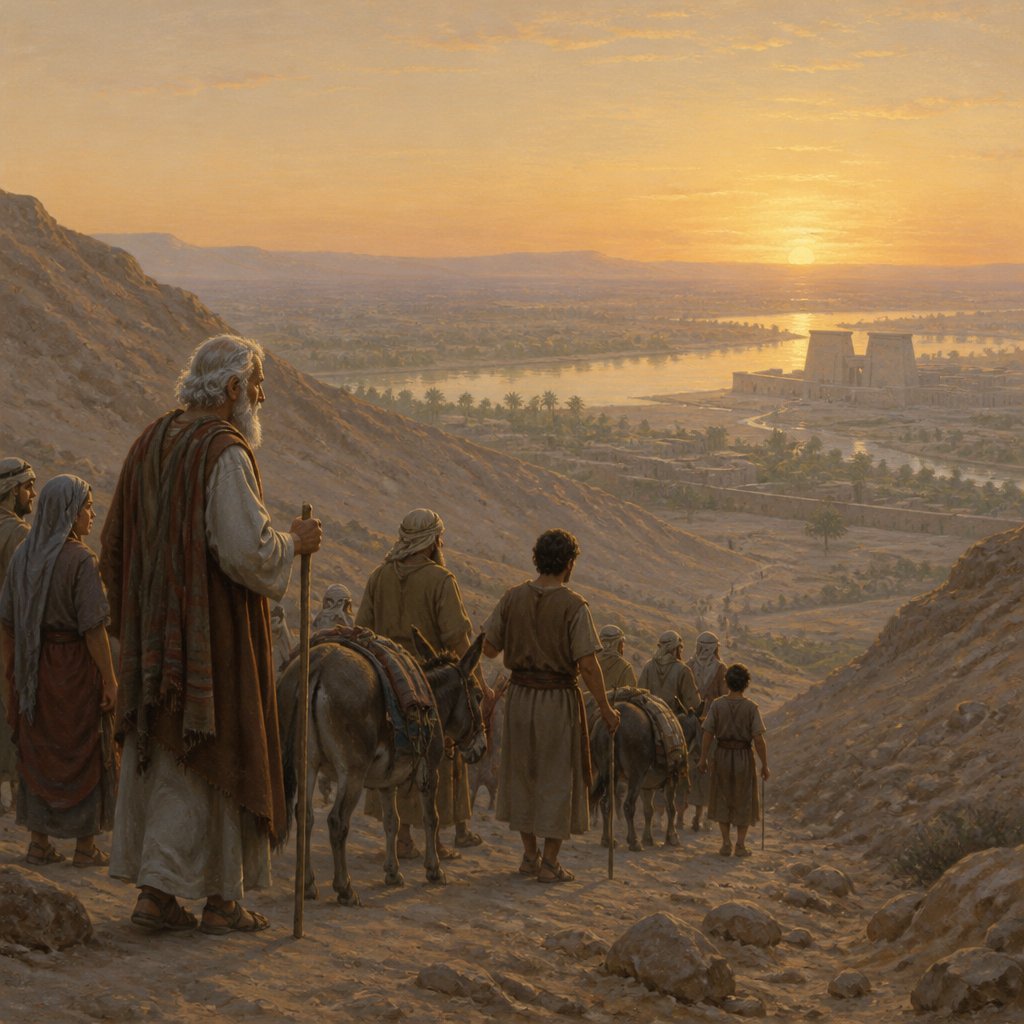
The Bible verse Acts 7:15 in the King James Version reads, "So Jacob went down into Egypt, and died, he, and our fathers." This verse is part of a larger speech given by Stephen, the first Christian martyr, as he stands before the Sanhedrin, defending his faith and recounting the history of the Jewish people.
To understand the full meaning and significance of this verse, it is helpful to look at the context in which it appears. Stephen's speech in Acts 7 is a powerful retelling of the history of the Jews, from Abraham to Moses, and the role of the Israelites in God's plan. In this particular verse, Stephen is referring to the journey of Jacob, also known as Israel, and his family's relocation to Egypt.
The decision for Jacob and his family to go down to Egypt was influenced by a great famine in the land of Canaan, where they were living at the time. This journey represents a critical turning point in the history of Israel, as it marks the beginning of their time in Egypt, which eventually leads to their enslavement and, ultimately, their deliverance through the leadership of Moses.
The mention of Jacob's death in this verse serves as a reminder that the patriarchs of Israel were mortal and subject to the same frailties as all humanity. However, it also points to the fulfillment of God's promise to Jacob, as the nation of Israel continued to grow and thrive, even in a foreign land.
Symbolically, Jacob's descent into Egypt can also be seen as a foreshadowing of the Israelites' descent into spiritual and physical captivity. By acknowledging the history of the Israelites, Stephen is demonstrating his understanding of the significance of their journey and how it ultimately impacted their identity as a people.
One of the key themes of this verse and Stephen's speech as a whole is the faithfulness of God to His people throughout history. Despite the trials and tribulations faced by the Israelites, God remained faithful to His promises. This theme is echoed throughout the Bible and continues to be a source of hope and encouragement for believers today.
Another theme that can be drawn from this verse is the concept of divine providence. The decision for Jacob and his family to relocate to Egypt may have seemed like a desperate measure to survive the famine, but it was ultimately part of God's plan to fulfill His promises and to preserve the nation of Israel through their time in Egypt.
Furthermore, Stephen's reference to "our fathers" in this verse also conveys a sense of solidarity and unity among the Jewish people. By tracing their lineage back to Jacob and the other patriarchs, Stephen is emphasizing the shared heritage and identity of the Israelites, despite their diverse experiences and challenges throughout history.
In conclusion, Acts 7:15 is a verse that carries significant historical, thematic, and symbolic weight within the context of Stephen's speech to the Sanhedrin. It serves as a reminder of the faithfulness and providence of God, as well as the shared heritage and identity of the Jewish people. This verse continues to be a source of inspiration and encouragement for believers today, as they reflect on the enduring promises of God and the rich history of His people.
Have questions about Acts 7:15?
Dive deeper into this scripture with Bible Chat — an AI-powered tool for exploring God's Word through conversation. Ask questions, get context, and grow in your understanding of the Bible.
Get Our Apps


Acts 7:15 Artwork

Acts 7:15 - "So Jacob went down into Egypt, and died, he, and our fathers,"
"So Jacob went down into Egypt, and died, he, and our fathers," - Acts 7:15

1 Kings 15:7 - "Now the rest of the acts of Abijam, and all that he did, are they not written in the book of the chronicles of the kings of Judah? And there was war between Abijam and Jeroboam."

Acts 15:15 - "And to this agree the words of the prophets; as it is written,"

acts 15

Acts 17:15

"And to this agree the words of the prophets; as it is written," - Acts 15:15

Acts 3:6-7

Acts 3:6-7

Acts 3:6-7

Acts 3:6-7

Acts 3:6-7
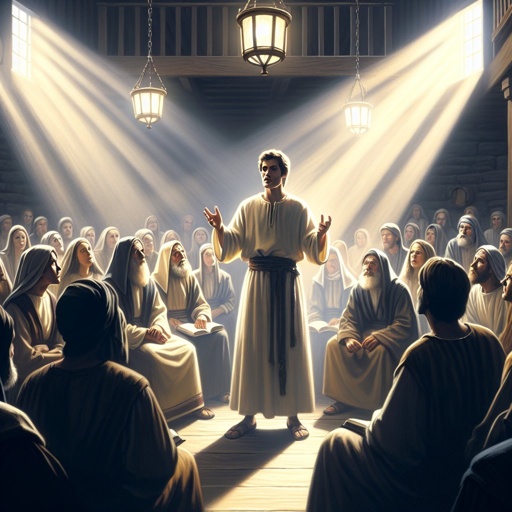
Acts 15:7 - "And when there had been much disputing, Peter rose up, and said unto them, Men and brethren, ye know how that a good while ago God made choice among us, that the Gentiles by my mouth should hear the word of the gospel, and believe."

Acts 15:34 - "Notwithstanding it pleased Silas to abide there still."

Acts 14:7 - "And there they preached the gospel."

put on a scroll acts 15:29

2 Kings 15:15 - "And the rest of the acts of Shallum, and his conspiracy which he made, behold, they are written in the book of the chronicles of the kings of Israel."

Acts 15:31 - "Which when they had read, they rejoiced for the consolation."

Acts 15:6 - "¶ And the apostles and elders came together for to consider of this matter."

acts 20:7-12

Acts 2:15 - "For these are not drunken, as ye suppose, seeing it is but the third hour of the day."

Acts 15:41 - "And he went through Syria and Cilicia, confirming the churches."

"Now the rest of the acts of Abijam, and all that he did, are they not written in the book of the chronicles of the kings of Judah? And there was war between Abijam and Jeroboam." - 1 Kings 15:7

Acts 7:47 - "But Solomon built him an house."

Acts 15:9 - "And put no difference between us and them, purifying their hearts by faith."

Acts 15:37 - "And Barnabas determined to take with them John, whose surname was Mark."

Acts 7:1 - "Then said the high priest, Are these things so?"

Acts 19:7 - "And all the men were about twelve."

John 15:7

"And there they preached the gospel." - Acts 14:7