What does Acts 7:11 mean?
"Now there came a dearth over all the land of Egypt and Chanaan, and great affliction: and our fathers found no sustenance." - Acts 7:11
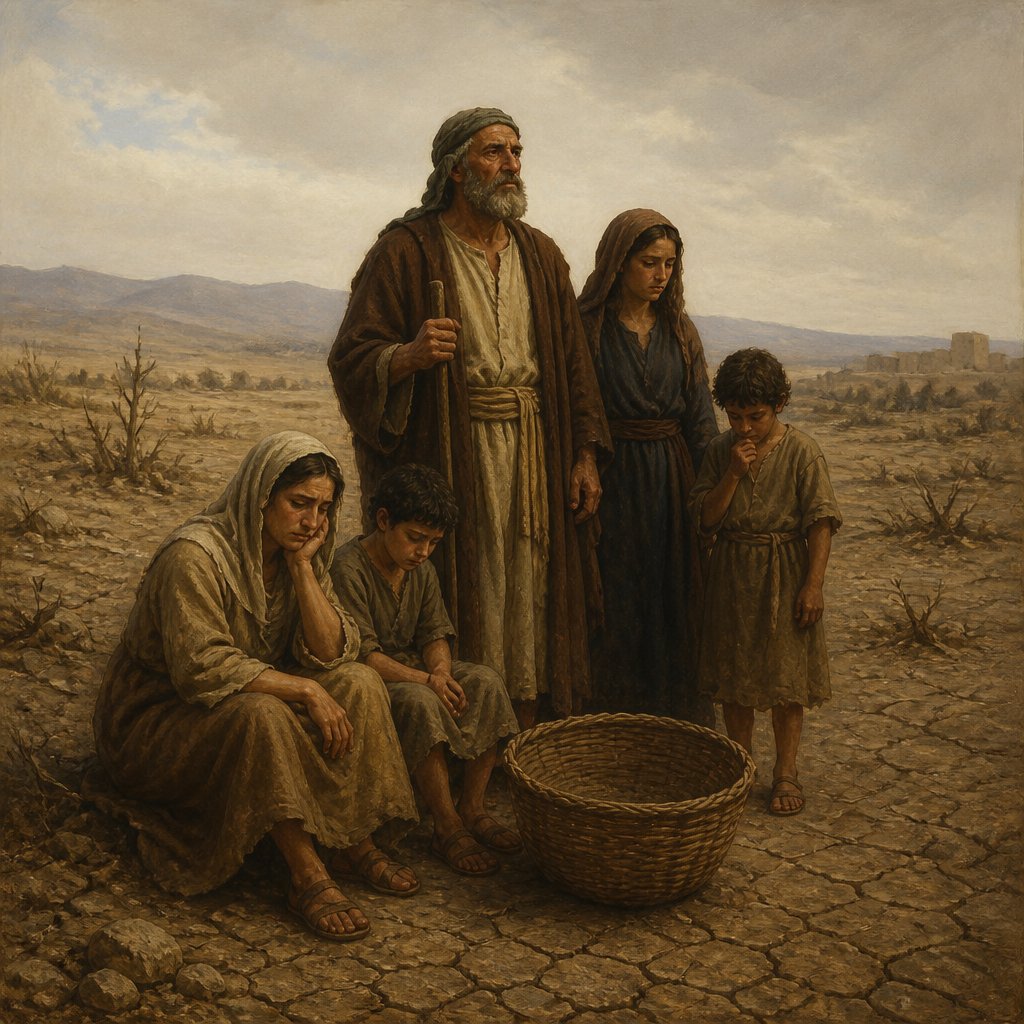
The verse Acts 7:11 in the King James Version of the Bible reads: "Now there came a dearth over all the land of Egypt and Canaan, and great affliction: and our fathers found no sustenance."
This verse comes from the book of Acts, which is the fifth book of the New Testament and is attributed to Luke, the companion of the Apostle Paul. The book of Acts documents the early development of the Christian church and the spread of the Gospel message to the Roman world. The passage in Acts 7:11 is part of a speech delivered by Stephen, one of the first Christian martyrs, to the Sanhedrin, the supreme council of the Jews. Stephen's speech recounts the history of the Jewish people, from the time of Abraham to the time of Jesus.
The verse begins by describing a "dearth" (famine) that affected both Egypt and Canaan. In this context, Egypt and Canaan represent the known world at the time. The mention of a famine serves as a reminder of the many trials and tribulations that the people of God faced throughout their history. It also highlights the sovereignty of God over all circumstances, including natural disasters such as famines.
The verse goes on to describe "great affliction" that accompanied the famine. This language emphasizes the severity of the suffering experienced by the people in both Egypt and Canaan. The mention of affliction is a recurring theme throughout the Bible, serving as a reminder that God's people are not exempt from hardship and struggle. However, it also highlights the faithfulness of God in the midst of suffering and the ultimate deliverance He provides.
The latter part of the verse states, "and our fathers found no sustenance." The reference to "our fathers" underscores the connection to the historical narrative of the Jewish people and their ancestors. It is a reminder of the continuity of God's plan throughout history, as well as the faithfulness of past generations in the face of adversity. The mention of "no sustenance" highlights the desperation and helplessness of the people in the midst of the famine, underscoring their need for intervention and provision from God.
In a broader sense, this verse serves to illustrate the cyclical nature of history and the recurring themes of suffering, deliverance, and dependence on God. It is a reminder that the Christian faith is rooted in history and that the trials and triumphs of past generations continue to inform and shape the present. It also underscores the importance of remembering and learning from the experiences of those who have gone before us.
The verse also points to the sovereignty of God in orchestrating events for His purposes. The famine in Egypt and Canaan was not just a random occurrence, but a part of God's larger plan for His people. It serves as a foreshadowing of the role that Egypt would play in the history of Israel, particularly in the story of Joseph and the Exodus.
In terms of symbolism, the famine can be seen as a representation of the spiritual hunger and deprivation that exists in the world. It serves as a metaphor for the human condition apart from God, highlighting the need for sustenance and nourishment that can only be found in Him. The great affliction serves as a reminder of the universal nature of suffering and the need for redemption and deliverance.
Overall, Acts 7:11 is a verse that encapsulates many of the central themes of the Bible, including the sovereignty of God, the faithfulness of His people, and the cyclical nature of history. It serves as both a historical account and a timeless reminder of the spiritual truths that continue to resonate with believers today.
Have questions about Acts 7:11?
Dive deeper into this scripture with Bible Chat — an AI-powered tool for exploring God's Word through conversation. Ask questions, get context, and grow in your understanding of the Bible.
Get Our Apps


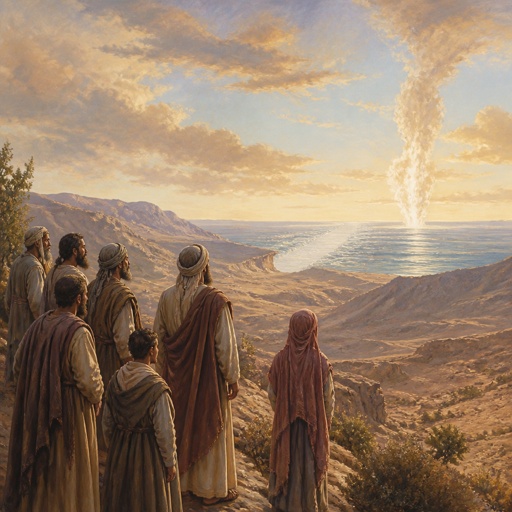
Acts 7:11 Artwork
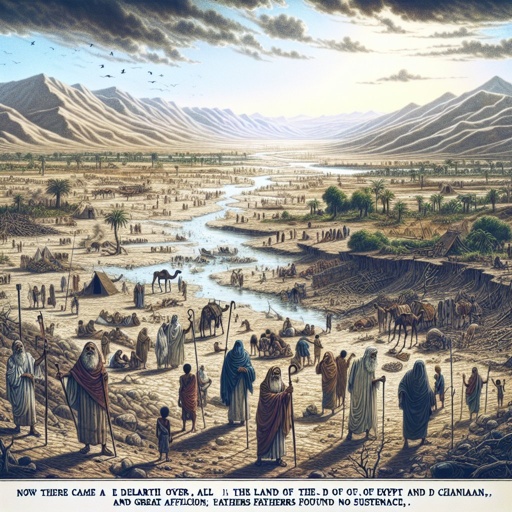
Acts 7:11 - "Now there came a dearth over all the land of Egypt and Chanaan, and great affliction: and our fathers found no sustenance."
"Now there came a dearth over all the land of Egypt and Chanaan, and great affliction: and our fathers found no sustenance." - Acts 7:11

Acts 11:7 - "And I heard a voice saying unto me, Arise, Peter; slay and eat."

Deuteronomy 11:7 - "But your eyes have seen all the great acts of the LORD which he did."

Psalm 24:7-11
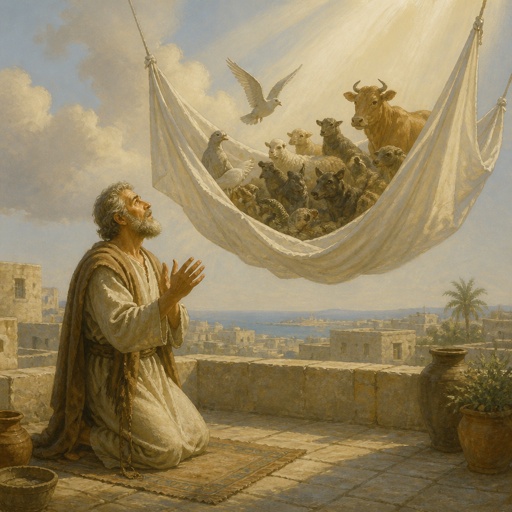
"And I heard a voice saying unto me, Arise, Peter; slay and eat." - Acts 11:7
"But your eyes have seen all the great acts of the LORD which he did." - Deuteronomy 11:7

Acts 20:11

Acts 11:2

Acts 11:2

Acts 19: 11

Acts 19:11

acts 3 11

Acts 11:2

Acts 3:6-7

Acts 3:6-7

Acts 3:6-7

Acts 3:6-7

Acts 3:6-7

1 Kings 11:41 - "¶ And the rest of the acts of Solomon, and all that he did, and his wisdom, are they not written in the book of the acts of Solomon?"

Acts 1:1-11

Acts 1:1-11

Acts 14:7 - "And there they preached the gospel."

acts 20:7-12

Acts 11:25 - "Then departed Barnabas to Tarsus, for to seek Saul:"

Acts 7:47 - "But Solomon built him an house."

Acts 19:11 - "And God wrought special miracles by the hands of Paul:"

Acts 7:1 - "Then said the high priest, Are these things so?"

Acts 19:7 - "And all the men were about twelve."

Acts 11:11 - "And, behold, immediately there were three men already come unto the house where I was, sent from Caesarea unto me."