What does Acts 4:34 mean?
"Neither was there any among them that lacked: for as many as were possessors of lands or houses sold them, and brought the prices of the things that were sold," - Acts 4:34
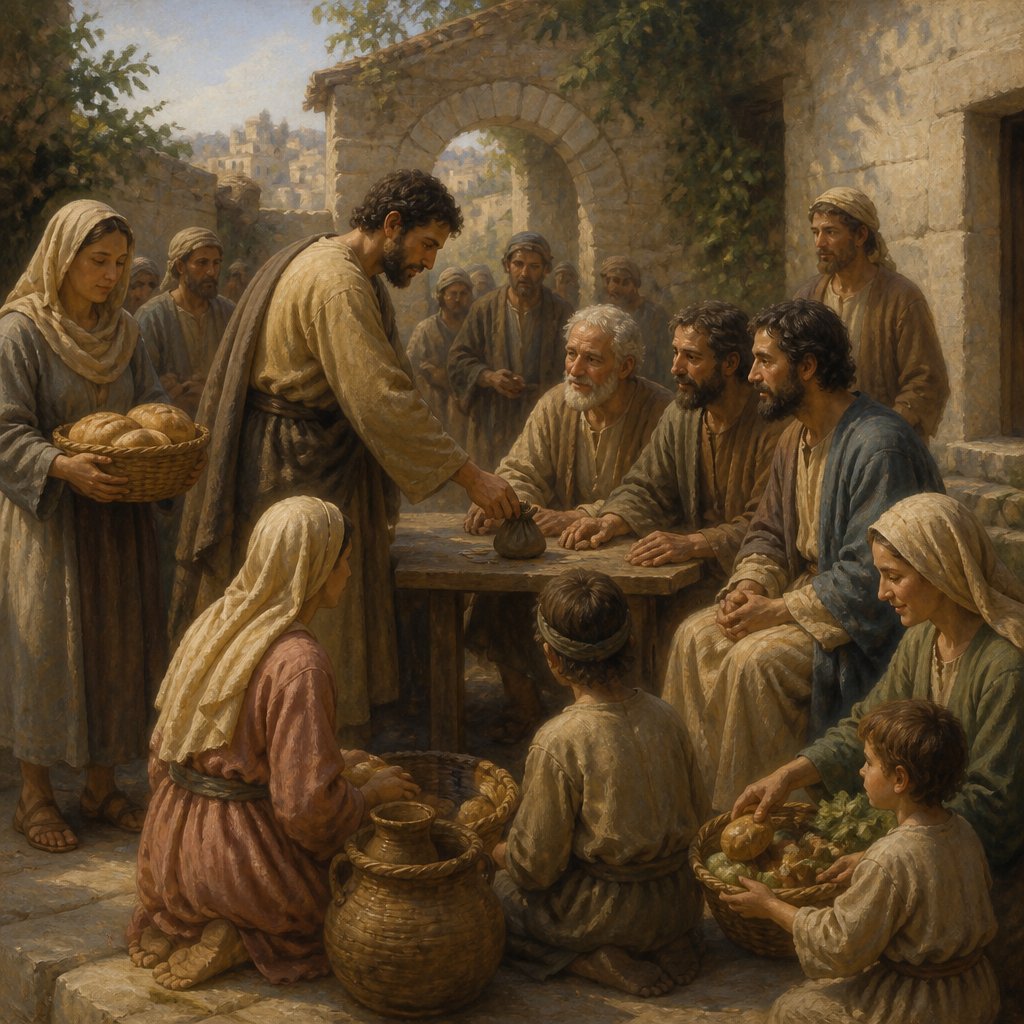
The Bible verse Acts 4:34 from the King James Version (KJV) reads: "Neither was there any among them that lacked: for as many as were possessors of lands or houses sold them, and brought the prices of the things that were sold."
This verse is part of the larger narrative in the book of Acts that describes the early Christian community in Jerusalem. The followers of Jesus were united in their love for one another and were committed to living in community, sharing their possessions and resources with one another. This verse reflects the high level of unity and generosity present among the early Christians.
The verse begins with the statement "Neither was there any among them that lacked," indicating that there was no one in the Christian community who was in need. This implies that the believers were willing to sacrifice their own material possessions in order to ensure that everyone had enough. This selfless attitude echoes the teachings of Jesus, who emphasized the importance of caring for those in need and sharing with others.
The verse goes on to describe how those who owned land or houses were willing to sell them and contribute the proceeds to the community fund. This act of selling property and donating the proceeds was not a requirement, but rather a voluntary expression of love and generosity. The early Christians saw their material possessions as a means of providing for the needs of others, rather than as a source of personal wealth or security.
This verse serves as a powerful example of the Christian virtue of generosity and selflessness. It highlights the importance of caring for others and being willing to make sacrifices in order to meet the needs of the community. It also emphasizes the value of community and the idea that individual possessions are meant to be used for the benefit of all, rather than hoarded for personal gain.
The context of this verse is important to understanding its significance. In the preceding verses, Acts 4:32-33, it is mentioned that the early believers were of one heart and soul, and that they shared everything they had. This sets the stage for the description of their selfless generosity in Acts 4:34. The early Christians lived in a spirit of unity and mutual support, and their willingness to share their possessions was a natural outworking of this communal mindset.
The themes of unity, generosity, and community are central to this verse. It portrays a vision of a harmonious and caring community in which everyone's needs are met and no one is left lacking. This ideal of communal living and mutual support reflects the values and teachings of Jesus, who urged his followers to love one another and care for those in need.
The symbolism of this verse lies in the image of believers selling their land and houses and bringing the proceeds to the community. This act symbolizes a willingness to let go of material possessions and prioritize the needs of others. It also speaks to the idea of stewardship, or the responsible and generous use of resources for the benefit of others. The shared resources and communal living described in this verse symbolize a vision of a community that is built on love, trust, and mutual support.
In conclusion, Acts 4:34 from the King James Version portrays the early Christian community as a shining example of unity, generosity, and selflessness. The verse conveys a powerful vision of a community in which everyone's needs are met and no one is left lacking. It emphasizes the importance of caring for others and sharing with those in need, and it symbolizes a vision of communal living based on love and mutual support. This verse continues to be an inspiring example for believers today, challenging them to consider how they can live out the virtues of unity and generosity in their own lives and communities.
Have questions about Acts 4:34?
Dive deeper into this scripture with Bible Chat — an AI-powered tool for exploring God's Word through conversation. Ask questions, get context, and grow in your understanding of the Bible.
Get Our Apps


Acts 4:34 Artwork

Acts 4:34 - "Neither was there any among them that lacked: for as many as were possessors of lands or houses sold them, and brought the prices of the things that were sold,"
"Neither was there any among them that lacked: for as many as were possessors of lands or houses sold them, and brought the prices of the things that were sold," - Acts 4:34

Acts 4:34-37 - "For there were no needy persons among them. For from time to time those who owned lands or houses sold them, brought the money from the sales and put it at the apostles’ feet, and it was distributed to anyone who had need. Joseph, a Levite from Cyprus, whom the apostles called Barnabas (which means “son of encouragement”), sold a field he owned and brought the money and put it at the apostles’ feet."
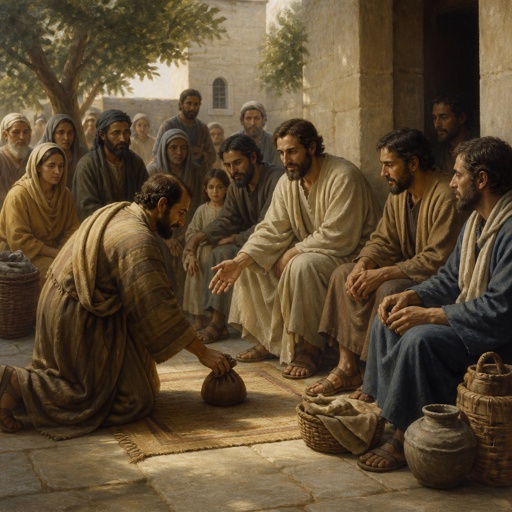
"For there were no needy persons among them. For from time to time those who owned lands or houses sold them, brought the money from the sales and put it at the apostles’ feet, and it was distributed to anyone who had need. Joseph, a Levite from Cyprus, whom the apostles called Barnabas (which means “son of encouragement”), sold a field he owned and brought the money and put it at the apostles’ feet." - Acts 4:34-37

Acts 15:34 - "Notwithstanding it pleased Silas to abide there still."

Acts 10:34 - "¶ Then Peter opened his mouth, and said, Of a truth I perceive that God is no respecter of persons:"

Psalm 34:4

Psalm 34:4

Psalm 34:4

Psalm 34:4

Psalm 34:4

Psalm 34:4

Psalm 34:4

Psalm 34:4

Psalm 34:4

Psalm 34:4

Psalm 34:4

Psalm 34:4

Psalm 34:4

Psalm 34:4

Psalm 34:4

Psalm 34:4

Psalm 34:4

Psalm 34:4

Psalm 34:4

Psalm 34:4

Psalm 34:4

Psalm 34:4

Psalm 34:4

Psalm 34:4