What does Acts 3:14 mean?
"But ye denied the Holy One and the Just, and desired a murderer to be granted unto you;" - Acts 3:14
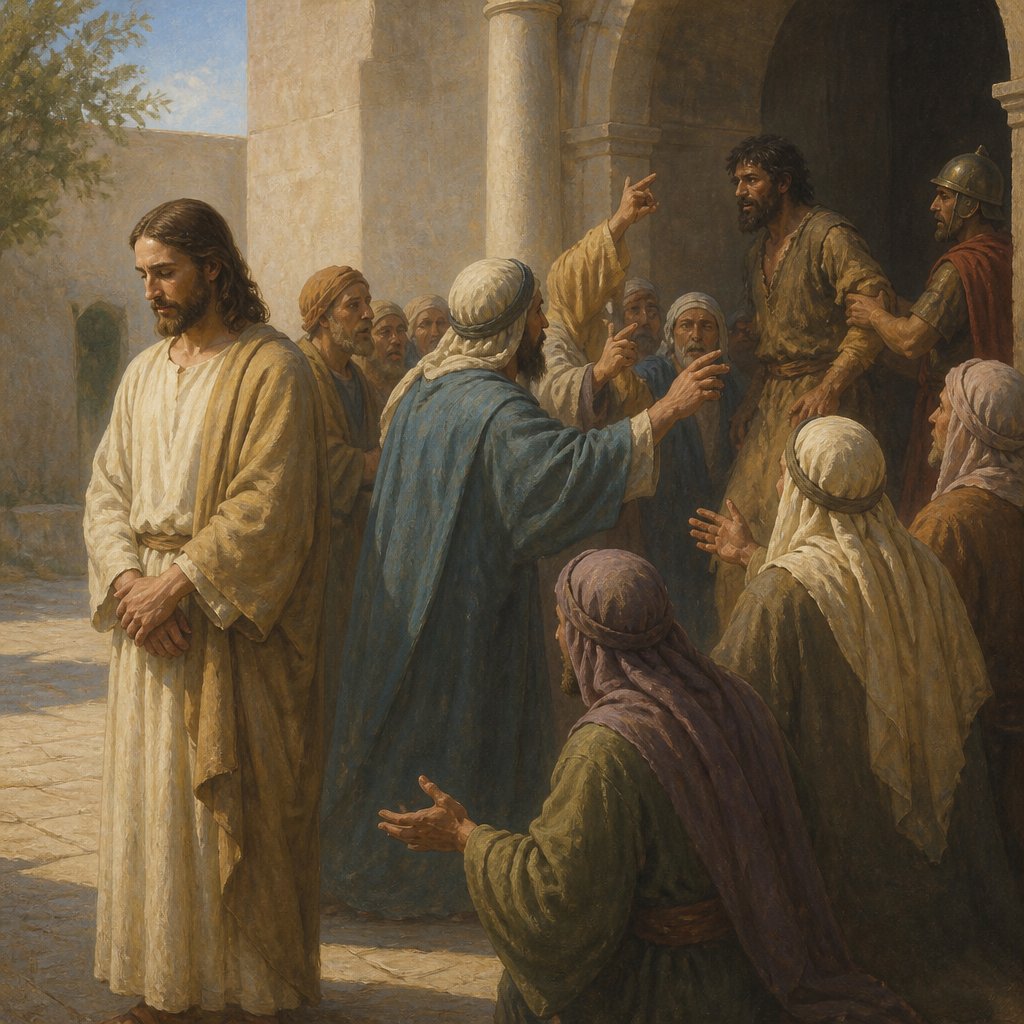
Acts 3:14 in the King James Version of the Bible reads, "But ye denied the Holy One and the Just, and desired a murderer to be granted unto you." This verse is part of a speech delivered by the apostle Peter to a crowd in Jerusalem following the healing of a lame man at the temple gate. In this verse, Peter is confronting the people with their rejection of Jesus Christ and their request for the release of Barabbas, a notorious criminal, instead.
The themes present in Acts 3:14 include the rejection of Jesus, the justice of God, and the importance of repentance. The context of the verse is crucial to understanding its full meaning. The book of Acts recounts the beginning of the early Christian church and the spread of the gospel message. Acts 3 specifically describes the miraculous healing of a man who had been lame from birth, which Peter and John, two of Jesus' disciples, performed in the name of Jesus. This event attracted a large crowd of people, providing Peter with the opportunity to address them and preach about Jesus Christ.
In Acts 3:14, Peter is addressing the crowd and reminding them of their rejection of Jesus. He refers to Jesus as "the Holy One and the Just," emphasizing the righteousness and innocence of Jesus. By using these titles, Peter highlights the contrast between Jesus and Barabbas, the criminal the crowd had chosen to be released instead of Jesus. This choice reflects the people's rejection of Jesus as the Messiah and the savior of the world.
The symbolism in this verse is profound. Jesus, as "the Holy One and the Just," represents divine purity and righteousness. In contrast, the choice of Barabbas, a murderer, symbolizes the darkness and sinfulness of humanity. The crowd's decision to exchange Jesus for Barabbas illustrates the rejection of God's grace and mercy in favor of a life of sin and destruction. This symbolism serves as a powerful reminder of the consequences of rejecting Jesus and choosing to embrace evil.
The verse also highlights the justice of God. Despite the crowd's rejection of Jesus, God's plan for redemption and salvation continued to unfold. Through the death and resurrection of Jesus, God's justice and mercy were fully displayed. This demonstrates the overarching theme of God's sovereignty and His ability to bring about good even in the midst of human sin and rejection.
Furthermore, Acts 3:14 emphasizes the necessity of repentance. Peter's words are meant to awaken the crowd to the gravity of their actions and to call them to turn away from their sin and turn towards Jesus. Their rejection of Jesus was not the end of the story; there was still an opportunity for them to repent and embrace the forgiveness and salvation offered through Jesus Christ.
In conclusion, Acts 3:14 in the King James Version of the Bible carries significant meaning and depth. It serves as a powerful reminder of the rejection of Jesus, the justice of God, and the importance of repentance. The context of Peter's speech, the symbolism of Jesus and Barabbas, and the overarching themes of the verse all contribute to its rich and profound message. As we reflect on this verse, may we be reminded of the consequences of rejecting Jesus and the urgency of turning to Him in repentance and faith.
Have questions about Acts 3:14?
Dive deeper into this scripture with Bible Chat — an AI-powered tool for exploring God's Word through conversation. Ask questions, get context, and grow in your understanding of the Bible.
Get Our Apps


Acts 3:14 Artwork

Acts 3:14 - "But ye denied the Holy One and the Just, and desired a murderer to be granted unto you;"
"But ye denied the Holy One and the Just, and desired a murderer to be granted unto you;" - Acts 3:14

Acts 14:3 - "Long time therefore abode they speaking boldly in the Lord, which gave testimony unto the word of his grace, and granted signs and wonders to be done by their hands."

Acts 14:17

Acts 14:7 - "And there they preached the gospel."

Acts 3:16

Acts 3:16

Acts 3:16

Acts 3:16

Acts 14:28 - "And there they abode long time with the disciples."

Acts 3:6-7

Acts 3:6-7

Acts 3:6-7

Acts 3:6-7

Acts 3:6-7

Acts 14:14 - "Which when the apostles, Barnabas and Paul, heard of, they rent their clothes, and ran in among the people, crying out,"

acts 3 11

Acts 2;2-3

"And there they preached the gospel." - Acts 14:7

Acts 2:3

Acts 3:3 - "Who seeing Peter and John about to go into the temple asked an alms."

Acts 14:24 - "And after they had passed throughout Pisidia, they came to Pamphylia."

Depict the events of Acts 19:14-17

Acts 2:2-3

Acts 2:2-3

Acts 14:25 - "And when they had preached the word in Perga, they went down into Attalia:"

Acts 27:14 - "But not long after there arose against it a tempestuous wind, called Euroclydon."

Acts 14:4 - "But the multitude of the city was divided: and part held with the Jews, and part with the apostles."

Acts 14:16 - "Who in times past suffered all nations to walk in their own ways."

Acts 14:18 - "And with these sayings scarce restrained they the people, that they had not done sacrifice unto them."